Neutral
AI
Baca 30 saat
- •Pertempuran Edgehill berlangsung pada 23 Oktober 1642 dan merupakan pertarungan pertama besar dalam Perang Saudara Inggeris.
- •Pertempuran ini melibatkan pasukan Raja Charles I dan Parlemen yang dipimpin oleh Earl of Essex, tetapi berakhir tanpa kemenangan tegas.
- •Konflik ini muncul dari ketegangan politik, keagamaan, dan ekonomi yang telah lama tertumpuk di bawah pemerintahan Charles I.
Kandungan Ditaja (Sponsored)
1642: Battle of Edgehill – First Battle of the English Civil War. The Battle of Edgehill, which took place on 23 October 1642 near Kineton, Warwickshire, marked the first major engagement of the English Civil War. Led by King Charles I and his royalist forces, and by Parliament led by the Earl of Essex, the battle ended without a decisive victory for either side. Although it did not produce a clear outcome, the battle reinforced the growing political and military pressure between both sides and served as a turning point for a conflict that would continue for years to come.. 1642: Battle of Edgehill – First Battle of the English Civil War
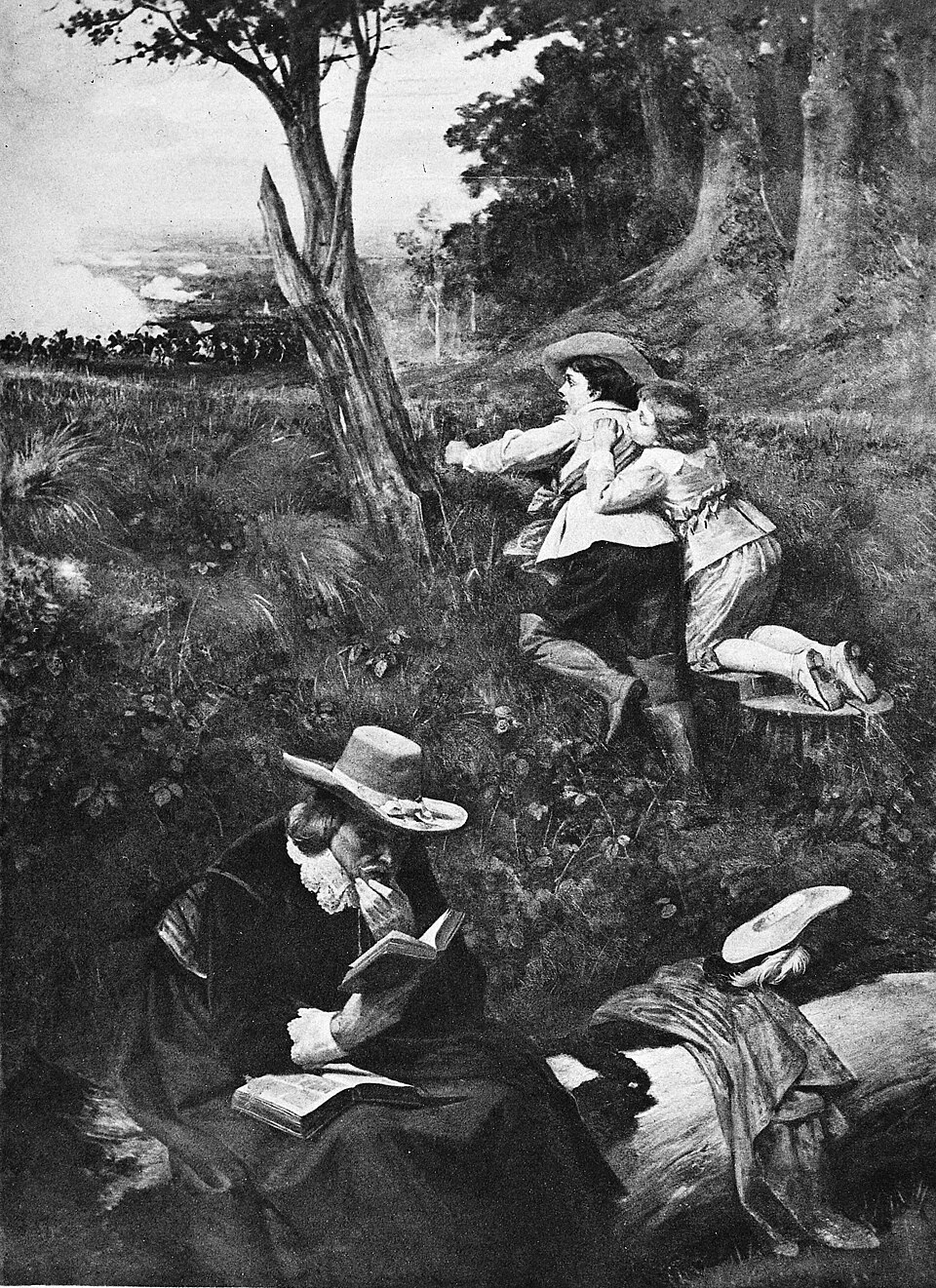
On Sunday, 23 October 1642, the battlefield briefly divided England when two hostile forces met along a small hill in the Edge Hill valley, near Kineton, in southern Warwickshire. The Battle of Edgehill was the first major engagement of the English Civil War, a conflict that arose from long-simmering political, religious, and economic tensions under the rule of King Charles I. Although there was no decisive victory, the battle became an important symbol of the growing tension between the monarchy and Parliament, and opened a longer and more tragic chapter in English history.
Background That Triggered the Conflict
Tensions between Charles I and Parliament had developed since the early 17th century, but reached their peak when the King refused to cooperate with a Parliament dominated by the Puritan Party known as Parliamentary Forces . In 1642, after a series of diplomatic failures and unresolved decisions, Charles decided to declare open war. Parliament, feeling it had no choice but to defend its rights, also prepared for armed conflict. In September 1642, Charles had declared war by signing a document that formally authorized Parliament to defend its independence and rights. This became the direct trigger for both sides to begin gathering troops and planning military strategy.
Key Figures in the Battle
On the King's side, Charles I himself was at the front line of the battle, although he was not directly involved in physical fighting. He was supported by courtiers such as the Duke of Strafford and the Duke of Newcastle, who believed that military strength and noble support would be enough to subdue Parliament's forces. On the other hand, the Earl of Essex, a former general known for his wisdom, was chosen to lead Parliament's forces. Essex was an important figure because of his ability to organize scattered troops and give them better discipline. Both leaders represented a deep philosophical difference about the role of the monarchy, citizens' rights, and the influence of the church in governance.
Battle Dynamics and Outcome
The Battle of Edgehill lasted a full day and involved around 10,000 troops from both sides. The King's forces, which consisted more of traditional troops equipped with firearms and sharp weapons, attempted to attack the left flank of Parliament's forces. However, Parliament's forces led by Essex managed to hold their position despite intense pressure. Eventually, when the sun set, both sides decided to retreat, marking the end of the battle without a clear victory. The battle showed the logistical and coordination weaknesses of both sides, as well as the importance of discipline and high motivation in determining the outcome of armed conflict.
Long-term Impact and Historical Legacy
Although Edgehill did not produce a decisive result, the battle had a profound impact on the course of the English Civil War. It showed that the conflict would not end quickly and that both sides had to prepare for a longer and more intense total war. In the following years, the war would claim more lives and resources, and culminate in the overthrow and execution of Charles I in 1649. The Battle of Edgehill also became an important lesson about the importance of initiative, public support, and integrated military capability in determining the outcome of a civil war. To this day, the battle is remembered as a turning point marking the beginning of an era of instability that would change the structure of English governance forever.
Source: Wikipedia — https://en.wikipedia.org/wiki/Battle of Edgehill License: CC BY-SA 4.0
Tags:
#perang saudara inggeris#sejarah#Earl of Essex#1642#parlemen+3 lagi#charles i#pertempuran edgehill#Charles I
perang saudara inggeris, sejarah, Earl of Essex, 1642, parlemen, charles i, pertempuran edgehill, Charles I