Introduction: Understanding the Silent Enemy in Joints
Imagine a rusty door hinge that creaks every time it opens. That is the closest analogy to describe what happens in the joints of someone suffering from arthritis. Medically, arthritis is a general term for more than 100 conditions that affect the joints and surrounding tissues. Essentially, it involves the loss of the smooth cartilage layer, causing bones to rub against each other—a painful and damaging process. According to the World Health Organization (WHO), more than 350 million people worldwide live with arthritis, making it one of the leading causes of long-term disability.
Healthy Joint Anatomy vs. Arthritic Joints
Healthy joints have a cartilage layer that acts as a cushion and lubricant. This cartilage allows bones to move smoothly without friction. In arthritis, this cartilage wears away or is destroyed by the immune system. When cartilage is lost, bones become exposed and start to rub. This triggers inflammation, swelling, and pain often described as 'sharp thorns' within the joints. Additionally, synovial fluid—which functions as a lubricating oil—can also become inflamed, adding to the discomfort.
Most Common Types of Arthritis
Osteoarthritis: An Inevitable Consequence of Joint Aging?
Osteoarthritis (OA) is the most common form of arthritis, often associated with the aging process. It usually affects weight-bearing joints such as the knees, hips, spine, and fingers. In OA, cartilage gradually wears away, and the body tries to repair it by growing bone spurs, which actually cause more pain. Risk factors include age, obesity, past joint injuries, and genetics. Interestingly, OA is not necessarily a 'disease of the elderly'; athletes who frequently suffer joint injuries are also at high risk.
Rheumatoid Arthritis: When the Immune System Becomes a Betrayer
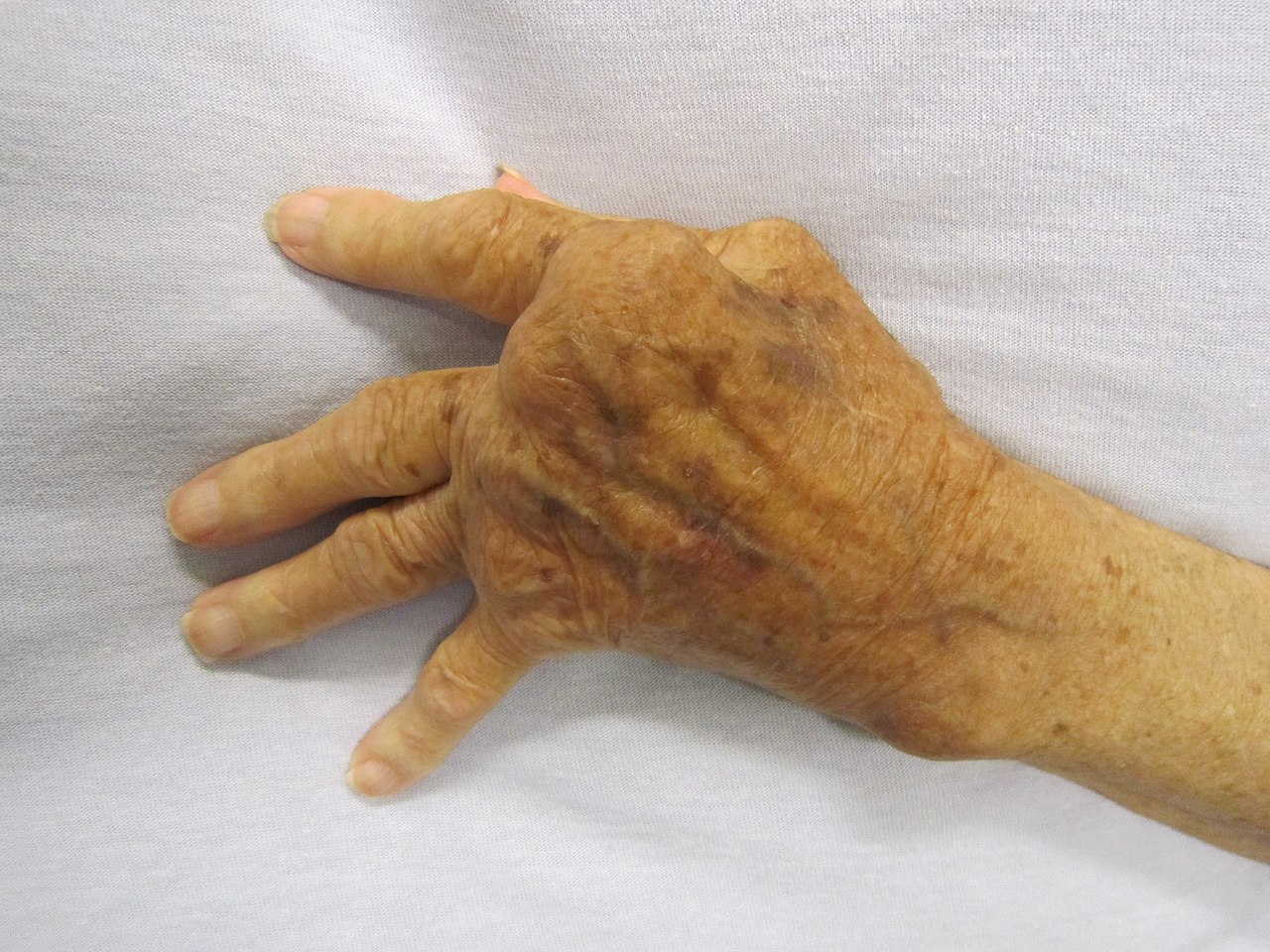
Unlike OA, which is mechanical, rheumatoid arthritis (RA) is an autoimmune disease. The immune system, which should fight viruses and bacteria, mistakenly identifies joint tissue as an enemy and attacks it. This attack causes chronic inflammation in the synovial lining, which can eventually damage cartilage and bone. RA often attacks small joints in the hands and feet symmetrically—if the right hand hurts, the left hand will too. Other symptoms include fatigue, low-grade fever, and sometimes small lumps under the skin (rheumatoid nodules). RA is more common in women and can appear in young adults, between the ages of 30 and 50.
Gout: Sudden and Painful Attacks
Gout is a type of arthritis caused by the accumulation of uric acid crystals in the joints. Uric acid is produced when purines—substances found in red meat, seafood, and alcohol—are broken down. When the kidneys fail to efficiently excrete uric acid, sharp needle-like crystals form in the joints, usually in the big toe. Gout attacks are extremely painful, with the joint becoming red, swollen, and hot, often starting in the middle of the night. Although gout can be treated with medication and dietary changes, it can become chronic if not controlled.
Other Types: Lupus, Psoriatic Arthritis, and Septic Arthritis
Lupus is an autoimmune disease that can affect the skin, joints, and internal organs. Psoriatic arthritis is associated with psoriasis of the skin. The most severe is septic arthritis—an infection in the joint that requires immediate antibiotic treatment to prevent permanent damage. Each type of arthritis has different mechanisms and treatment approaches.
Symptoms: More Than Just Joint Pain
The symptoms of arthritis depend on the type and severity, but the most common ones include:
- Persistent or intermittent joint pain
- Stiffness, especially in the morning or after rest
- Swelling, redness, and a feeling of heat around the joint
- Reduced range of motion—difficulty bending the knee or gripping objects
- Fatigue and a general feeling of illness (especially in RA)
Interestingly, arthritis can also affect other organs. For example, RA can cause lung or blood vessel inflammation, while lupus can affect the kidneys.
Risk Factors and Who Is Most at Risk?
Arthritis does not discriminate, but certain factors increase the risk:
- Age: The older you get, the higher the risk of OA.
- Gender: Women are more likely to develop RA, while men are more likely to develop gout.
- Genetics: A family history increases the risk.
- Obesity: Excess weight puts additional pressure on the joints, especially the knees and hips.
- Past Injuries: Sports injuries or accidents can accelerate OA.
- Infections: Certain bacteria or viruses can trigger arthritis.
Treatment and Management: Not Just Painkillers
Arthritis treatment aims to reduce pain, slow joint damage, and improve quality of life. The approach is usually holistic.
Conservative Measures
- Rest and moderate activity: Rest the inflamed joints, but do not let them stiffen. Light exercises like swimming or cycling help maintain flexibility.
- Heat and cold therapy: Ice reduces swelling; heat relieves muscle spasms.
- Weight loss: Every kilogram lost reduces four kilograms of pressure on the knee.
- Anti-inflammatory diet: Foods rich in omega-3 (salmon, sardines), fruits, vegetables, and reduce sugar and saturated fats.
Medications
- Nonsteroidal anti-inflammatory drugs (NSAIDs): Such as ibuprofen to relieve pain and inflammation.
- Corticosteroids: Injections or oral for severe inflammation.
- Disease-Modifying Antirheumatic Drugs (DMARDs): For RA, such as methotrexate, which alters the course of the disease.
- Biologics: Modern drugs that target specific parts of the immune system.
Surgery
When other treatments fail, surgery such as joint replacement (hip replacement, knee replacement) can be the last option. This procedure is highly effective in restoring mobility and reducing pain.
Living with Arthritis: Not the End of the Road
For many, an arthritis diagnosis feels like a slap in the face. However, with proper management, many patients continue to lead active and meaningful lives. Family support, patient groups, and psychological counseling are very helpful. Small lifestyle changes—such as using assistive devices, choosing comfortable chairs, or practicing stretching exercises—can make a big difference.
Reflection: Are We Taking Care of Our Joints Today?
Arthritis reminds us that the body is not a machine that can work nonstop. Every step, every handshake, is a gift we often take for granted. Perhaps it's time to ask: am I taking good care of my joints? Is my weight ideal? Am I being active in a safe way? The answers to these questions may determine whether we will face arthritis in our old age or not.
Conclusion
Arthritis is a complex but manageable condition. Understanding the type, causes, and treatment options is the first step in controlling it. With modern medical advances and smart lifestyle changes, arthritis patients do not need to lose hope. Remember, healthy joints are the key to an active and free life.
Source: Wikipedia — Arthritis
*Rujukan: [Arthritis — Wikipedia](https://en.wikipedia.org/wiki/Arthritis)*