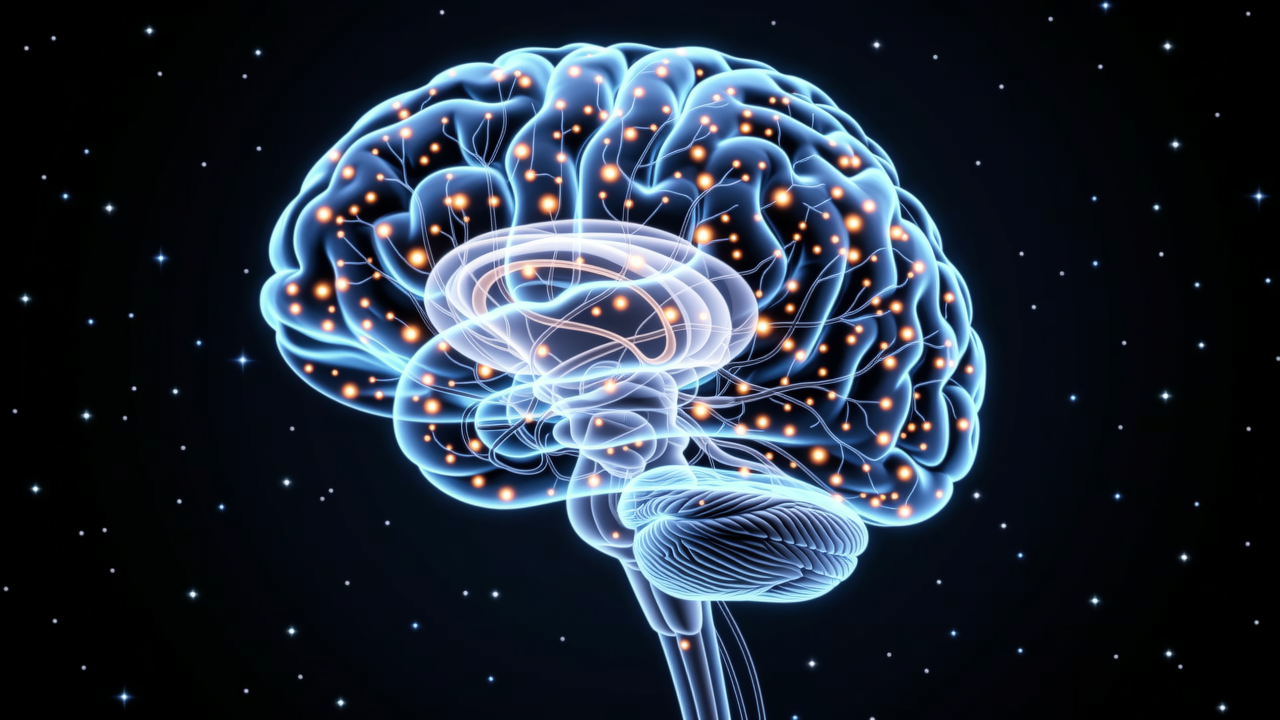
The human brain is the most complex object known in the universe. Although it weighs about 1.4 kilograms — roughly 2% of a person's body weight — it contains approximately 86 billion neurons. This number is surprisingly equivalent to the estimated number of stars in our Milky Way galaxy.
However, the number of neurons is only a small part of the story. Each neuron can form between 1,000 to 10,000 connections (synapses) with other neurons. This means the total number of connections in the human brain can reach 100 trillion — a number far exceeding the number of stars in the observable universe.
The complexity of the brain is not just in the number of connections, but in the dynamic nature of those connections. Synapses can be strengthened or weakened based on experience and learning — a process called synaptic plasticity, which is the biological basis for memory and learning. The active brain literally forms new connections.
The human brain is also an extremely disproportionate consumer of energy. Although it makes up only 2% of body weight, the brain uses about 20% of the energy used by the body. This energy is used to maintain neuronal membrane electrical potential, transmit electrical signals, and carry out neurotransmitter chemical processes that allow communication between neurons.
🔬 Science Facts #9: The Number of Neurons in the Human Brain Is Equivalent to the Stars in the Milky Way Galaxy. The human brain contains approximately 86 billion neurons, each connected to thousands of other neurons, creating a network whose complexity can rival the cosmos itself.. The human brain is the most complex object known in the universe. Although it weighs about 1.4 kilograms — roughly 2% of a person's body weight — it contains approximately 86 billion neurons. This number is surprisingly equivalent to the estimated number of stars in our Milky Way galaxy.
However, the number of neurons is only a small part of the story. Each neuron can form between 1,000 to 10,000 connections synapses with other neurons. This means the total number of connections in the human brain can reach 100 trillion — a number far exceeding the number of stars in the observable universe.
The complexity of the brain is not just in the number of connections, but in the dynamic nature of those connections. Synapses can be strengthened or weakened based on experience and learning — a process called synaptic plasticity, which is the biological basis for memory and learning. The active brain literally forms new connections.
The human brain is also an extremely disproportionate consumer of energy. Although it makes up only 2% of body weight, the brain uses about 20% of the energy used by the body. This energy is used to maintain neuronal membrane electrical potential, transmit electrical signals, and carry out neurotransmitter chemical processes that allow communication between neurons.