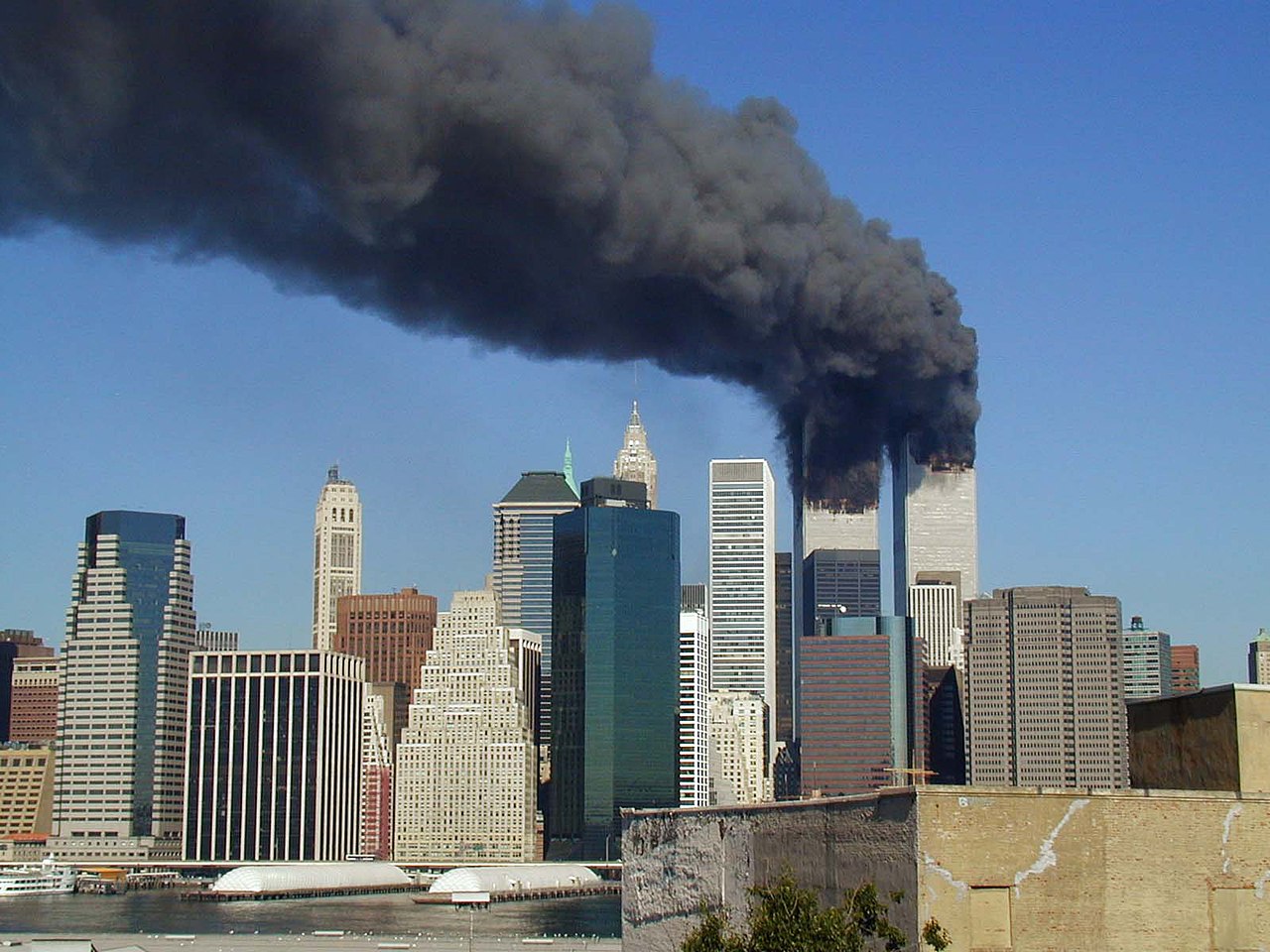
Origin of the Term and Evolution of the Meaning of 'Terrorism'
The term 'terrorism' first appeared formally during the French Revolution in the late 18th century, particularly in the context of *la Terreur* (the Terror), where revolutionary governments used mass executions of 'enemies of the people' to establish power. At that time, 'terror' was not an act of underground groups, but a state tool — an irony still relevant in today's academic discussions. However, the meaning of the term has drastically changed since the 20th century, especially after World War II and the decolonization era. Armed groups such as the FLN (National Liberation Front) in Algeria or the PLO (Palestine Liberation Organization) in the Middle East began to be associated with terrorism by Western countries when they attacked civilian targets outside conventional battlefields. This marked a shift from terror as a state instrument to terror as a tactic used by various non-state actors.
Definitions That Have Never Been Fully Agreed Upon
To date, there is no universal definition of terrorism accepted by all United Nations member states. Of the 193 member states, each has its own definition in domestic law — some emphasize 'civilian targets,' others require 'political intent,' and some include the element of 'violence against the state.' For example, Malaysian law (the Internal Security Act 1960 and the Prevention of Terrorism Act 2015) defines terrorism as actions aimed at inciting widespread fear or forcing the government through violence against lives or property. In contrast, Russian law is broader: it includes activities that 'threaten public safety' even without direct physical violence. This lack of uniformity is not just a linguistic issue — it reflects differences in ideology, colonial history, and geopolitical interests.
Strategic Tactics: Why Public Places Are Primary Targets?
Modern terrorism tactics are not chosen by chance. Open spaces such as train stations in Madrid (2004), airports in Brussels (2016), or night markets in Nice (2016) are selected not only because they are easily accessible, but also because of their symbolic value and high psychological impact. Attacks in these places do not only kill; they disrupt daily routines, damage perceptions of safety, and lead to long-term policy changes — such as stricter border controls or stronger anti-terrorism laws. A study by Leiden University (2019) showed that attacks in public spaces increased public trust in the need for digital surveillance by 37% within three months of the incident. This proves that terrorism successfully achieves one of its main objectives: changing social behavior without firing a single bullet.
Long-Term Impact: Beyond Physical Victims
The effects of terrorism extend far beyond the number of injured and killed. It causes changes in the urban landscape: construction of concrete barriers in city centers, reduction of pedestrian areas in tourist zones, and introduction of AI-based surveillance systems in major cities like London and Tokyo. Economically, the tourism industry in countries such as Tunisia and Egypt experienced a sudden decline after coastal attacks in 2015–2016 — revenue dropped by up to 40% within a year. Psychologically, certain minority communities often experience 'secondary terrorism': systematic discrimination, racial profiling, and excessive surveillance by security agencies. This phenomenon has been documented in a report by the UN Special Rapporteur on Counter-Terrorism and Human Rights (2021), which emphasized that counter-terrorism measures sometimes create new forms of fear that are equally destructive.
Reflective Questions: Where Is the Line Between Resistance and Terrorism?
When armed groups attack enemy military bases, it is usually called 'battle.' But when the same attack is carried out against a military headquarters located in a densely populated area — and results in civilian casualties — does it become terrorism? How do we assess movements such as the ANC (African National Congress) in South Africa, which was once classified as a terrorist organization by the apartheid government, but is now respected as a democracy pioneer? These questions have no easy answers, but they remind us that the label 'terrorist' is not just a forensic fact — it is a political construct influenced by power, media narratives, and historical position. Critically understanding terrorism means not only looking at what is done, but also who has the power to name it — and why.
Future Threats: From Bombs to Disinformation
Although armed attacks remain dominant, new forms of terrorism are emerging: cyberterrorism, micro-biological terrorism, and cognitive terrorism — the manipulation of information to divide society. Cyberattacks on water systems in American cities in 2021 or the spread of fake videos (deepfakes) causing unrest in India in 2023 are examples of evolving threats. Here, the weapon is no longer bombs or guns, but algorithms and narratives. To address this, international cooperation must go beyond intelligence data exchange — it must include technology ethics standards, media literacy, and continuous intercultural dialogue. Because ultimately, terrorism cannot be destroyed only by gunfire or laws. It can only be reduced through a deeper understanding of its root causes — structural injustice, lack of political voice, and systemic failure to provide truly inclusive safety.
*Rujukan: [Terrorism — Wikipedia](https://en.wikipedia.org/wiki/Terrorism)*