Pengenalan
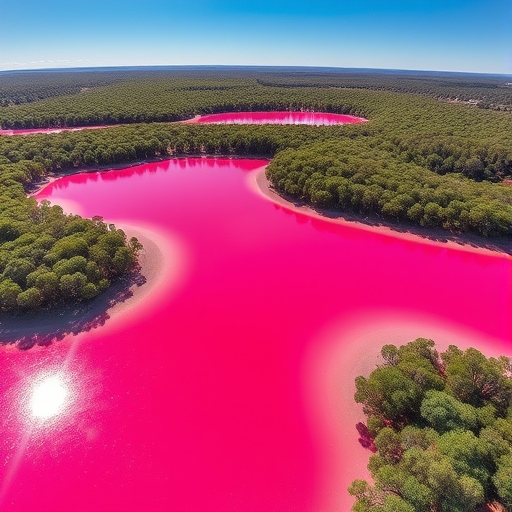
Lake Hillier, sebuah tasik kecil seluas kira-kira 600 meter persegi yang terletak di Pulau Middle, Western Australia, telah menjadi ikon visual bagi pencinta alam semula jadi di seluruh dunia. Warna merah jambu yang menawan tidak memerlukan penambah warna buatan; ia muncul secara semulajadi, menjadikan tasik ini satu fenomena geokimia yang jarang ditemui. Artikel ini mengupas secara mendalam mengapa air tasik ini berwarna merah jambu, mengapa warna tersebut tidak pudar apabila air dipindahkan ke botol, dan menegaskan bahawa tasik ini
sepenuhnya selamat untuk berswim.
Asal Usul Warna Merah Jambu: Alga Dunaliella salina & Halobacteria
Dunaliella salina
Alga mikroskopik
Dunaliella salina merupakan komponen utama dalam penciptaan warna merah jambu Lake Hillier. Alga ini mampu bertahan dalam persekitaran yang sangat masin, dengan kadar garam sehingga 30% — jauh lebih tinggi daripada air laut biasa. Dalam keadaan stress osmotik, alga ini menghasilkan
karotenoid (beta‑karoten) sebagai mekanisme perlindungan radikal bebas. Karotenoid berwarna kuning‑oranye, namun apabila dicampur dengan pigmen lain, menghasilkan rona merah jambu yang kelihatan pada permukaan air.
Halobacteria (Archaea)
Selain alga,
halobacteria — sejenis mikroorganisma arkea yang juga meminati persekitaran berasid tinggi dan garam melimpah — menyumbang kepada warna tasik. Halobacteria menghasilkan
bacteriorhodopsin, pigmen berwarna merah yang berfungsi sebagai fotopigmen dalam proses penangkapan cahaya. Kehadiran bacteriorhodopsin dalam populasi mikroba yang melimpah di tasik menambahkan lapisan merah pada spektrum warna, menghasilkan gabungan merah jambu yang intens.
Mengapa Warna Tetap Meskipun Air Dipindahkan ke Botol?
Fenomena menakjubkan ialah apabila air tasik diambil dan dibotolkan, ia masih mengekalkan warna merah jambu yang pekat. Ini berlaku kerana
konsentrasi tinggi alga Dunaliella salina dan halobacteria tidak berubah walaupun dalam keadaan tertutup. Kedua‑dua organisma tersebut tidak memerlukan cahaya matahari secara langsung untuk mengekalkan pigmen; mereka tetap menghasilkan karotenoid dan bacteriorhodopsin dalam jangka masa yang lama. Oleh itu, apabila air dipindahkan ke bekas bersih, pigmen tetap berada dalam larutan, mengekalkan rona merah jambu yang sama seperti di tasik.
Selain itu, kandungan garam yang tinggi berfungsi sebagai medium penstabil. Garam menghalang degradasi pigmen oleh mikroorganisma lain atau enzim yang biasanya memecah pigmen dalam air tawar. Kesannya, warna tidak pudar, malah boleh bertahan berbulan‑bulan dalam keadaan sejuk dan gelap.
Keselamatan Berenang di Lake Hillier
Walaupun tasik berwarna merah jambu, ia
selamat untuk berswim. Berikut sebab‑sebabnya:
- Kebersihan Mikrobiologi – Walaupun mengandungi alga dan halobacteria, kedua‑duanya tidak berbahaya kepada manusia. Mereka tidak menghasilkan toksin yang boleh menyebabkan keracunan atau jangkitan kulit.
- Kadar Garam Tinggi – Tingkat garam yang sangat tinggi (sekitar 30%) menjadikan persekitaran tidak sesuai untuk pertumbuhan bakteria patogenik seperti E. coli atau Salmonella.
- Tidak Mengandungi Bahan Kimia Sintetis – Warna tasik dihasilkan secara semulajadi tanpa sebarang bahan kimia tambahan, menjadikannya tidak beracun.
Walau bagaimanapun, pengunjung disarankan untuk
mengelakkan masa pendedahan yang terlalu lama kerana garam yang tinggi boleh menyebabkan kulit kering atau iritasi pada individu yang sensitif. Penggunaan krim pelembap selepas berenang adalah langkah berjaga‑jaga yang wajar.
Kepentingan Penyelidikan dan Pelancongan
Lake Hillier bukan sekadar keindahan visual; tasik ini menjadi
makmal hidup bagi saintis yang mengkaji adaptasi mikroorganisma dalam persekitaran ekstrem. Kajian terhadap Dunaliella salina dan halobacteria memberi impak kepada bidang bioteknologi, terutamanya dalam penghasilan
beta‑karoten secara komersial serta pemahaman tentang mekanisme penyesuaian sel kepada tekanan osmotik.
Dari perspektif pelancongan, tasik ini menarik ribuan pelancong setiap tahun, menyumbang kepada ekonomi tempatan. Namun, pihak berkuasa menekankan pengurusan lestari — melarang aktiviti mencemari atau mengganggu ekosistem mikroba tasik.
Kesimpulan
Lake Hillier merupakan contoh
keajaiban alam yang bersatu dengan sains. Warna merah jambu yang menakjubkan dihasilkan oleh sinergi antara alga
Dunaliella salina dan halobacteria, diperkukuh oleh persekitaran garam tinggi. Warna ini tetap lestari walaupun air dipindahkan ke botol, menjadikannya satu fenomena unik dalam dunia geokimia. Dan yang paling penting, tasik ini
selamat untuk dinikmati, selagi pengunjung menghormati batasan alam. Dengan pemahaman yang lebih mendalam, Lake Hillier bukan sahaja menjadi tarikan fotogenik, malah satu sumber ilmu yang berharga untuk sains dan pelancongan lestari.
---
Artikel ini disusun oleh Redaksi Khatulistiwa, 2026.
Misteri Merah Jambu Lake Hillier: Keajaiban Alam Barat Australia yang Selamat untuk Dikenali. Lake Hillier di Australia Barat memukau dunia dengan warna merah jambu semulajadi yang menakjubkan. Artikel ini menelusuri penyebab saintifik warna uniknya, mengapa airnya tetap merah jambu walaupun dibotolkan, serta menegaskan keselamatan untuk berswim.. Pengenalan
Lake Hillier, sebuah tasik kecil seluas kira-kira 600 meter persegi yang terletak di Pulau Middle, Western Australia, telah menjadi ikon visual bagi pencinta alam semula jadi di seluruh dunia. Warna merah jambu yang menawan tidak memerlukan penambah warna buatan; ia muncul secara semulajadi, menjadikan tasik ini satu fenomena geokimia yang jarang ditemui. Artikel ini mengupas secara mendalam mengapa air tasik ini berwarna merah jambu, mengapa warna tersebut tidak pudar apabila air dipindahkan ke botol, dan menegaskan bahawa tasik ini sepenuhnya selamat untuk berswim .
Asal Usul Warna Merah Jambu: Alga Dunaliella salina & Halobacteria
Dunaliella salina
Alga mikroskopik Dunaliella salina merupakan komponen utama dalam penciptaan warna merah jambu Lake Hillier. Alga ini mampu bertahan dalam persekitaran yang sangat masin, dengan kadar garam sehingga 30% — jauh lebih tinggi daripada air laut biasa. Dalam keadaan stress osmotik, alga ini menghasilkan karotenoid beta‑karoten sebagai mekanisme perlindungan radikal bebas. Karotenoid berwarna kuning‑oranye, namun apabila dicampur dengan pigmen lain, menghasilkan rona merah jambu yang kelihatan pada permukaan air.
Halobacteria Archaea
Selain alga, halobacteria — sejenis mikroorganisma arkea yang juga meminati persekitaran berasid tinggi dan garam melimpah — menyumbang kepada warna tasik. Halobacteria menghasilkan bacteriorhodopsin , pigmen berwarna merah yang berfungsi sebagai fotopigmen dalam proses penangkapan cahaya. Kehadiran bacteriorhodopsin dalam populasi mikroba yang melimpah di tasik menambahkan lapisan merah pada spektrum warna, menghasilkan gabungan merah jambu yang intens.
Mengapa Warna Tetap Meskipun Air Dipindahkan ke Botol?
Fenomena menakjubkan ialah apabila air tasik diambil dan dibotolkan, ia masih mengekalkan warna merah jambu yang pekat. Ini berlaku kerana konsentrasi tinggi alga Dunaliella salina dan halobacteria tidak berubah walaupun dalam keadaan tertutup. Kedua‑dua organisma tersebut tidak memerlukan cahaya matahari secara langsung untuk mengekalkan pigmen; mereka tetap menghasilkan karotenoid dan bacteriorhodopsin dalam jangka masa yang lama. Oleh itu, apabila air dipindahkan ke bekas bersih, pigmen tetap berada dalam larutan, mengekalkan rona merah jambu yang sama seperti di tasik.
Selain itu, kandungan garam yang tinggi berfungsi sebagai medium penstabil. Garam menghalang degradasi pigmen oleh mikroorganisma lain atau enzim yang biasanya memecah pigmen dalam air tawar. Kesannya, warna tidak pudar, malah boleh bertahan berbulan‑bulan dalam keadaan sejuk dan gelap.
Keselamatan Berenang di Lake Hillier
Walaupun tasik berwarna merah jambu, ia selamat untuk berswim . Berikut sebab‑sebabnya:
1. Kebersihan Mikrobiologi – Walaupun mengandungi alga dan halobacteria, kedua‑duanya tidak berbahaya kepada manusia. Mereka tidak menghasilkan toksin yang boleh menyebabkan keracunan atau jangkitan kulit.
2. Kadar Garam Tinggi – Tingkat garam yang sangat tinggi sekitar 30% menjadikan persekitaran tidak sesuai untuk pertumbuhan bakteria patogenik seperti E. coli atau Salmonella .
3. Tidak Mengandungi Bahan Kimia Sintetis – Warna tasik dihasilkan secara semulajadi tanpa sebarang bahan kimia tambahan, menjadikannya tidak beracun.
Walau bagaimanapun, pengunjung disarankan untuk mengelakkan masa pendedahan yang terlalu lama kerana garam yang tinggi boleh menyebabkan kulit kering atau iritasi pada individu yang sensitif. Penggunaan krim pelembap selepas berenang adalah langkah berjaga‑jaga yang wajar.
Kepentingan Penyelidikan dan Pelancongan
Lake Hillier bukan sekadar keindahan visual; tasik ini menjadi makmal hidup bagi saintis yang mengkaji adaptasi mikroorganisma dalam persekitaran ekstrem. Kajian terhadap Dunaliella salina dan halobacteria memberi impak kepada bidang bioteknologi, terutamanya dalam penghasilan beta‑karoten secara komersial serta pemahaman tentang mekanisme penyesuaian sel kepada tekanan osmotik.
Dari perspektif pelancongan, tasik ini menarik ribuan pelancong setiap tahun, menyumbang kepada ekonomi tempatan. Namun, pihak berkuasa menekankan pengurusan lestari — melarang aktiviti mencemari atau mengganggu ekosistem mikroba tasik.
Kesimpulan
Lake Hillier merupakan contoh keajaiban alam yang bersatu dengan sains . Warna merah jambu yang menakjubkan dihasilkan oleh sinergi antara alga Dunaliella salina dan halobacteria, diperkukuh oleh persekitaran garam tinggi. Warna ini tetap lestari walaupun air dipindahkan ke botol, menjadikannya satu fenomena unik dalam dunia geokimia. Dan yang paling penting, tasik ini selamat untuk dinikmati , selagi pengunjung menghormati batasan alam. Dengan pemahaman yang lebih mendalam, Lake Hillier bukan sahaja menjadi tarikan fotogenik, malah satu sumber ilmu yang berharga untuk sains dan pelancongan lestari.
---
Artikel ini disusun oleh Redaksi Khatulistiwa, 2026.