What Are Polymers? Giant Molecules Everywhere
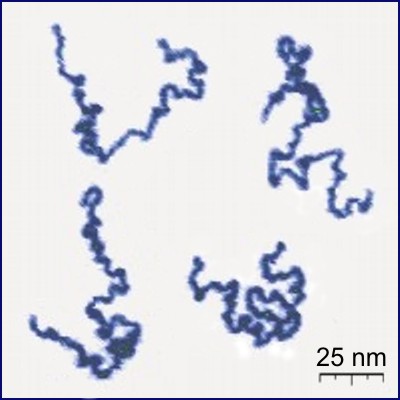
Have you ever wondered why plastic can be molded, rubber can stretch, and soup can thicken? The answer lies in a fascinating class of materials: polymers. In short, polymers are very large molecules - macromolecules - made from repeating small chemical units called monomers. Like a long chain, each link represents a monomer, and when thousands or millions of these links join together, a giant molecule with unique properties is formed.
The word 'polymer' comes from Greek: 'poly' (many) and 'meros' (part or unit). Thus, polymer literally means 'many parts'. The properties of polymers, such as strength, elasticity, and ability to form films, are directly due to their large molecular size and how these chains interact with each other. Unconsciously, polymers are part of almost every aspect of modern life, from the clothes we wear, the smartphones in our hands, to the basic molecules that make up our own bodies.
Monomers: The Basic Building Blocks of Polymers
Every great polymer starts from a small and simple monomer. A monomer is a small molecule that can chemically react with other monomers to form longer chains. Imagine it like LEGO blocks: one LEGO block may not be useful, but when connected with thousands of other blocks, it can form complex and strong structures. In the world of chemistry, monomers such as ethylene (C₂H₄) are the basic building blocks. When these ethylene molecules combine, they form polyethylene, the most widely used plastic in the world, which we find in bottles, plastic bags, and toys.
There are various types of monomers, and the type of monomer used determines the type of polymer produced. For example, the monomer styrene produces polystyrene (used in disposable cups and insulation), while the monomer vinyl chloride produces polyvinyl chloride (PVC) used in pipes and electrical cables. In nature, monomers like glucose combine to form starch and cellulose, two important natural polymers. Thus, by choosing different monomers, scientists can produce polymers with various properties, from extremely flexible to very hard and durable.
Polymerization: The Process of Creating Giant Molecules
The process of combining monomers to form polymers is called polymerization. There are two main methods for doing this: chain-growth polymerization and step-growth polymerization. In chain-growth polymerization, individual monomers are added one at a time to the end of the growing polymer chain, like adding carriages to the end of a train. This process usually requires an initiator to start the chain reaction. For example, the production of polyethylene uses high pressure and free radical initiators to start and propagate the chain growth.
Step-growth polymerization occurs when any two monomers with suitable functional groups can react with each other, forming bonds and releasing small molecules like water. This process is like building a chain by connecting existing links; any two links can join, and the chain grows gradually. A classic example is the formation of nylon, where diamine monomers and dicarboxylic acid monomers react to produce a strong and durable polymer. Regardless of the method, polymerization is a process that transforms easily available small molecules into materials with extraordinary mechanical properties.
Unique Properties of Polymers: From Elasticity to Viscosity
What makes polymers so special? The answer lies in their unique physical properties that stem from their large molecular size. One of the most notable properties is elasticity. Polymers like natural rubber can be stretched significantly and return to their original shape. This is because the polymer chains in rubber are tangled and disordered. When stretched, these chains become straight and aligned, but once released, they return to their tangled state. This property is very useful in making tires, rubber bands, and sportswear.
Another important feature is viscoelasticity. This refers to the ability of polymers to act like both a viscous liquid and an elastic solid at the same time, depending on temperature and strain rate. A simple example is 'silicon putty' or 'bouncing putty': if you roll it slowly, it will flow like a liquid; but if you throw it strongly, it will bounce like a ball. Finally, polymers tend to form amorphous (disordered) or semicrystalline (partially ordered) structures rather than perfect crystals. These structures are responsible for the strength, flexibility, and impact resistance found in many plastics.
Polymers in Nature: DNA and Proteins as Biological Polymers
Life itself depends on polymers. The two most important classes of biological polymers are nucleic acids and proteins. DNA, or deoxyribonucleic acid, is a polymer composed of nucleotide monomers. These three billion nucleotide pairs form the genetic code that determines everything from the color of our eyes to our predisposition to diseases. The iconic double helix structure of DNA is one of the most beautiful examples of how the arrangement of monomers can carry complex information.
Proteins, on the other hand, are polymers composed of amino acid monomers. There are 20 different types of amino acids, and their arrangement in the polymer chain determines the function of the protein. Enzymes, which speed up chemical reactions in the body, are proteins. Antibodies, which fight infections, are also proteins. Collagen, which gives strength to skin and bones, is a protein. Even our hair and nails are made of the protein keratin. This diversity of functions shows the power of polymers as information and structural molecules in biological systems.
Polymers in Daily Life: From Kitchen to Space
Our dependence on synthetic polymers is hard to ignore. In the kitchen, non-stick cookware is typically coated with polytetrafluoroethylene (PTFE), more commonly known as Teflon. Drinking water bottles are made from polyethylene terephthalate (PET) or polycarbonate. Our clothing, from nylon to polyester, is polymers designed for strength, elasticity, and resistance to shocks.
In the field of medicine, polymers have revolutionized healthcare. Contact lenses are made from hydrogel polymers that allow oxygen to pass through the cornea. Dissolvable sutures are made from polymers such as polylactic acid, which is gradually broken down by the body. Even hip and knee implants often use high-density polyethylene to replace worn cartilage. In the automotive industry, lightweight polymers are used to reduce vehicle weight and improve fuel efficiency. And in the aerospace sector, composite polymers are used to build strong yet lightweight aircraft and satellite bodies. From the kitchen to space, polymers are the materials that enable innovation.
The Future of Polymers: Challenges and Hopes for the Environment
Although synthetic polymers have brought immeasurable progress, they also pose significant challenges, especially in the form of plastic pollution. Conventional plastics such as polyethylene and polypropylene are not easily biodegradable, causing waste accumulation that pollutes oceans and land. This has driven intensive research into biodegradable polymers, such as polylactic acid (PLA) derived from corn starch, and polyhydroxyalkanoates (PHA) produced by bacteria.
At the same time, scientists are developing more efficient recycling methods, including chemical recycling that breaks polymers back down into their original monomers for reuse. There are also efforts to create polymers from renewable sources such as lignin (from plants) and chitin (from shrimp shells). Environmental challenges have changed the way we view polymers: no longer just as 'waste materials', but as valuable resources that need to be managed sustainably. The future of polymers will be determined by our ability to balance their benefits with responsibility towards our planet.
Conclusion: Understanding Polymers, Understanding the World
Polymers, whether natural or synthetic, are more than just giant molecules; they are the foundation of life's structure and modern technology. From the complex DNA helix to the simple plastic bottle, polymers form the fabric of our existence. Understanding how they are structured, how they are made, and their unique properties allows us to appreciate the wonders of molecular engineering around us. As we move forward, the challenge is to continue using the power of polymers for the benefit of humanity, while minimizing their negative impact on the environment. Every time we use a phone, wear a jacket, or store food, we are actually interacting with this chemical wonder. Therefore, take a moment to reflect: what role do polymers play in your life today?
---
*Reference: [Polymer — Wikipedia](https://en.wikipedia.org/wiki/Polymer)*
Polymers: The Giant Molecules That Shape the Modern World and Life Itself. Polymers are giant molecules composed of repeating small units known as monomers. Their presence, whether natural such as DNA and proteins or synthetic such as plastics and rubber, plays an important role in daily life. This article explores the unique properties of polymers, their formation process, and their profound impact on technology, medicine, and the environment. Understanding polymers means understanding the basic materials that shape our world.. What Are Polymers? Giant Molecules Everywhere
Have you ever wondered why plastic can be molded, rubber can stretch, and soup can thicken? The answer lies in a fascinating class of materials: polymers. In short, polymers are very large molecules - macromolecules - made from repeating small chemical units called monomers. Like a long chain, each link represents a monomer, and when thousands or millions of these links join together, a giant molecule with unique properties is formed.
The word 'polymer' comes from Greek: 'poly' many and 'meros' part or unit . Thus, polymer literally means 'many parts'. The properties of polymers, such as strength, elasticity, and ability to form films, are directly due to their large molecular size and how these chains interact with each other. Unconsciously, polymers are part of almost every aspect of modern life, from the clothes we wear, the smartphones in our hands, to the basic molecules that make up our own bodies.
Monomers: The Basic Building Blocks of Polymers
Every great polymer starts from a small and simple monomer. A monomer is a small molecule that can chemically react with other monomers to form longer chains. Imagine it like LEGO blocks: one LEGO block may not be useful, but when connected with thousands of other blocks, it can form complex and strong structures. In the world of chemistry, monomers such as ethylene C₂H₄ are the basic building blocks. When these ethylene molecules combine, they form polyethylene, the most widely used plastic in the world, which we find in bottles, plastic bags, and toys.
There are various types of monomers, and the type of monomer used determines the type of polymer produced. For example, the monomer styrene produces polystyrene used in disposable cups and insulation , while the monomer vinyl chloride produces polyvinyl chloride PVC used in pipes and electrical cables. In nature, monomers like glucose combine to form starch and cellulose, two important natural polymers. Thus, by choosing different monomers, scientists can produce polymers with various properties, from extremely flexible to very hard and durable.
Polymerization: The Process of Creating Giant Molecules
The process of combining monomers to form polymers is called polymerization. There are two main methods for doing this: chain-growth polymerization and step-growth polymerization. In chain-growth polymerization, individual monomers are added one at a time to the end of the growing polymer chain, like adding carriages to the end of a train. This process usually requires an initiator to start the chain reaction. For example, the production of polyethylene uses high pressure and free radical initiators to start and propagate the chain growth.
Step-growth polymerization occurs when any two monomers with suitable functional groups can react with each other, forming bonds and releasing small molecules like water. This process is like building a chain by connecting existing links; any two links can join, and the chain grows gradually. A classic example is the formation of nylon, where diamine monomers and dicarboxylic acid monomers react to produce a strong and durable polymer. Regardless of the method, polymerization is a process that transforms easily available small molecules into materials with extraordinary mechanical properties.
Unique Properties of Polymers: From Elasticity to Viscosity
What makes polymers so special? The answer lies in their unique physical properties that stem from their large molecular size. One of the most notable properties is elasticity. Polymers like natural rubber can be stretched significantly and return to their original shape. This is because the polymer chains in rubber are tangled and disordered. When stretched, these chains become straight and aligned, but once released, they return to their tangled state. This property is very useful in making tires, rubber bands, and sportswear.
Another important feature is viscoelasticity. This refers to the ability of polymers to act like both a viscous liquid and an elastic solid at the same time, depending on temperature and strain rate. A simple example is 'silicon putty' or 'bouncing putty': if you roll it slowly, it will flow like a liquid; but if you throw it strongly, it will bounce like a ball. Finally, polymers tend to form amorphous disordered or semicrystalline partially ordered structures rather than perfect crystals. These structures are responsible for the strength, flexibility, and impact resistance found in many plastics.
Polymers in Nature: DNA and Proteins as Biological Polymers
Life itself depends on polymers. The two most important classes of biological polymers are nucleic acids and proteins. DNA, or deoxyribonucleic acid, is a polymer composed of nucleotide monomers. These three billion nucleotide pairs form the genetic code that determines everything from the color of our eyes to our predisposition to diseases. The iconic double helix structure of DNA is one of the most beautiful examples of how the arrangement of monomers can carry complex information.
Proteins, on the other hand, are polymers composed of amino acid monomers. There are 20 different types of amino acids, and their arrangement in the polymer chain determines the function of the protein. Enzymes, which speed up chemical reactions in the body, are proteins. Antibodies, which fight infections, are also proteins. Collagen, which gives strength to skin and bones, is a protein. Even our hair and nails are made of the protein keratin. This diversity of functions shows the power of polymers as information and structural molecules in biological systems.
Polymers in Daily Life: From Kitchen to Space
Our dependence on synthetic polymers is hard to ignore. In the kitchen, non-stick cookware is typically coated with polytetrafluoroethylene PTFE , more commonly known as Teflon. Drinking water bottles are made from polyethylene terephthalate PET or polycarbonate. Our clothing, from nylon to polyester, is polymers designed for strength, elasticity, and resistance to shocks.
In the field of medicine, polymers have revolutionized healthcare. Contact lenses are made from hydrogel polymers that allow oxygen to pass through the cornea. Dissolvable sutures are made from polymers such as polylactic acid, which is gradually broken down by the body. Even hip and knee implants often use high-density polyethylene to replace worn cartilage. In the automotive industry, lightweight polymers are used to reduce vehicle weight and improve fuel efficiency. And in the aerospace sector, composite polymers are used to build strong yet lightweight aircraft and satellite bodies. From the kitchen to space, polymers are the materials that enable innovation.
The Future of Polymers: Challenges and Hopes for the Environment
Although synthetic polymers have brought immeasurable progress, they also pose significant challenges, especially in the form of plastic pollution. Conventional plastics such as polyethylene and polypropylene are not easily biodegradable, causing waste accumulation that pollutes oceans and land. This has driven intensive research into biodegradable polymers, such as polylactic acid PLA derived from corn starch, and polyhydroxyalkanoates PHA produced by bacteria.
At the same time, scientists are developing more efficient recycling methods, including chemical recycling that breaks polymers back down into their original monomers for reuse. There are also efforts to create polymers from renewable sources such as lignin from plants and chitin from shrimp shells . Environmental challenges have changed the way we view polymers: no longer just as 'waste materials', but as valuable resources that need to be managed sustainably. The future of polymers will be determined by our ability to balance their benefits with responsibility towards our planet.
Conclusion: Understanding Polymers, Understanding the World
Polymers, whether natural or synthetic, are more than just giant molecules; they are the foundation of life's structure and modern technology. From the complex DNA helix to the simple plastic bottle, polymers form the fabric of our existence. Understanding how they are structured, how they are made, and their unique properties allows us to appreciate the wonders of molecular engineering around us. As we move forward, the challenge is to continue using the power of polymers for the benefit of humanity, while minimizing their negative impact on the environment. Every time we use a phone, wear a jacket, or store food, we are actually interacting with this chemical wonder. Therefore, take a moment to reflect: what role do polymers play in your life today?
---
Reference: Polymer — Wikipedia https://en.wikipedia.org/wiki/Polymer