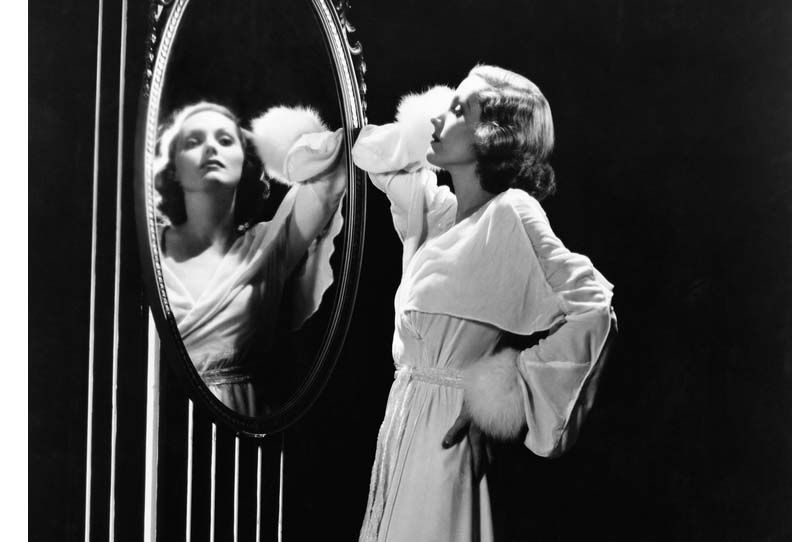
When we look in the mirror every morning, it's rare that we think: who really invented this object? The answer is not as simple as it seems, because mirrors have undergone a long evolution from ancient times to the silver-coated glass mirrors we know today.
The Birth of the Modern Mirror: Contributions of Justus von Liebig
The silver-coated glass mirrors found worldwide today originated in Germany almost 200 years ago. In 1835, a German chemist named Justus von Liebig discovered a process for applying a thin layer of metallic silver on one side of clear glass. This technique was later modified and improved, allowing mass production of mirrors. Since then, mirrors have become an affordable and easily accessible household item.
Before Glass: Mirrors Made from Stone and Metal
Although the modern mirror emerged in the 19th century, the history of mirrors is actually much older. According to research by vision expert Dr. Jay Enoch in the journal
Optometry and Vision Science in 2006, humans in Anatolia—now modern-day Turkey—had produced the first mirrors from polished obsidian (volcanic glass) around 8,000 years ago.
Not long after, polished copper mirrors appeared in Mesopotamia (now Iraq) and Egypt around 4000–3000 BCE. About 1,000 years later, people in Central and South America began making mirrors from polished stone, while artisans in China and India created mirrors from bronze.
Historical Records: Pliny the Elder and the First Glass Mirrors
In the first century CE, the Roman writer Pliny the Elder mentioned the first recorded use of glass mirrors in his encyclopedia
Natural History. However, glass mirrors at that time seem never to have been widely used. This record proves that the idea of using glass as a base material for mirrors existed since ancient Roman times, although the technology of that era was limited.
Nature: The True Inventor of the Mirror?
Interestingly, although various cultures independently created reflective mirrors throughout history, some argue that nature should be considered the true inventor of the mirror. As written by Dr. Enoch: "The first mirrors were most likely calm pools of water and containers made of stone or clay filled with water." Indeed, still water has been a natural "mirror" since humans first observed their reflections.
Mirrors and Cultural Reactions: Fear in Papua New Guinea
Not all societies around the world welcomed the presence of mirrors. When an anthropologist introduced mirrors to the remote Biami tribe in Papua New Guinea in the 1970s, the tribe reportedly met their own reflections with fear rather than attraction. This reaction shows that perceptions of mirrors are greatly influenced by cultural background and experience.
Conclusion: From Water Reflections to Silver-Coated Glass
The journey of mirrors from water reflections to silver-coated glass is a long story of human innovation. Each civilization contributed its unique touch—from Anatolian obsidian, Mesopotamian copper, Chinese bronze, to von Liebig's silver process. Today, mirrors are not just tools for looking at our appearance, but also symbols of self-reflection and important optical technology in various scientific fields and daily life.
Although we may never know for sure who the first person was to see their own reflection in water, one thing is certain: mirrors have been part of human history for thousands of years. And as the saying goes, "Mirror, mirror on the wall, who is the fairest of them all?" The answer is: it is the result of nature, civilization, and science that continues to evolve.
Who Really Invented the Mirror? A Long History Behind the Reflection. The modern mirror we use today originated from the invention of a German chemist in the 19th century, but the history of human face reflection apparently began thousands of years ago, from pools of water to obsidian stones.. When we look in the mirror every morning, it's rare that we think: who really invented this object? The answer is not as simple as it seems, because mirrors have undergone a long evolution from ancient times to the silver-coated glass mirrors we know today.
The Birth of the Modern Mirror: Contributions of Justus von Liebig
The silver-coated glass mirrors found worldwide today originated in Germany almost 200 years ago. In 1835, a German chemist named Justus von Liebig discovered a process for applying a thin layer of metallic silver on one side of clear glass. This technique was later modified and improved, allowing mass production of mirrors. Since then, mirrors have become an affordable and easily accessible household item.
Before Glass: Mirrors Made from Stone and Metal
Although the modern mirror emerged in the 19th century, the history of mirrors is actually much older. According to research by vision expert Dr. Jay Enoch in the journal Optometry and Vision Science in 2006, humans in Anatolia—now modern-day Turkey—had produced the first mirrors from polished obsidian volcanic glass around 8,000 years ago.
Not long after, polished copper mirrors appeared in Mesopotamia now Iraq and Egypt around 4000–3000 BCE. About 1,000 years later, people in Central and South America began making mirrors from polished stone, while artisans in China and India created mirrors from bronze.
Historical Records: Pliny the Elder and the First Glass Mirrors
In the first century CE, the Roman writer Pliny the Elder mentioned the first recorded use of glass mirrors in his encyclopedia Natural History . However, glass mirrors at that time seem never to have been widely used. This record proves that the idea of using glass as a base material for mirrors existed since ancient Roman times, although the technology of that era was limited.
Nature: The True Inventor of the Mirror?
Interestingly, although various cultures independently created reflective mirrors throughout history, some argue that nature should be considered the true inventor of the mirror. As written by Dr. Enoch: "The first mirrors were most likely calm pools of water and containers made of stone or clay filled with water." Indeed, still water has been a natural "mirror" since humans first observed their reflections.
Mirrors and Cultural Reactions: Fear in Papua New Guinea
Not all societies around the world welcomed the presence of mirrors. When an anthropologist introduced mirrors to the remote Biami tribe in Papua New Guinea in the 1970s, the tribe reportedly met their own reflections with fear rather than attraction. This reaction shows that perceptions of mirrors are greatly influenced by cultural background and experience.
Conclusion: From Water Reflections to Silver-Coated Glass
The journey of mirrors from water reflections to silver-coated glass is a long story of human innovation. Each civilization contributed its unique touch—from Anatolian obsidian, Mesopotamian copper, Chinese bronze, to von Liebig's silver process. Today, mirrors are not just tools for looking at our appearance, but also symbols of self-reflection and important optical technology in various scientific fields and daily life.
Although we may never know for sure who the first person was to see their own reflection in water, one thing is certain: mirrors have been part of human history for thousands of years. And as the saying goes, "Mirror, mirror on the wall, who is the fairest of them all?" The answer is: it is the result of nature, civilization, and science that continues to evolve.