Misteri Batu-Batu Purba di Bumi Kanguru
Apabila kita mendengar perkataan 'Stonehenge', minda kita menerawang ke dataran berangin England, dengan batu-batu raksasa yang menjulang ke langit. Namun, tahukah anda bahawa Australia juga memiliki formasi batu purba yang tidak kurang hebatnya? Ini bukan ciptaan alam biasa, tetapi susunan batu yang sengaja direka oleh masyarakat Orang Asli Australia sejak zaman berzaman. Dalam artikel ini, kita akan menyelami fenomena 'aboriginal stone arrangement' — seni batu yang bukan sekadar batu, tetapi penuh dengan makna spiritual, astronomi, dan budaya.
Apa Itu Aboriginal Stone Arrangement?
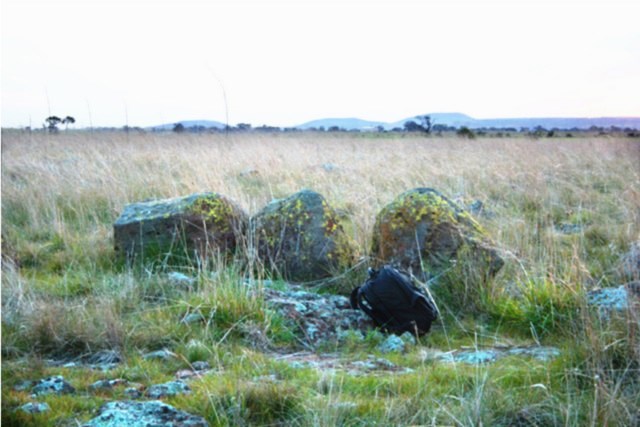
Aboriginal stone arrangement merujuk kepada susunan batu-batu yang dibina oleh Orang Asli Australia sebagai sebahagian daripada tradisi budaya mereka. Batu-batu ini biasanya bersaiz sekitar 30 sentimeter, tetapi di sesetengah tempat seperti Victoria, saiznya boleh mencecah 1 meter tinggi! Susunan ini boleh terbentang sejauh beberapa meter hingga puluhan meter, membentuk corak geometri yang menakjubkan. Contohnya, di Wurdi Youang, Victoria, terdapat lebih kurang 100 batu yang disusun dalam bentuk bujur seperti telur, dengan diameter kira-kira 50 meter. Setiap batu ditanam kukuh ke dalam tanah, dan kebanyakannya disokong oleh 'batu picu' kecil untuk memastikan kestabilan. Bentuk ini sangat mirip dengan lingkaran batu megalitik di Britain, tetapi fungsinya dipercayai berbeza sama sekali.
Tujuan Spiritual dan Upacara Inisiasi
Walaupun para arkeologi masih belum mencapai kata sepakat tentang tujuan sebenar susunan batu ini, bukti kuat menunjukkan ia berkait rapat dengan upacara spiritual. Masyarakat Orang Asli Australia mempunyai hubungan yang mendalam dengan tanah dan alam semesta. Susunan batu ini mungkin digunakan sebagai tapak untuk upacara inisiasi — iaitu peralihan seorang individu dari satu peringkat kehidupan ke peringkat yang lain, misalnya dari kanak-kanak ke dewasa. Dalam konteks ini, batu-batu tersebut berfungsi sebagai penanda ruang suci, di mana cerita-cerita nenek moyang diceritakan semula, dan pengetahuan rahsia diturunkan. Beberapa susunan juga ditemui berhampiran sumber air atau tempat perkhemahan, menunjukkan ia mungkin menjadi pusat komuniti untuk perhimpunan besar.
Kejuruteraan Purba: Bagaimana Batu-Batu Ini Dibina?
Satu persoalan yang menarik ialah: bagaimana Orang Asli Australia, yang tidak menggunakan alat logam atau teknologi moden, berjaya menyusun batu-batu besar ini dengan begitu teliti? Jawapannya terletak pada pemahaman mendalam mereka tentang fizik semula jadi. Mereka memilih batu yang sesuai dari kawasan sekitar, kemudian mengangkutnya menggunakan kayu pengungkit dan tali dari serat tumbuhan. Batu-batu ini ditanam ke dalam tanah dengan kedalaman tertentu, dan 'batu picu' digunakan untuk memastikan ia tidak mudah tumbang. Proses ini memerlukan perancangan yang rapi dan kerjasama kumpulan yang besar. Di sesetengah tempat, susunan batu ini juga sejajar dengan pergerakan matahari dan bintang, menunjukkan pengetahuan astronomi yang maju. Contohnya, di Wurdi Youang, garisan batu tertentu menunjuk ke arah matahari terbenam pada solstis musim panas dan musim sejuk, membolehkan masyarakat purba menjejak perubahan musim.
Perbandingan dengan Stonehenge dan Budaya Lain
Sukar untuk tidak membandingkan formasi batu Orang Asli Australia dengan Stonehenge di Britain. Kedua-duanya menggunakan batu besar yang disusun dalam corak lingkaran, dan kedua-duanya dipercayai mempunyai fungsi astronomi dan spiritual. Namun, terdapat perbezaan ketara. Stonehenge dibina oleh masyarakat Neolitik yang mengamalkan pertanian dan penternakan, manakala Orang Asli Australia adalah pemburu-pengumpul yang berpindah-randah. Walaupun begitu, mereka tetap mampu mencipta monumen yang setanding dari segi kerumitan. Ini menunjukkan bahawa kecerdasan manusia tidak terhad kepada satu bentuk kehidupan sahaja; setiap budaya mencipta teknologi yang sesuai dengan keperluan dan alam sekitar mereka. Di Australia, terdapat juga formasi batu lain seperti 'bora ring' di New South Wales, yang digunakan untuk upacara inisiasi lelaki, dan 'stone fish traps' di Victoria, yang digunakan untuk menangkap ikan. Semua ini membuktikan kepelbagaian dan kebijaksanaan masyarakat Orang Asli.
Misteri yang Masih Belum Terungkai
Walaupun banyak kajian telah dilakukan, tujuan sebenar kebanyakan susunan batu ini masih menjadi misteri. Sebahagian penyelidik percaya ia mungkin berfungsi sebagai peta bintang atau kalendar, manakala yang lain berpendapat ia adalah sempadan wilayah atau tanda jalan. Ada juga yang mengaitkannya dengan upacara kesuburan atau pemujaan nenek moyang. Yang pasti, setiap susunan batu adalah unik dan mungkin mempunyai pelbagai fungsi bergantung kepada komuniti yang membinanya. Malangnya, banyak susunan batu ini telah musnah akibat pembangunan moden, pertanian, dan vandalisme. Namun, usaha pemuliharaan kini giat dijalankan, dengan kerjasama antara komuniti Orang Asli, kerajaan, dan saintis. Dengan teknologi seperti LiDAR dan pemetaan 3D, kita mungkin suatu hari nanti dapat mengungkap lebih banyak rahsia tentang warisan purba ini.
Kesimpulan: Memelihara Warisan Batu yang Hidup
Aboriginal stone arrangement bukan sekadar batu usang yang tersusun rapi; ia adalah buku sejarah yang ditulis dalam batu, menceritakan kisah tentang hubungan manusia dengan alam, spiritualitas, dan kelangsungan hidup. Setiap batu yang diletakkan oleh tangan Orang Asli Australia adalah bukti kecerdasan dan kreativiti mereka. Sebagai generasi masa kini, tanggungjawab kita adalah untuk memelihara monumen ini agar ia terus menjadi sumber inspirasi dan pengetahuan. Jika anda berpeluang melawat Australia, jangan lepaskan peluang untuk melihat sendiri keajaiban ini — kerana di sebalik setiap batu, ada cerita yang menunggu untuk didengari.
---
Rujukan: Aboriginal stone arrangement — Wikipedia
Batu-Batu Purba Ini Disusun Oleh Orang Asli Australia — Tujuannya Masih Misteri. Di seberang Australia, terdapat susunan batu purba yang mungkin berusia ribuan tahun. Batu-batu ini disusun oleh orang Asli Australia dengan corak yang kompleks dan saiz mengagumkan. Walaupun tujuan sebenar masih menjadi teka-teki, para saintis percaya ia berkait dengan upacara spiritual dan astronomi. Temui rahsia 'Stonehenge' Australia ini.. Misteri Batu-Batu Purba di Bumi Kanguru
Apabila kita mendengar perkataan 'Stonehenge', minda kita menerawang ke dataran berangin England, dengan batu-batu raksasa yang menjulang ke langit. Namun, tahukah anda bahawa Australia juga memiliki formasi batu purba yang tidak kurang hebatnya? Ini bukan ciptaan alam biasa, tetapi susunan batu yang sengaja direka oleh masyarakat Orang Asli Australia sejak zaman berzaman. Dalam artikel ini, kita akan menyelami fenomena 'aboriginal stone arrangement' — seni batu yang bukan sekadar batu, tetapi penuh dengan makna spiritual, astronomi, dan budaya.
Apa Itu Aboriginal Stone Arrangement?
Aboriginal stone arrangement merujuk kepada susunan batu-batu yang dibina oleh Orang Asli Australia sebagai sebahagian daripada tradisi budaya mereka. Batu-batu ini biasanya bersaiz sekitar 30 sentimeter, tetapi di sesetengah tempat seperti Victoria, saiznya boleh mencecah 1 meter tinggi! Susunan ini boleh terbentang sejauh beberapa meter hingga puluhan meter, membentuk corak geometri yang menakjubkan. Contohnya, di Wurdi Youang, Victoria, terdapat lebih kurang 100 batu yang disusun dalam bentuk bujur seperti telur, dengan diameter kira-kira 50 meter. Setiap batu ditanam kukuh ke dalam tanah, dan kebanyakannya disokong oleh 'batu picu' kecil untuk memastikan kestabilan. Bentuk ini sangat mirip dengan lingkaran batu megalitik di Britain, tetapi fungsinya dipercayai berbeza sama sekali.
Tujuan Spiritual dan Upacara Inisiasi
Walaupun para arkeologi masih belum mencapai kata sepakat tentang tujuan sebenar susunan batu ini, bukti kuat menunjukkan ia berkait rapat dengan upacara spiritual. Masyarakat Orang Asli Australia mempunyai hubungan yang mendalam dengan tanah dan alam semesta. Susunan batu ini mungkin digunakan sebagai tapak untuk upacara inisiasi — iaitu peralihan seorang individu dari satu peringkat kehidupan ke peringkat yang lain, misalnya dari kanak-kanak ke dewasa. Dalam konteks ini, batu-batu tersebut berfungsi sebagai penanda ruang suci, di mana cerita-cerita nenek moyang diceritakan semula, dan pengetahuan rahsia diturunkan. Beberapa susunan juga ditemui berhampiran sumber air atau tempat perkhemahan, menunjukkan ia mungkin menjadi pusat komuniti untuk perhimpunan besar.
Kejuruteraan Purba: Bagaimana Batu-Batu Ini Dibina?
Satu persoalan yang menarik ialah: bagaimana Orang Asli Australia, yang tidak menggunakan alat logam atau teknologi moden, berjaya menyusun batu-batu besar ini dengan begitu teliti? Jawapannya terletak pada pemahaman mendalam mereka tentang fizik semula jadi. Mereka memilih batu yang sesuai dari kawasan sekitar, kemudian mengangkutnya menggunakan kayu pengungkit dan tali dari serat tumbuhan. Batu-batu ini ditanam ke dalam tanah dengan kedalaman tertentu, dan 'batu picu' digunakan untuk memastikan ia tidak mudah tumbang. Proses ini memerlukan perancangan yang rapi dan kerjasama kumpulan yang besar. Di sesetengah tempat, susunan batu ini juga sejajar dengan pergerakan matahari dan bintang, menunjukkan pengetahuan astronomi yang maju. Contohnya, di Wurdi Youang, garisan batu tertentu menunjuk ke arah matahari terbenam pada solstis musim panas dan musim sejuk, membolehkan masyarakat purba menjejak perubahan musim.
Perbandingan dengan Stonehenge dan Budaya Lain
Sukar untuk tidak membandingkan formasi batu Orang Asli Australia dengan Stonehenge di Britain. Kedua-duanya menggunakan batu besar yang disusun dalam corak lingkaran, dan kedua-duanya dipercayai mempunyai fungsi astronomi dan spiritual. Namun, terdapat perbezaan ketara. Stonehenge dibina oleh masyarakat Neolitik yang mengamalkan pertanian dan penternakan, manakala Orang Asli Australia adalah pemburu-pengumpul yang berpindah-randah. Walaupun begitu, mereka tetap mampu mencipta monumen yang setanding dari segi kerumitan. Ini menunjukkan bahawa kecerdasan manusia tidak terhad kepada satu bentuk kehidupan sahaja; setiap budaya mencipta teknologi yang sesuai dengan keperluan dan alam sekitar mereka. Di Australia, terdapat juga formasi batu lain seperti 'bora ring' di New South Wales, yang digunakan untuk upacara inisiasi lelaki, dan 'stone fish traps' di Victoria, yang digunakan untuk menangkap ikan. Semua ini membuktikan kepelbagaian dan kebijaksanaan masyarakat Orang Asli.
Misteri yang Masih Belum Terungkai
Walaupun banyak kajian telah dilakukan, tujuan sebenar kebanyakan susunan batu ini masih menjadi misteri. Sebahagian penyelidik percaya ia mungkin berfungsi sebagai peta bintang atau kalendar, manakala yang lain berpendapat ia adalah sempadan wilayah atau tanda jalan. Ada juga yang mengaitkannya dengan upacara kesuburan atau pemujaan nenek moyang. Yang pasti, setiap susunan batu adalah unik dan mungkin mempunyai pelbagai fungsi bergantung kepada komuniti yang membinanya. Malangnya, banyak susunan batu ini telah musnah akibat pembangunan moden, pertanian, dan vandalisme. Namun, usaha pemuliharaan kini giat dijalankan, dengan kerjasama antara komuniti Orang Asli, kerajaan, dan saintis. Dengan teknologi seperti LiDAR dan pemetaan 3D, kita mungkin suatu hari nanti dapat mengungkap lebih banyak rahsia tentang warisan purba ini.
Kesimpulan: Memelihara Warisan Batu yang Hidup
Aboriginal stone arrangement bukan sekadar batu usang yang tersusun rapi; ia adalah buku sejarah yang ditulis dalam batu, menceritakan kisah tentang hubungan manusia dengan alam, spiritualitas, dan kelangsungan hidup. Setiap batu yang diletakkan oleh tangan Orang Asli Australia adalah bukti kecerdasan dan kreativiti mereka. Sebagai generasi masa kini, tanggungjawab kita adalah untuk memelihara monumen ini agar ia terus menjadi sumber inspirasi dan pengetahuan. Jika anda berpeluang melawat Australia, jangan lepaskan peluang untuk melihat sendiri keajaiban ini — kerana di sebalik setiap batu, ada cerita yang menunggu untuk didengari.
---
Rujukan: Aboriginal stone arrangement — Wikipedia https://en.wikipedia.org/wiki/Aboriginal stone arrangement