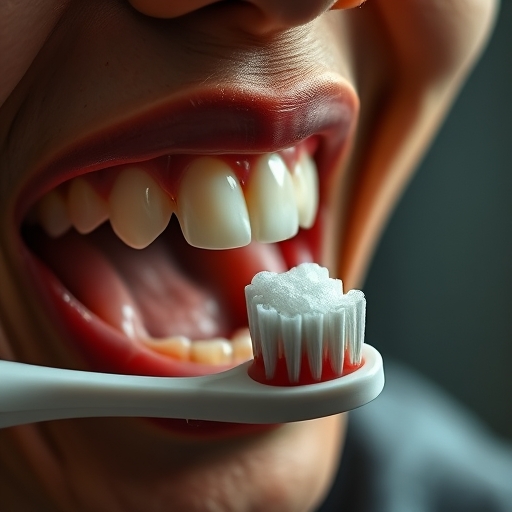
Early Toothbrushes
Toothbrushes have been used for centuries, with evidence of early use found in ancient Chinese, Egyptian, and Indian civilizations. In ancient times, toothbrushes were made from animal bristles or twigs brushed with ash, charcoal, or other substances to clean teeth.
These early toothbrush uses demonstrate the importance of dental cleaning in daily routines, even though the methods and materials used were vastly different from what we use today.
Evolution of the Modern Toothbrush
In the 18th century, modern toothbrushes began to be developed in Europe. These toothbrushes were made from hog bristles brushed with toothpaste containing ingredients like soda ash and burnt hooves. However, hog bristles often caused gum inflammation and other oral problems.
In the mid-20th century, synthetic toothbrushes began to be introduced, offering a gentler and more hygienic alternative to hog bristles. These synthetic materials allowed for more consistent toothbrush production, with more uniform sizes and shapes.
Features of Modern Toothbrushes
Modern toothbrushes are designed to meet different dental cleaning needs. Some common features include:
- Use of Synthetic Materials: Synthetic materials like nylon are used to create softer and more durable bristles.
- Specialized Design: Modern toothbrushes have specialized designs to reach difficult areas, such as the gaps between teeth and gums.
- Toothpaste with Fluoride: Toothpaste containing fluoride is often used with toothbrushes to strengthen tooth enamel and prevent cavities.
Conclusion
The history of the modern toothbrush shows a continuous evolution in the pursuit of more effective and safer dental cleaning. From the early use of animal bristles to the development of synthetic materials and specialized designs, the toothbrush has become an essential tool in our daily dental hygiene routine.
---
Reference: Toothbrush — Wikipedia
The History of the Modern Toothbrush: An Evolution in Dental Cleaning. The modern toothbrush has undergone a long evolution since ancient times, with significant changes in design, materials, and function. In this article, we will explore the history of modern toothbrush use and how it has become an essential tool in our daily dental hygiene routine.. Early Toothbrushes
Toothbrushes have been used for centuries, with evidence of early use found in ancient Chinese, Egyptian, and Indian civilizations. In ancient times, toothbrushes were made from animal bristles or twigs brushed with ash, charcoal, or other substances to clean teeth.
These early toothbrush uses demonstrate the importance of dental cleaning in daily routines, even though the methods and materials used were vastly different from what we use today.
Evolution of the Modern Toothbrush
In the 18th century, modern toothbrushes began to be developed in Europe. These toothbrushes were made from hog bristles brushed with toothpaste containing ingredients like soda ash and burnt hooves. However, hog bristles often caused gum inflammation and other oral problems.
In the mid-20th century, synthetic toothbrushes began to be introduced, offering a gentler and more hygienic alternative to hog bristles. These synthetic materials allowed for more consistent toothbrush production, with more uniform sizes and shapes.
Features of Modern Toothbrushes
Modern toothbrushes are designed to meet different dental cleaning needs. Some common features include:
- Use of Synthetic Materials : Synthetic materials like nylon are used to create softer and more durable bristles.
- Specialized Design : Modern toothbrushes have specialized designs to reach difficult areas, such as the gaps between teeth and gums.
- Toothpaste with Fluoride : Toothpaste containing fluoride is often used with toothbrushes to strengthen tooth enamel and prevent cavities.
Conclusion
The history of the modern toothbrush shows a continuous evolution in the pursuit of more effective and safer dental cleaning. From the early use of animal bristles to the development of synthetic materials and specialized designs, the toothbrush has become an essential tool in our daily dental hygiene routine.
---
Reference: Toothbrush — Wikipedia https://ms.wikipedia.org/wiki/Berus gigi