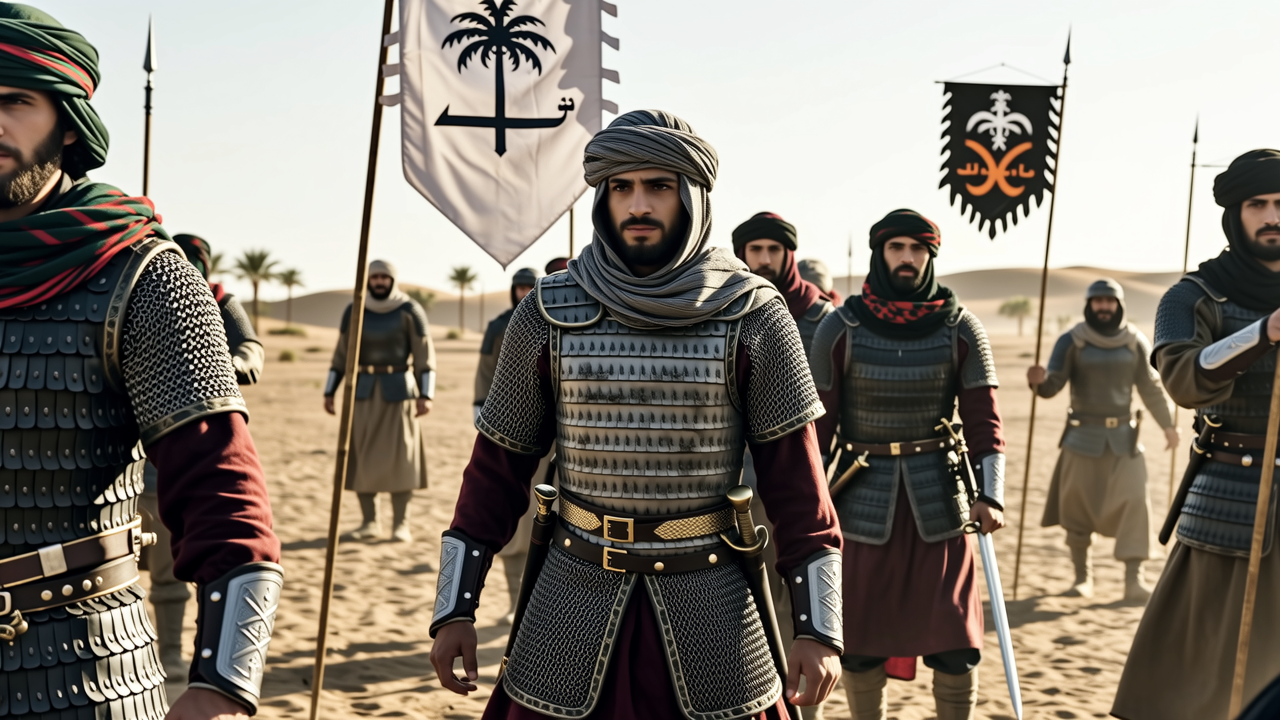
En las llanuras ardientes, lejos de la era de la tecnología moderna, los combates armados estallaron trágicamente, no entre reinos extranjeros, sino entre seguidores de la misma religión. Los eventos que condujeron a la Guerra de Jamal y la Guerra de Siffin en el siglo VII d.C., aunque han transcurrido miles de años, siguen siendo un caso doloroso de estudio sobre cómo las disputas políticas sin control pueden destruir la unidad, provocar conflictos sangrientos y dejar una legado prolongado de división.
Semillas de la División Después de Uthman
La crisis de liderazgo comenzó inmediatamente después del asesinato del Califa Uthman ibn Affan en el año 656 d.C. Este asesinato, que ocurrió en un ambiente de tensión política y acusaciones de corrupción, abrió la caja de Pandora que no podía cerrarse nuevamente. El Califa Uthman, yerno del Profeta Muhammad SAW, fue asesinado por rebeldes egipcios, una acción sorprendente y dividida que afectó a la comunidad musulmana. Esta vacante de poder inmediatamente provocó una lucha intensa por el liderazgo, con diversos grupos teniendo sus propias reclamaciones y agendas.
Ali ibn Abi Talib, yerno y primo del Profeta Muhammad SAW, fue posteriormente nombrado como el cuarto Califa. Sin embargo, su legitimidad fue cuestionada por varios líderes influyentes que exigían justicia inmediata por el asesinato de Uthman. Entre los primeros opositores estaban Aisyah, la esposa del Profeta Muhammad SAW, junto con Talhah y Zubayr, dos compañeros destacados. Ellos argumentaban que Ali debía castigar primero a los asesinos de Uthman antes de aceptar la bai'ah (juramento de fidelidad) como califa. Esta desacuerdo, que inicialmente podría parecer una diferencia de opinión sobre el procedimiento, rápidamente se deterioró en desconfianza y profundo resentimiento.
La Tragedia de la Vaca Roja: La Batalla de Jamal
La tensión alcanzó su punto máximo en la Batalla de Jamal, también conocida como la "Guerra de la Vaca", que tuvo lugar en diciembre de 656 d.C. cerca de Basra, Irak. Aisyah, Talhah y Zubayr lideraron un ejército que exigía a Ali que actuara contra los asesinos de Uthman. Marcharon hacia Basra para reunir apoyo, mientras que Ali se movió desde Medina para enfrentarlos. La batalla en sí misma fue una tragedia profunda, ya que involucró enfrentamientos entre los nobles compañeros del Profeta y la comunidad musulmana que debería estar unida.
Este conflicto fue caracterizado por una profunda tristeza en ambos bandos. Se informó que Ali intentó evitar la batalla, enviando mensajeros para negociar y resolver el asunto pacíficamente. Sin embargo, provocaciones de ciertos individuos en ambos lados, posiblemente con sus propias agendas, hicieron inevitable la batalla. Aisyah misma estaba montada en una vaca, animando a su ejército, lo que hizo que la batalla fuera conocida como "la Guerra de la Vaca". La muerte de Talhah y Zubayr en la batalla, así como el alto número de víctimas, es prueba de lo grave que puede ser la división política, causando derramamiento de sangre innecesario. La Batalla de Jamal terminó con la victoria de Ali, pero dejó cicatrices profundas en la historia islámica y rompió indirectamente la unidad de la comunidad.
Turbulencias de Siffin y la Arbitración que Dividió
La victoria en Jamal no resolvió todos los problemas de Ali. El mayor desafío vino de Muawiyah ibn Abi Sufyan, gobernador de Siria (Síria) y hermano de Uthman. Muawiyah exigió qisas (venganza) por el asesinato de Uthman y se negó a reconocer la califato de Ali hasta que se restableciera la justicia. Reunió un gran ejército en Siria y rechazó dar la bai'ah a Ali, efectivamente creando dos centros de poder dentro del Califato Islámico.
Esto llevó a la Batalla de Siffin, que duró mucho tiempo, que comenzó en el año 657 d.C. en las orillas del Río Éufrates. Durante varios meses, ambos ejércitos se enfrentaron mutuamente, con frecuentes pequeños combates. El punto culminante llegó cuando el ejército de Ali casi ganó la batalla. Sin embargo, cuando el ejército de Muawiyah elevó un mushaf (manuscrito del Corán) en la punta de sus lanzas, pidiendo una solución a través de la arbitraje (tahkim), Ali tuvo que aceptar debido a la presión de la mayoría de su ejército. Este evento, conocido como "El Incidente de Tahkim", es uno de los episodios más controvertidos en la historia islámica.
La arbitraje liderada por representantes de ambos lados, Abu Musa al-Asy'ari (del lado de Ali) y Amr ibn al-As (del lado de Muawiyah), falló en llegar a un acuerdo satisfactorio. De hecho, terminó con una decisión dudosa y generalmente considerada perjudicial para Ali. Esta decisión, que efectivamente excluyó a Ali del califato sin nombrar un sucesor claro, provocó la ira de la mayoría de los seguidores de Ali, quienes posteriormente formaron la facción de los Khawarij. Ellos consideraron que Ali había cometido un gran pecado al aceptar el tahkim, que en su opinión, entregaba la ley de Dios a los humanos. Esta división no solo debilitó a Ali, sino que también llevó a la formación de diferentes escuelas políticas en el islam, con efectos duraderos hasta hoy en día.
Legado de la División y Advertencia Actual
Las guerras de Jamal y Siffin son una manifestación clara de cómo la política sin control, impulsada por ambiciones, malentendidos y falta de consenso, puede llevar a una destrucción amplia. Aunque las intenciones iniciales podrían ser buscar justicia o establecer principios, la incapacidad para manejar las diferencias de manera constructiva y la tendencia a usar la violencia han sumergido a la comunidad musulmana en un conflicto prolongado.
Estas historias son un aviso claro para cualquier sociedad, en cualquier época, sobre el verdadero peligro cuando la política se convierte en el objetivo principal, superando los principios de unidad y justicia compartida. Cuando los líderes fallan en comprometerse por el bien mayor, cuando las narrativas de división se dejan arraigar y cuando las emociones dominan la razón, entonces el camino hacia el conflicto se abre ampliamente. Comprender esta historia no es para excavar heridas antiguas, sino para aprender lecciones para que los mismos errores no se repitan, y para valorar la importancia de la estabilidad, el diálogo y el liderazgo responsable en la gestión de diferencias políticas para un futuro más seguro y unido.
La Llama de la División: Lecciones de las Guerras de Jamal y Siffin sobre el Peligro de la Política Descontrolada. Hace más de 1.400 años, la Califato Islamista temprano fue sacudido por divisiones internas que llevaron a las Guerras de Jamal y Siffin, dos conflictos sangrientos que son un aviso claro sobre los peligros de la política sin control y sus implicaciones para la estabilidad social.. En las llanuras ardientes, lejos de la era de la tecnología moderna, los combates armados estallaron trágicamente, no entre reinos extranjeros, sino entre seguidores de la misma religión. Los eventos que condujeron a la Guerra de Jamal y la Guerra de Siffin en el siglo VII d.C., aunque han transcurrido miles de años, siguen siendo un caso doloroso de estudio sobre cómo las disputas políticas sin control pueden destruir la unidad, provocar conflictos sangrientos y dejar una legado prolongado de división.
Semillas de la División Después de Uthman
La crisis de liderazgo comenzó inmediatamente después del asesinato del Califa Uthman ibn Affan en el año 656 d.C. Este asesinato, que ocurrió en un ambiente de tensión política y acusaciones de corrupción, abrió la caja de Pandora que no podía cerrarse nuevamente. El Califa Uthman, yerno del Profeta Muhammad SAW, fue asesinado por rebeldes egipcios, una acción sorprendente y dividida que afectó a la comunidad musulmana. Esta vacante de poder inmediatamente provocó una lucha intensa por el liderazgo, con diversos grupos teniendo sus propias reclamaciones y agendas.
Ali ibn Abi Talib, yerno y primo del Profeta Muhammad SAW, fue posteriormente nombrado como el cuarto Califa. Sin embargo, su legitimidad fue cuestionada por varios líderes influyentes que exigían justicia inmediata por el asesinato de Uthman. Entre los primeros opositores estaban Aisyah, la esposa del Profeta Muhammad SAW, junto con Talhah y Zubayr, dos compañeros destacados. Ellos argumentaban que Ali debía castigar primero a los asesinos de Uthman antes de aceptar la bai'ah juramento de fidelidad como califa. Esta desacuerdo, que inicialmente podría parecer una diferencia de opinión sobre el procedimiento, rápidamente se deterioró en desconfianza y profundo resentimiento.
La Tragedia de la Vaca Roja: La Batalla de Jamal
La tensión alcanzó su punto máximo en la Batalla de Jamal, también conocida como la "Guerra de la Vaca", que tuvo lugar en diciembre de 656 d.C. cerca de Basra, Irak. Aisyah, Talhah y Zubayr lideraron un ejército que exigía a Ali que actuara contra los asesinos de Uthman. Marcharon hacia Basra para reunir apoyo, mientras que Ali se movió desde Medina para enfrentarlos. La batalla en sí misma fue una tragedia profunda, ya que involucró enfrentamientos entre los nobles compañeros del Profeta y la comunidad musulmana que debería estar unida.
Este conflicto fue caracterizado por una profunda tristeza en ambos bandos. Se informó que Ali intentó evitar la batalla, enviando mensajeros para negociar y resolver el asunto pacíficamente. Sin embargo, provocaciones de ciertos individuos en ambos lados, posiblemente con sus propias agendas, hicieron inevitable la batalla. Aisyah misma estaba montada en una vaca, animando a su ejército, lo que hizo que la batalla fuera conocida como "la Guerra de la Vaca". La muerte de Talhah y Zubayr en la batalla, así como el alto número de víctimas, es prueba de lo grave que puede ser la división política, causando derramamiento de sangre innecesario. La Batalla de Jamal terminó con la victoria de Ali, pero dejó cicatrices profundas en la historia islámica y rompió indirectamente la unidad de la comunidad.
Turbulencias de Siffin y la Arbitración que Dividió
La victoria en Jamal no resolvió todos los problemas de Ali. El mayor desafío vino de Muawiyah ibn Abi Sufyan, gobernador de Siria Síria y hermano de Uthman. Muawiyah exigió qisas venganza por el asesinato de Uthman y se negó a reconocer la califato de Ali hasta que se restableciera la justicia. Reunió un gran ejército en Siria y rechazó dar la bai'ah a Ali, efectivamente creando dos centros de poder dentro del Califato Islámico.
Esto llevó a la Batalla de Siffin, que duró mucho tiempo, que comenzó en el año 657 d.C. en las orillas del Río Éufrates. Durante varios meses, ambos ejércitos se enfrentaron mutuamente, con frecuentes pequeños combates. El punto culminante llegó cuando el ejército de Ali casi ganó la batalla. Sin embargo, cuando el ejército de Muawiyah elevó un mushaf manuscrito del Corán en la punta de sus lanzas, pidiendo una solución a través de la arbitraje tahkim , Ali tuvo que aceptar debido a la presión de la mayoría de su ejército. Este evento, conocido como "El Incidente de Tahkim", es uno de los episodios más controvertidos en la historia islámica.
La arbitraje liderada por representantes de ambos lados, Abu Musa al-Asy'ari del lado de Ali y Amr ibn al-As del lado de Muawiyah , falló en llegar a un acuerdo satisfactorio. De hecho, terminó con una decisión dudosa y generalmente considerada perjudicial para Ali. Esta decisión, que efectivamente excluyó a Ali del califato sin nombrar un sucesor claro, provocó la ira de la mayoría de los seguidores de Ali, quienes posteriormente formaron la facción de los Khawarij. Ellos consideraron que Ali había cometido un gran pecado al aceptar el tahkim, que en su opinión, entregaba la ley de Dios a los humanos. Esta división no solo debilitó a Ali, sino que también llevó a la formación de diferentes escuelas políticas en el islam, con efectos duraderos hasta hoy en día.
Legado de la División y Advertencia Actual
Las guerras de Jamal y Siffin son una manifestación clara de cómo la política sin control, impulsada por ambiciones, malentendidos y falta de consenso, puede llevar a una destrucción amplia. Aunque las intenciones iniciales podrían ser buscar justicia o establecer principios, la incapacidad para manejar las diferencias de manera constructiva y la tendencia a usar la violencia han sumergido a la comunidad musulmana en un conflicto prolongado.
Estas historias son un aviso claro para cualquier sociedad, en cualquier época, sobre el verdadero peligro cuando la política se convierte en el objetivo principal, superando los principios de unidad y justicia compartida . Cuando los líderes fallan en comprometerse por el bien mayor, cuando las narrativas de división se dejan arraigar y cuando las emociones dominan la razón, entonces el camino hacia el conflicto se abre ampliamente. Comprender esta historia no es para excavar heridas antiguas, sino para aprender lecciones para que los mismos errores no se repitan, y para valorar la importancia de la estabilidad, el diálogo y el liderazgo responsable en la gestión de diferencias políticas para un futuro más seguro y unido.