Pedras que Deixam Rastros sem Movimento Visível
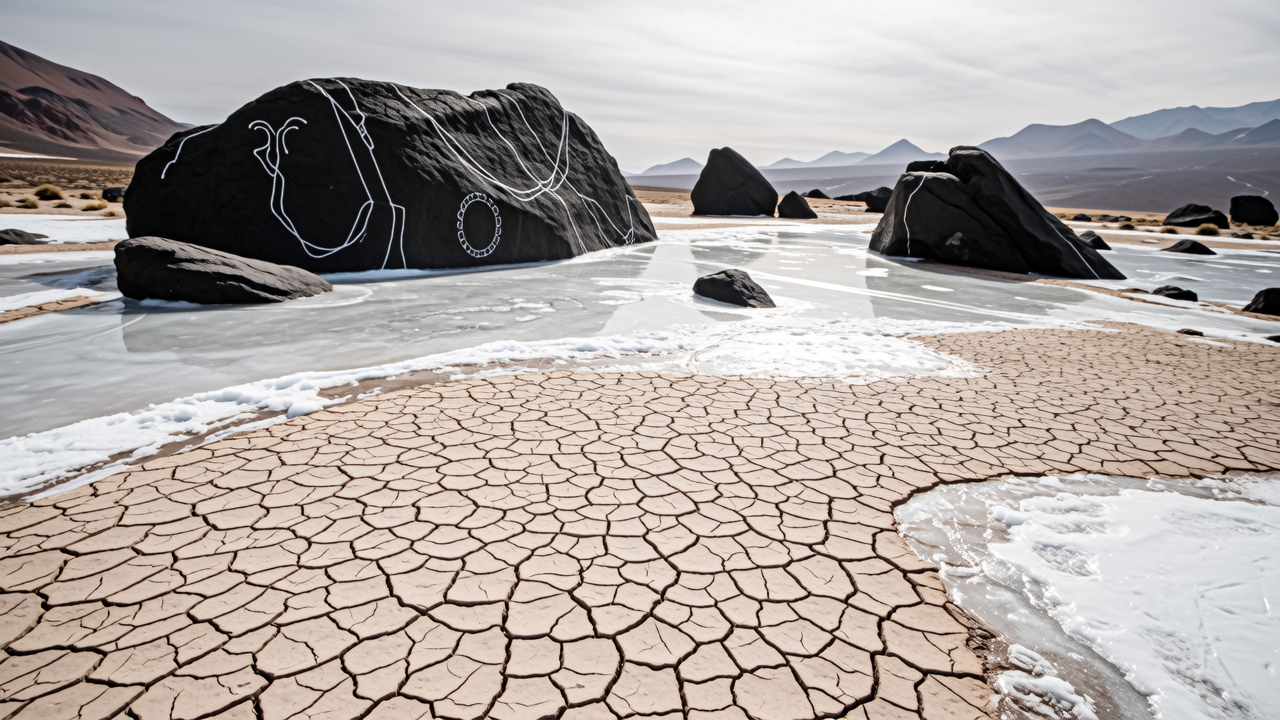
No meio do deserto árido do Vale da Morte, Califórnia, estende-se uma planície seca chamada Racetrack Playa. Sua superfície é plana, rachada e silenciosa — exceto pelas dezenas de grandes pedras espalhadas lá. Algumas pesam até 300 quilogramas. Cada uma deixa rastros retos ou curvos ao longo de dezenas ou até centenas de metros — às vezes virando suavemente, outras vezes retos como linhas de campo. Nenhum sinal de pegadas humanas ou animais. Nenhuma evidência de terremotos ou fluxos de água. Nenhuma prova de atividade mecânica. Desde o primeiro registro no início do século XX, esse movimento tornou-se um enigma geológico inexplorado.
Hipóteses se multiplicaram: ventos fortes poderiam mover as pedras sobre uma superfície lisa; tempestades microscópicas causariam ondas de ar locais; até mesmo especulações sobre campos eletromagnéticos ou seres extraterrestres surgiram em relatos da mídia. No entanto, nenhuma dessas hipóteses pôde ser testada diretamente — pois o movimento nunca foi observado, e os rastros frequentemente parecem 'recentes' sem testemunhas. Mais de 70 anos se passaram sem qualquer registro. Até 2011, o mistério permanecia intacto: as pedras andavam, mas ninguém sabia como.
Registro Direto Após Dois Anos de Espera
Em 2011, uma equipe combinada da Scripps Institution of Oceanography e da NASA instalou GPS de alta precisão e câmeras de intervalo de tempo em 15 pedras em Racetrack Playa. Eles escolheram uma localização estratégica: uma planície plana, livre de vegetação ou obstáculos rochosos, com registros ativos de rastros. Durante dois invernos consecutivos, nenhum movimento foi registrado. Os dados mostraram total estabilidade — até dezembro de 2013.
Em 48 horas após uma forte chuva e neve leve, a temperatura caiu subitamente à noite. A água acumulada na superfície da playa congelou em uma camada de gelo de 2–5 mm. Na manhã seguinte, a luz solar amoleceu a superfície do gelo, enquanto o vento noroeste soprou consistentemente a uma velocidade de 5–10 metros por segundo. As gravações mostraram que os pedaços de gelo se quebraram, aderindo à base das pedras, e depois se moveram lentamente — puxando as pedras consigo sobre uma camada de lama úmida extremamente lisa. O movimento ocorreu entre alguns minutos até duas horas. Mais de 60 pedras se moveram simultaneamente. Velocidade máxima: menos de 0,5 metro por segundo. Distância máxima: 224 metros.
Física Simples, Condições Complexas
A explicação final não é um processo extraordinário — mas uma combinação de condições físicas raras. Primeiro, a chuva deve ser suficiente para inundar a superfície, mas não tão intensa a ponto de arrastar ou submergir as pedras. Segundo, a temperatura noturna deve cair abaixo do ponto de congelamento para formar uma camada fina de gelo — não grossa, nem apenas orvalho congelado. Terceiro, o vento diurno deve ser consistente e forte (cerca de 15 km/h) para mover os pedaços de gelo que estão presos nas pedras, mas não tão forte a ponto de quebrar totalmente o gelo. Quarto, a superfície da playa deve ser lisa e homogênea — lama fina que se seca em um espelho de argila — para minimizar a fricção.
Essa descoberta foi publicada na revista PLOS ONE em julho de 2014. O estudo não apenas confirmou a hipótese do gelo e vento proposta desde a década de 1950, mas também forneceu a primeira evidência empírica. Como declarado no relatório do estudo, "O movimento não exige força extraordinária — apenas sincronização precisa entre clima, superfície e tempo." Questões adicionais ainda estão abertas: por que algumas pedras se movem mais longe ou mais frequentemente? A resposta provavelmente está na forma da base das pedras — pedras com formas planas são mais fáceis de serem "puxadas" pelo gelo — e na sua posição relativa em relação à direção predominante do vento.
Na Terra e Fora da Terra: Rastros que Geram Perguntas
Esse fenômeno não é apenas uma curiosidade local. Rastros semelhantes foram detectados em imagens de satélite em áreas polares de Marte — especialmente nas planícies poeirentas do norte que têm camadas de gelo de dióxido de carbono sazonal. Embora o mecanismo possa ser diferente (o gelo de CO₂ é mais frágil do que o gelo de água), o princípio básico — uma camada de gelo movida pelo vento sobre uma superfície lisa — ainda é relevante. Na Terra, Racetrack Playa se tornou um laboratório natural para compreender como processos microgeológicos podem deixar rastros macroscópicos que persistem por décadas.
O mais impressionante sobre toda essa história não é sua complexidade, mas sua simplicidade. Um mistério de sete décadas foi resolvido não com uma nova teoria, mas com observações cuidadosas de três elementos comuns: água, gelo e vento. Ele nos lembra que a ciência muitas vezes avança não por saltos especulativos, mas pela perseverança em registrar o que realmente acontece — mesmo que isso aconteça apenas uma vez a cada dez anos.
Pedras que Andam na Vale da Morte: O Mistério de 70 Anos Resolvido pelo Gelo Fino e o Vento Fraco. Durante mais de sete décadas, pedras pesadas até 300 kg em Racetrack Playa, Vale da Morte, Estados Unidos, deixavam rastros misteriosos sem explicação. Em 2013, os pesquisadores registraram pela primeira vez o movimento direto: uma camada fina de gelo — formada pela água da chuva que congelou à noite — foi movida por um vento fraco (5–10 m/s), empurrando as pedras sobre a superfície lisa de lama. Esse fenômeno requer uma combinação única de temperatura, umidade e topografia — explicando por que é raro e difícil de observar.. Pedras que Deixam Rastros sem Movimento Visível
No meio do deserto árido do Vale da Morte, Califórnia, estende-se uma planície seca chamada Racetrack Playa. Sua superfície é plana, rachada e silenciosa — exceto pelas dezenas de grandes pedras espalhadas lá. Algumas pesam até 300 quilogramas. Cada uma deixa rastros retos ou curvos ao longo de dezenas ou até centenas de metros — às vezes virando suavemente, outras vezes retos como linhas de campo. Nenhum sinal de pegadas humanas ou animais. Nenhuma evidência de terremotos ou fluxos de água. Nenhuma prova de atividade mecânica. Desde o primeiro registro no início do século XX, esse movimento tornou-se um enigma geológico inexplorado.
Hipóteses se multiplicaram: ventos fortes poderiam mover as pedras sobre uma superfície lisa; tempestades microscópicas causariam ondas de ar locais; até mesmo especulações sobre campos eletromagnéticos ou seres extraterrestres surgiram em relatos da mídia. No entanto, nenhuma dessas hipóteses pôde ser testada diretamente — pois o movimento nunca foi observado, e os rastros frequentemente parecem 'recentes' sem testemunhas. Mais de 70 anos se passaram sem qualquer registro. Até 2011, o mistério permanecia intacto: as pedras andavam, mas ninguém sabia como .
Registro Direto Após Dois Anos de Espera
Em 2011, uma equipe combinada da Scripps Institution of Oceanography e da NASA instalou GPS de alta precisão e câmeras de intervalo de tempo em 15 pedras em Racetrack Playa. Eles escolheram uma localização estratégica: uma planície plana, livre de vegetação ou obstáculos rochosos, com registros ativos de rastros. Durante dois invernos consecutivos, nenhum movimento foi registrado. Os dados mostraram total estabilidade — até dezembro de 2013.
Em 48 horas após uma forte chuva e neve leve, a temperatura caiu subitamente à noite. A água acumulada na superfície da playa congelou em uma camada de gelo de 2–5 mm. Na manhã seguinte, a luz solar amoleceu a superfície do gelo, enquanto o vento noroeste soprou consistentemente a uma velocidade de 5–10 metros por segundo. As gravações mostraram que os pedaços de gelo se quebraram, aderindo à base das pedras, e depois se moveram lentamente — puxando as pedras consigo sobre uma camada de lama úmida extremamente lisa. O movimento ocorreu entre alguns minutos até duas horas. Mais de 60 pedras se moveram simultaneamente. Velocidade máxima: menos de 0,5 metro por segundo. Distância máxima: 224 metros.
Física Simples, Condições Complexas
A explicação final não é um processo extraordinário — mas uma combinação de condições físicas raras. Primeiro, a chuva deve ser suficiente para inundar a superfície, mas não tão intensa a ponto de arrastar ou submergir as pedras. Segundo, a temperatura noturna deve cair abaixo do ponto de congelamento para formar uma camada fina de gelo — não grossa, nem apenas orvalho congelado. Terceiro, o vento diurno deve ser consistente e forte cerca de 15 km/h para mover os pedaços de gelo que estão presos nas pedras, mas não tão forte a ponto de quebrar totalmente o gelo. Quarto, a superfície da playa deve ser lisa e homogênea — lama fina que se seca em um espelho de argila — para minimizar a fricção.
Essa descoberta foi publicada na revista PLOS ONE em julho de 2014. O estudo não apenas confirmou a hipótese do gelo e vento proposta desde a década de 1950, mas também forneceu a primeira evidência empírica. Como declarado no relatório do estudo, "O movimento não exige força extraordinária — apenas sincronização precisa entre clima, superfície e tempo." Questões adicionais ainda estão abertas: por que algumas pedras se movem mais longe ou mais frequentemente? A resposta provavelmente está na forma da base das pedras — pedras com formas planas são mais fáceis de serem "puxadas" pelo gelo — e na sua posição relativa em relação à direção predominante do vento.
Na Terra e Fora da Terra: Rastros que Geram Perguntas
Esse fenômeno não é apenas uma curiosidade local. Rastros semelhantes foram detectados em imagens de satélite em áreas polares de Marte — especialmente nas planícies poeirentas do norte que têm camadas de gelo de dióxido de carbono sazonal. Embora o mecanismo possa ser diferente o gelo de CO₂ é mais frágil do que o gelo de água , o princípio básico — uma camada de gelo movida pelo vento sobre uma superfície lisa — ainda é relevante. Na Terra, Racetrack Playa se tornou um laboratório natural para compreender como processos microgeológicos podem deixar rastros macroscópicos que persistem por décadas.
O mais impressionante sobre toda essa história não é sua complexidade, mas sua simplicidade. Um mistério de sete décadas foi resolvido não com uma nova teoria, mas com observações cuidadosas de três elementos comuns: água, gelo e vento. Ele nos lembra que a ciência muitas vezes avança não por saltos especulativos, mas pela perseverança em registrar o que realmente acontece — mesmo que isso aconteça apenas uma vez a cada dez anos.