Mekanika kuantum adalah cabang fisika yang paling aneh dan paling sukses yang pernah dikembangkan manusia. Prediksi-prediksi nya telah diverifikasi dengan ketepatan luar biasa dalam ribuan eksperimen, namun implikasi filosofinya masih membingungkan para ahli fisika dan filsuf. Salah satu prinsip paling aneh adalah superposisi kuantum.
Dalam dunia klasik yang kita kenal, objek selalu berada dalam satu keadaan tertentu — sebuah koin adalah gambar atau angka, bukan keduanya sekaligus. Namun dalam dunia kuantum, partikel-partikel seperti elektron bisa berada dalam superposisi keadaan — gabungan matematika dua atau lebih keadaan berbeda sekaligus. Elektron bisa berada dalam superposisi 'spin atas' dan 'spin bawah' secara bersamaan.
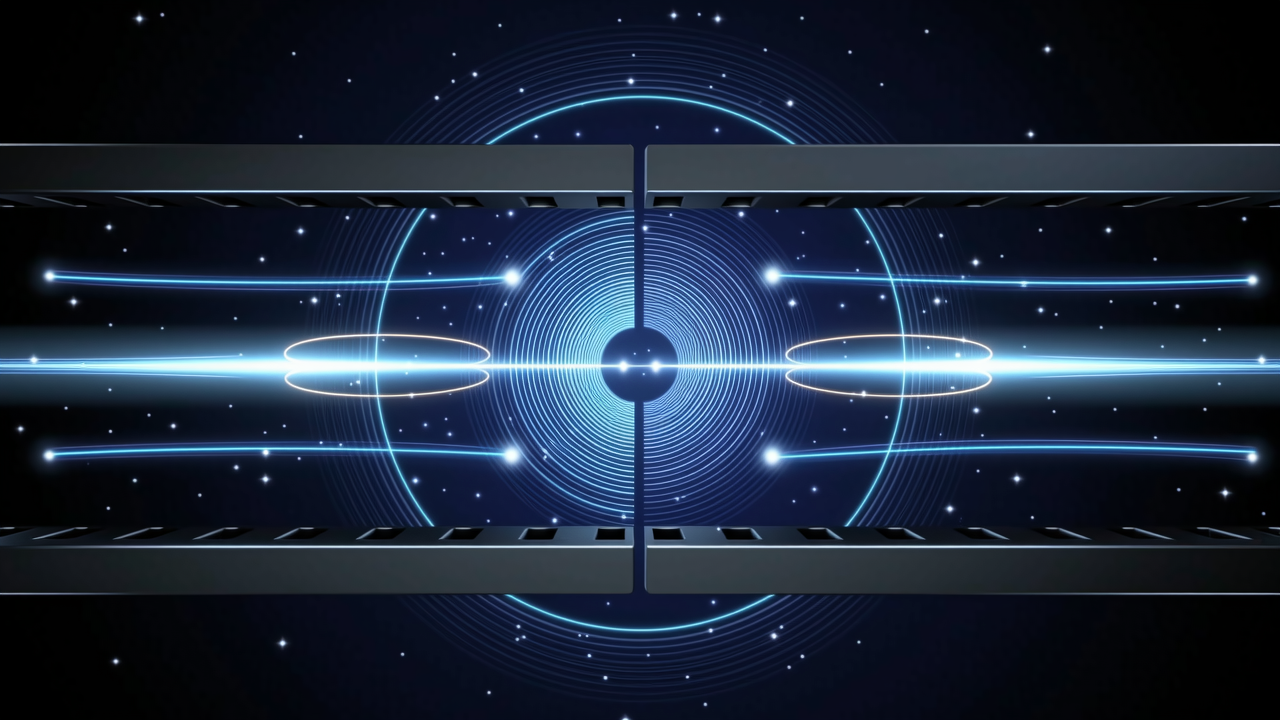
Eksperimen celah ganda yang terkenal menunjukkan ini secara visual. Ketika elektron atau foton ditembak satu per satu melalui dua celah, pola interferensi gelombang terbentuk di dinding di belakang — artinya setiap partikel secara efektif melewati kedua celah sekaligus dalam keadaan superposisi. Namun ketika detektor dipasang untuk melihat melalui celah mana partikel melewati, pola interferensi menghilang dan partikel berperilaku seperti peluru klasik.
Proses di mana superposisi 'runtuh' menjadi satu keadaan tertentu ketika diukur disebut 'pengurangan gelombang' dan merupakan salah satu hal yang paling sering diperdebatkan dalam fisika modern. Interpretasi Copenhagen klasik menyatakan bahwa partikel tidak memiliki sifat tertentu sebelum diukur — ia hanya memiliki kemungkinan. Saat ini, komputer kuantum memanfaatkan superposisi ini untuk melakukan perhitungan yang mustahil bagi komputer klasik.
🔬 Fakta Sains #34: Cahaya Kuantum Bisa Berada di Dua Tempat Sekaligus — Prinsip Superposisi. Dalam dunia subatomik, partikel-partikel seperti elektron dan foton bisa berada dalam superposisi keadaan — berada di dua tempat atau keadaan sekaligus — sehingga ketika diukur, mereka 'memilih' satu keadaan.. Mekanika kuantum adalah cabang fisika yang paling aneh dan paling sukses yang pernah dikembangkan manusia. Prediksi-prediksi nya telah diverifikasi dengan ketepatan luar biasa dalam ribuan eksperimen, namun implikasi filosofinya masih membingungkan para ahli fisika dan filsuf. Salah satu prinsip paling aneh adalah superposisi kuantum.
Dalam dunia klasik yang kita kenal, objek selalu berada dalam satu keadaan tertentu — sebuah koin adalah gambar atau angka, bukan keduanya sekaligus. Namun dalam dunia kuantum, partikel-partikel seperti elektron bisa berada dalam superposisi keadaan — gabungan matematika dua atau lebih keadaan berbeda sekaligus. Elektron bisa berada dalam superposisi 'spin atas' dan 'spin bawah' secara bersamaan.
Eksperimen celah ganda yang terkenal menunjukkan ini secara visual. Ketika elektron atau foton ditembak satu per satu melalui dua celah, pola interferensi gelombang terbentuk di dinding di belakang — artinya setiap partikel secara efektif melewati kedua celah sekaligus dalam keadaan superposisi. Namun ketika detektor dipasang untuk melihat melalui celah mana partikel melewati, pola interferensi menghilang dan partikel berperilaku seperti peluru klasik.
Proses di mana superposisi 'runtuh' menjadi satu keadaan tertentu ketika diukur disebut 'pengurangan gelombang' dan merupakan salah satu hal yang paling sering diperdebatkan dalam fisika modern. Interpretasi Copenhagen klasik menyatakan bahwa partikel tidak memiliki sifat tertentu sebelum diukur — ia hanya memiliki kemungkinan. Saat ini, komputer kuantum memanfaatkan superposisi ini untuk melakukan perhitungan yang mustahil bagi komputer klasik.