Introduction
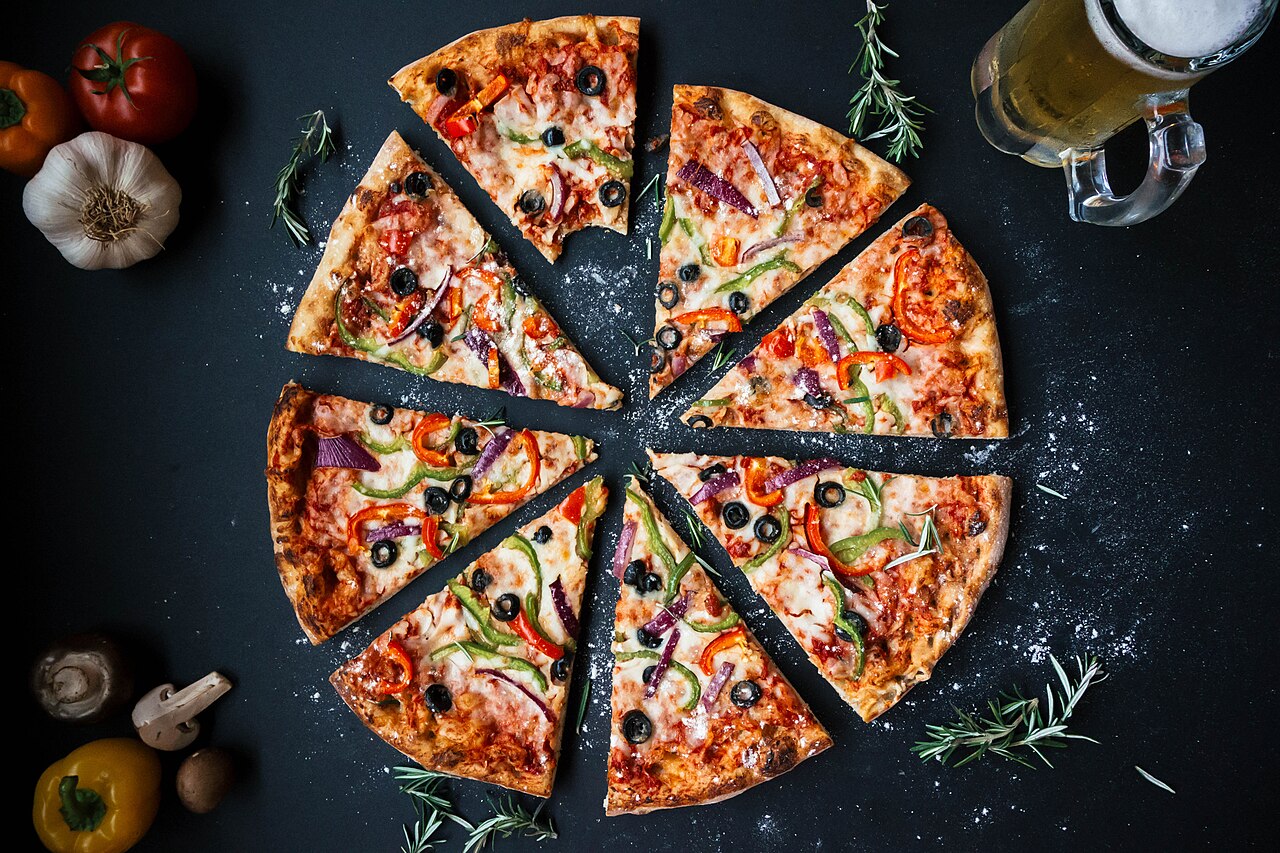
Pizza is a traditional Italian dish that has become a global phenomenon. It consists of a flattened wheat dough, topped with tomato sauce, cheese (usually mozzarella), and various other ingredients such as meat, vegetables, and herbs. Pizza is baked at high temperatures, traditionally in wood-fired ovens. This dish was recognized by UNESCO as an intangible cultural heritage in 2017.
History
The earliest record of the word 'pizza' was found in a Latin manuscript from 997 AD in Gaeta, southern Italy. The document mentions the payment of twelve pizzas, pork shoulder, and pig kidneys on Christmas Day. However, food resembling pizza has existed since ancient times. Persian soldiers in the 6th century BC baked flatbread with cheese and dates on their shields. Ancient Greeks also added oil, herbs, and cheese to their bread.
Modern pizza developed in Naples in the 18th or early 19th century. Initially, pizza was sold in pizzerias without seating. Around 1830, pizzerias in Naples began offering tables for customers. A popular legend states that the Margherita pizza was created in 1889 by Raffaele Esposito to honor the visit of Queen Margherita. The pizza used red tomatoes, white mozzarella, and green basil, representing the colors of the Italian flag. However, later studies have questioned the authenticity of this legend.
Pizza was brought to the United States by Italian immigrants in the late 19th century. The first pizzeria in the US, Lombardi's, opened in New York City in 1905. From there, pizza spread around the world. In the United Kingdom, pizza became popular after World War II when Italian immigrants opened restaurants. Peter Boizot opened PizzaExpress in London in 1965.
Preparation
Pizza can be bought fresh or frozen, whole or by the slice. There are various preparation methods, including ready-to-bake pizza (take and bake). The basic ingredients include dough, sauce, and cheese. Pizza dough is usually left to rise. After that, the dough is shaped by hand or machine, then topped.
Baking pizza is usually done in brick ovens, electric ovens, conveyor ovens, or traditional wood-fired ovens. Pizza is placed on a 'peel' (a long shovel) and slid into the oven. At home, pizza can be baked on a pizza stone in a regular oven. Some cooks use wood-fired ovens outdoors. Other variations include grilled pizza on a barbecue grill.
Crust and Cheese
Pizza crusts can be thin like Neapolitan pizza or thick like Chicago pizza. The outer edge of the crust is known as the cornicione. Pizza dough sometimes contains sugar to help the yeast rise and give the crust a brown color.
The most common cheese used is mozzarella, especially buffalo mozzarella from Naples. Other cheeses include burrata, Gorgonzola, provolone, pecorino romano, ricotta, and scamorza. For mass markets, cheaper processed cheeses have been developed to produce consistent characteristics such as browning, melting, and chewiness.
Varieties and Styles
There are many varieties of pizza around the world. In Italy, traditional pizzas include Pizza Marinara (without cheese), Pizza Margherita, Pizza Capricciosa, Pizza Quattro Stagioni, and Pizza Quattro Formaggi. Italian styles also include Calzone (folded pizza) and Panzerotti (fried).
In the United States, different pizza styles emerged, such as New York-style pizza (thin, foldable crust), Chicago-style pizza (thick crust like pie), Detroit-style pizza (square with melted cheese on the edge), and California-style pizza (non-traditional toppings). Argentina is famous for pizza de molde (thick crust and span) which originated from Italian immigrants who used baking pans.
Popularity and Consumption
Pizza is one of the most popular foods in the world. In 2017, the global pizza market was worth $128 billion, with $44 billion in the United States alone. 13% of Americans eat pizza on any given day. However, mass-produced pizza is often criticized for its high salt, fat, and calorie content. USDA reported an average sodium content of 5,100 mg for a 14-inch pizza from fast-food chains.
Similar Dishes
There are several dishes similar to pizza, such as Focaccia (flat Italian bread), Calzone (folded pizza), Stromboli (rolled pizza), and Coca (Catalan dish). In Turkey, İçli pide is also known as 'Turkish pizza'.
Conclusion
Pizza has evolved from a street food of Naples to a global culinary icon. With various varieties and styles, pizza continues to be a favorite of many. Whether traditional or modern, pizza remains a beloved and enjoyed dish around the world.
---
Original source: en.wikipedia.org
Pizza: History, Varieties, and the Global Popularity of the Italian Dish. Pizza is an Italian dish consisting of a leavened flatbread base with tomato sauce, cheese, and various other toppings. Known since the 10th century, modern pizza originated from Naples and has now become an iconic food worldwide with various regional variations.. Introduction
Pizza is a traditional Italian dish that has become a global phenomenon. It consists of a flattened wheat dough, topped with tomato sauce, cheese usually mozzarella , and various other ingredients such as meat, vegetables, and herbs. Pizza is baked at high temperatures, traditionally in wood-fired ovens. This dish was recognized by UNESCO as an intangible cultural heritage in 2017.
History
The earliest record of the word 'pizza' was found in a Latin manuscript from 997 AD in Gaeta, southern Italy. The document mentions the payment of twelve pizzas, pork shoulder, and pig kidneys on Christmas Day. However, food resembling pizza has existed since ancient times. Persian soldiers in the 6th century BC baked flatbread with cheese and dates on their shields. Ancient Greeks also added oil, herbs, and cheese to their bread.
Modern pizza developed in Naples in the 18th or early 19th century. Initially, pizza was sold in pizzerias without seating. Around 1830, pizzerias in Naples began offering tables for customers. A popular legend states that the Margherita pizza was created in 1889 by Raffaele Esposito to honor the visit of Queen Margherita. The pizza used red tomatoes, white mozzarella, and green basil, representing the colors of the Italian flag. However, later studies have questioned the authenticity of this legend.
Pizza was brought to the United States by Italian immigrants in the late 19th century. The first pizzeria in the US, Lombardi's, opened in New York City in 1905. From there, pizza spread around the world. In the United Kingdom, pizza became popular after World War II when Italian immigrants opened restaurants. Peter Boizot opened PizzaExpress in London in 1965.
Preparation
Pizza can be bought fresh or frozen, whole or by the slice. There are various preparation methods, including ready-to-bake pizza take and bake . The basic ingredients include dough, sauce, and cheese. Pizza dough is usually left to rise. After that, the dough is shaped by hand or machine, then topped.
Baking pizza is usually done in brick ovens, electric ovens, conveyor ovens, or traditional wood-fired ovens. Pizza is placed on a 'peel' a long shovel and slid into the oven. At home, pizza can be baked on a pizza stone in a regular oven. Some cooks use wood-fired ovens outdoors. Other variations include grilled pizza on a barbecue grill.
Crust and Cheese
Pizza crusts can be thin like Neapolitan pizza or thick like Chicago pizza. The outer edge of the crust is known as the cornicione. Pizza dough sometimes contains sugar to help the yeast rise and give the crust a brown color.
The most common cheese used is mozzarella, especially buffalo mozzarella from Naples. Other cheeses include burrata, Gorgonzola, provolone, pecorino romano, ricotta, and scamorza. For mass markets, cheaper processed cheeses have been developed to produce consistent characteristics such as browning, melting, and chewiness.
Varieties and Styles
There are many varieties of pizza around the world. In Italy, traditional pizzas include Pizza Marinara without cheese , Pizza Margherita, Pizza Capricciosa, Pizza Quattro Stagioni, and Pizza Quattro Formaggi. Italian styles also include Calzone folded pizza and Panzerotti fried .
In the United States, different pizza styles emerged, such as New York-style pizza thin, foldable crust , Chicago-style pizza thick crust like pie , Detroit-style pizza square with melted cheese on the edge , and California-style pizza non-traditional toppings . Argentina is famous for pizza de molde thick crust and span which originated from Italian immigrants who used baking pans.
Popularity and Consumption
Pizza is one of the most popular foods in the world. In 2017, the global pizza market was worth $128 billion, with $44 billion in the United States alone. 13% of Americans eat pizza on any given day. However, mass-produced pizza is often criticized for its high salt, fat, and calorie content. USDA reported an average sodium content of 5,100 mg for a 14-inch pizza from fast-food chains.
Similar Dishes
There are several dishes similar to pizza, such as Focaccia flat Italian bread , Calzone folded pizza , Stromboli rolled pizza , and Coca Catalan dish . In Turkey, İçli pide is also known as 'Turkish pizza'.
Conclusion
Pizza has evolved from a street food of Naples to a global culinary icon. With various varieties and styles, pizza continues to be a favorite of many. Whether traditional or modern, pizza remains a beloved and enjoyed dish around the world.
---
Original source: en.wikipedia.org https://en.wikipedia.org/wiki/Pizza