🌍 Global coverage 24/7 • 🏯 East Asia: China, Japan, Korea • 🛕 South Asia: India • 🏰 Europe • 🗽 Americas • 🌍 Africa • 🕌 Middle East • 🇵🇸 Palestine Solidarity •
This article is a translation from the original language.
🌍 World
South Africa: A Bridge of Civilizations at the Southern Tip
South Africa, located at the southern tip of Africa, is a country rich in geographical, historical, and cultural diversity. With three distinct capitals—Pretoria, Cape Town, and Bloemfontein—this country stands out as an administrative, legislative, and judicial center. Inhabited by modern humans for over 100,000 years, South Africa offers dramatic landscapes from coasts to savannas, along with a complex legacy from the pre-colonial era to apartheid. This article delves deeply into the country that has become a symbol of struggle and hope.
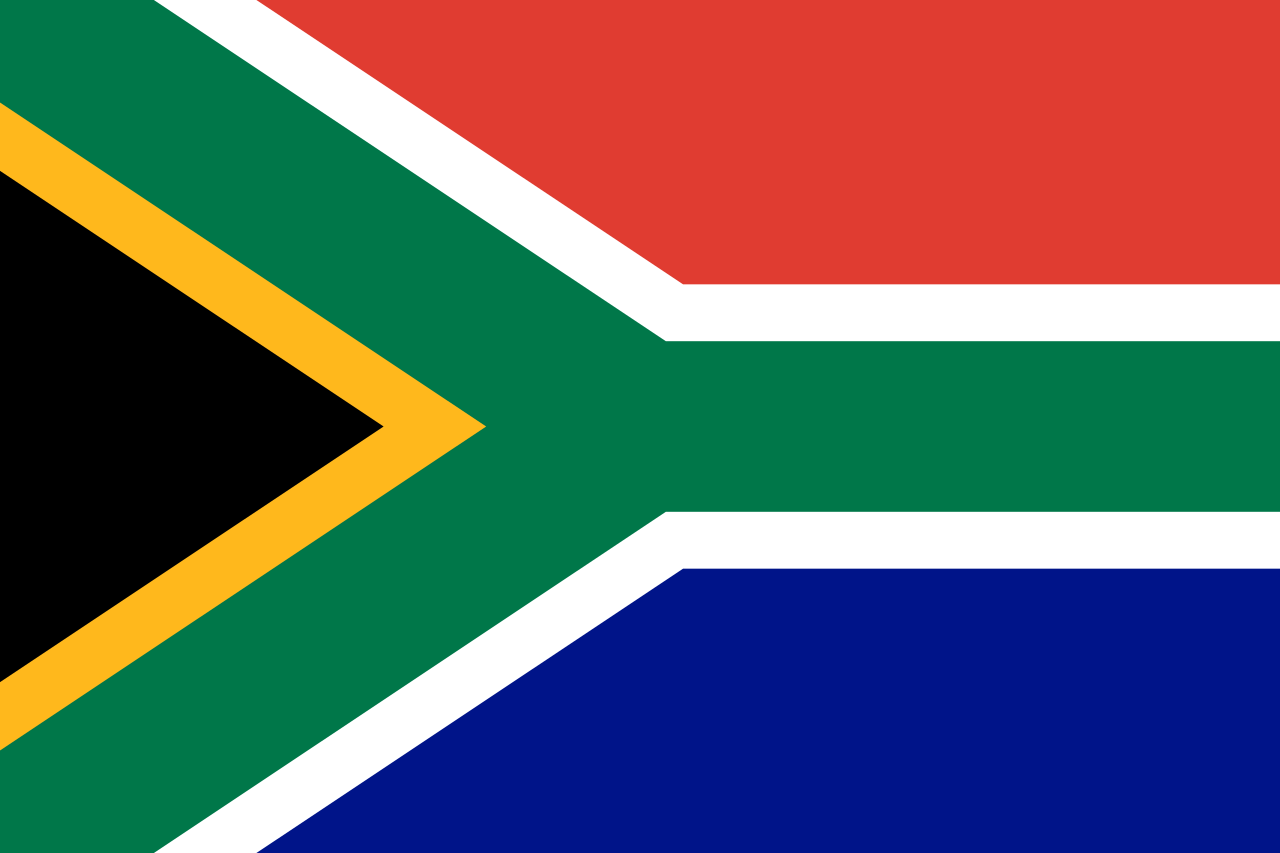
Image: Foto: Wikipedia — South Africa (CC BY-SA 4.0)
AI
Introduction: The Jewel at the Southern Tip of Africa
South Africa, officially known as the Republic of South Africa (RSA), is a country located at the southern tip of the African continent. With an area of 1,221,037 square kilometers—approximately twice the size of the Malay Peninsula—it is home to more than 63 million people, making it the sixth most populous country in Africa. The uniqueness of South Africa lies not only in its strategic location at the crossroads of the Atlantic and Indian Oceans but also in its extraordinary administrative system: it has three different capitals for three branches of government. Pretoria serves as the administrative capital, Cape Town as the legislative capital (where parliament convenes), and Bloemfontein as the judicial capital. This reflects a commitment to power balance rarely seen in other countries.
Ancient History to Colonization: Traces of Humanity
Archaeological discoveries indicate that various hominid species have existed in South Africa since about 2.5 million years ago. Modern humans, Homo sapiens, are believed to have inhabited this region for more than 100,000 years. The first indigenous inhabitants were the Khoisan, a group of hunter-gatherers and pastoralists who left behind a unique linguistic and cultural heritage. Later, Bantu-speaking groups migrated in waves from the west and north of Africa, bringing with them agricultural skills and ironworking techniques. This migration formed the basis of the ethnic diversity we see today, including the Zulu, Xhosa, and Sotho. When European colonizers, particularly the Dutch and British, arrived in the 17th century, they found a land already rich with complex civilizations. This led to land conflicts, wars, and ultimately the oppressive apartheid system, which left deep scars in the country's history.
Geography and Biodiversity: From Coasts to Savannas
South Africa is endowed with a coastline of 2,798 kilometers stretching from the Atlantic Ocean in the west to the Indian Ocean in the east. This results in a diverse climate: from arid areas in the Karoo to subtropical rainforests in KwaZulu-Natal. Among the most famous natural attractions are Kruger National Park, one of the largest wildlife reserves in Africa, and Table Mountain in Cape Town, an iconic symbol. In surrounding waters, the cold Benguela current from the Atlantic and the warm Agulhas current from the Indian Ocean create a rich marine ecosystem, supporting species such as great white sharks and African penguins. This biodiversity makes South Africa one of the 17 countries with the highest biological diversity in the world.
Socioeconomics and Major Cities: The Pulse of Modernity
Johannesburg, often called Jo'burg, is the largest and most populous city in South Africa, as well as the economic hub of the country. It is known as the 'City of Gold' due to the discovery of gold in the 19th century, which sparked a gold rush and rapid development. Today, Johannesburg is a financial and business hub, yet it still faces challenges such as economic inequality and high crime rates. Cape Town, the second-largest city, is a major tourist destination known for its beautiful beaches, multicultural culture, and Dutch colonial history. Durban, the third-largest city, stands out with the busiest port in Africa and a strong Indian cultural influence. These three cities represent the pulse of modern South Africa, yet they still grapple with the legacy of apartheid in the form of spatial and economic segregation.
Culture and Diversity: A Human Mosaic
South Africa is often called the 'Rainbow Nation,' a term popularized by Nelson Mandela after the fall of apartheid. This term refers to the harmonious coexistence of ethnic, linguistic, and cultural diversity—although not without tensions. There are 11 official languages, including Zulu, Xhosa, Afrikaans, English, and Sotho, reflecting the richness of the country's linguistic heritage. In the field of art, South African music such as kwaito and maskandi has crossed into global markets, while literature has produced figures like Nadine Gordimer and J.M. Coetzee, who have won Nobel Prizes. Traditional street food such as biltong (dried meat) and boerewors (spicy sausage) are among the dishes that attract tourists. Although national celebrations such as Heritage Day on September 24 celebrate diversity, issues of racism and economics remain major challenges in building a strong national identity.
Reflections and the Future: Lessons from the Southern Tip
South Africa offers valuable lessons about human resilience and the ability to change. From the dark days of apartheid to the era of democracy, the country has proven that unity can be achieved even in diversity. However, challenges such as poverty, high unemployment, and deep-rooted inequality continue to test the spirit of the 'Rainbow Nation.' For example, although the country's constitution is among the most progressive in the world, the reality of life for the majority of black citizens remains far from ideal. Reflective questions we can consider: What can the world learn from South Africa's experience in managing diversity? And how can the country continue its struggle for social justice without sacrificing economic stability?
Conclusion: A Country That Keeps Growing
South Africa is not just a country on the map; it is a symbol of struggle, diversity, and hope. With its breathtaking landscapes, complex history, and diverse society, the country continues to be an intriguing subject for anyone interested in understanding the dynamics of human civilization. Whether through virtual travel or in-depth reading, South Africa invites us to reflect on the meaning of justice, unity, and survival. For news portals like ours, conveying this story is a responsibility to educate and inspire.
South Africa: A Bridge of Civilizations at the Southern Tip. South Africa, located at the southern tip of Africa, is a country rich in geographical, historical, and cultural diversity. With three distinct capitals—Pretoria, Cape Town, and Bloemfontein—this country stands out as an administrative, legislative, and judicial center. Inhabited by modern humans for over 100,000 years, South Africa offers dramatic landscapes from coasts to savannas, along with a complex legacy from the pre-colonial era to apartheid. This article delves deeply into the country that has become a symbol of struggle and hope.. Introduction: The Jewel at the Southern Tip of Africa
South Africa, officially known as the Republic of South Africa RSA , is a country located at the southern tip of the African continent. With an area of 1,221,037 square kilometers—approximately twice the size of the Malay Peninsula—it is home to more than 63 million people, making it the sixth most populous country in Africa. The uniqueness of South Africa lies not only in its strategic location at the crossroads of the Atlantic and Indian Oceans but also in its extraordinary administrative system: it has three different capitals for three branches of government. Pretoria serves as the administrative capital, Cape Town as the legislative capital where parliament convenes , and Bloemfontein as the judicial capital. This reflects a commitment to power balance rarely seen in other countries.
Ancient History to Colonization: Traces of Humanity
Archaeological discoveries indicate that various hominid species have existed in South Africa since about 2.5 million years ago. Modern humans, Homo sapiens, are believed to have inhabited this region for more than 100,000 years. The first indigenous inhabitants were the Khoisan, a group of hunter-gatherers and pastoralists who left behind a unique linguistic and cultural heritage. Later, Bantu-speaking groups migrated in waves from the west and north of Africa, bringing with them agricultural skills and ironworking techniques. This migration formed the basis of the ethnic diversity we see today, including the Zulu, Xhosa, and Sotho. When European colonizers, particularly the Dutch and British, arrived in the 17th century, they found a land already rich with complex civilizations. This led to land conflicts, wars, and ultimately the oppressive apartheid system, which left deep scars in the country's history.
Geography and Biodiversity: From Coasts to Savannas
South Africa is endowed with a coastline of 2,798 kilometers stretching from the Atlantic Ocean in the west to the Indian Ocean in the east. This results in a diverse climate: from arid areas in the Karoo to subtropical rainforests in KwaZulu-Natal. Among the most famous natural attractions are Kruger National Park, one of the largest wildlife reserves in Africa, and Table Mountain in Cape Town, an iconic symbol. In surrounding waters, the cold Benguela current from the Atlantic and the warm Agulhas current from the Indian Ocean create a rich marine ecosystem, supporting species such as great white sharks and African penguins. This biodiversity makes South Africa one of the 17 countries with the highest biological diversity in the world.
Socioeconomics and Major Cities: The Pulse of Modernity
Johannesburg, often called Jo'burg, is the largest and most populous city in South Africa, as well as the economic hub of the country. It is known as the 'City of Gold' due to the discovery of gold in the 19th century, which sparked a gold rush and rapid development. Today, Johannesburg is a financial and business hub, yet it still faces challenges such as economic inequality and high crime rates. Cape Town, the second-largest city, is a major tourist destination known for its beautiful beaches, multicultural culture, and Dutch colonial history. Durban, the third-largest city, stands out with the busiest port in Africa and a strong Indian cultural influence. These three cities represent the pulse of modern South Africa, yet they still grapple with the legacy of apartheid in the form of spatial and economic segregation.
Culture and Diversity: A Human Mosaic
South Africa is often called the 'Rainbow Nation,' a term popularized by Nelson Mandela after the fall of apartheid. This term refers to the harmonious coexistence of ethnic, linguistic, and cultural diversity—although not without tensions. There are 11 official languages, including Zulu, Xhosa, Afrikaans, English, and Sotho, reflecting the richness of the country's linguistic heritage. In the field of art, South African music such as kwaito and maskandi has crossed into global markets, while literature has produced figures like Nadine Gordimer and J.M. Coetzee, who have won Nobel Prizes. Traditional street food such as biltong dried meat and boerewors spicy sausage are among the dishes that attract tourists. Although national celebrations such as Heritage Day on September 24 celebrate diversity, issues of racism and economics remain major challenges in building a strong national identity.
Reflections and the Future: Lessons from the Southern Tip
South Africa offers valuable lessons about human resilience and the ability to change. From the dark days of apartheid to the era of democracy, the country has proven that unity can be achieved even in diversity. However, challenges such as poverty, high unemployment, and deep-rooted inequality continue to test the spirit of the 'Rainbow Nation.' For example, although the country's constitution is among the most progressive in the world, the reality of life for the majority of black citizens remains far from ideal. Reflective questions we can consider: What can the world learn from South Africa's experience in managing diversity? And how can the country continue its struggle for social justice without sacrificing economic stability?
Conclusion: A Country That Keeps Growing
South Africa is not just a country on the map; it is a symbol of struggle, diversity, and hope. With its breathtaking landscapes, complex history, and diverse society, the country continues to be an intriguing subject for anyone interested in understanding the dynamics of human civilization. Whether through virtual travel or in-depth reading, South Africa invites us to reflect on the meaning of justice, unity, and survival. For news portals like ours, conveying this story is a responsibility to educate and inspire.
Reference: South Africa — Wikipedia https://en.wikipedia.org/wiki/South Africa