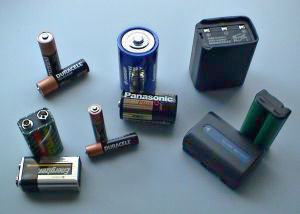
Batteries: More Than Just a Power Source
Imagine a world without batteries. No smartphones, no electric cars, no heart pacemakers. Difficult, isn't it? Electric batteries have become the lifeblood of our modern lives. But what exactly are batteries? In short, a battery is an electrical power source consisting of one or more electrochemical cells. Each cell has two terminals: positive (cathode) and negative (anode). When a battery is used, electrons flow from the negative terminal to the positive terminal through an external circuit, generating an electric current. This process involves a redox reaction, where high-energy reactants are converted into low-energy products, and the difference in free energy is sent to the circuit as electrical energy.
Brief History: From Volta's Pile to Lithium-Ion
The history of batteries began in 1800 when Alessandro Volta created the 'Voltaic pile'—a stack of copper and zinc disks separated by cloth soaked in saltwater. This was the first battery in the world. The term 'battery' originally referred to a device consisting of multiple cells, but now it refers to any electrochemical device, whether one cell or more. Subsequent developments include lead-acid batteries in 1859, dry batteries in the 1880s, and most importantly, lithium-ion batteries in 1991, which revolutionized portable electronics. Without this discovery, we might still be using brick-sized mobile phones.
How Do Batteries Work? A Chemical Exploration
To understand batteries, we need to look inside the cell. Each electrochemical cell has three main components: anode (negative electrode), cathode (positive electrode), and electrolyte (medium that allows ions to move). When a battery is connected to a load, such as a light bulb, the anode releases electrons that flow through the external circuit to the cathode. At the same time, positive ions (cations) move through the electrolyte from the anode to the cathode, completing the circuit. This chemical reaction converts chemical energy into electrical energy. This is the miracle of chemistry that happens every time you turn on a flashlight.
Types of Batteries: Single-Use vs Rechargeable
There are two main categories of batteries: primary and secondary. Primary batteries, like alkaline batteries in remote controls, can only be used once. After discharge, the electrodes undergo permanent changes, making them non-rechargeable. They are simple and inexpensive, but they generate a lot of waste.
Secondary batteries, or rechargeable batteries, are a more sustainable choice. Popular examples include nickel-cadmium (NiCd), nickel-metal hydride (NiMH), and lithium-ion (Li-ion) batteries. Li-ion batteries, used in smartphones and electric cars, have high energy density, are lightweight, and can be recharged hundreds of times. However, they also have drawbacks such as the risk of overheating and requiring advanced battery management systems.
Real-World Applications: From Daily Life to Space Missions
Batteries are everywhere. In daily life, they power watches, hearing aids, and laptops. In the transportation sector, Li-ion batteries drive electric vehicles like Tesla and Nissan Leaf. In the medical field, small and reliable batteries power heart pacemakers and hearing aids. Even in space, batteries are used in satellites and spacecraft to store solar energy. An interesting example: the Perseverance rover on Mars uses lithium-ion batteries to operate in extreme temperatures.
The Future of Batteries: Challenges and Innovations
Although batteries have advanced, there are still major challenges. Lithium-ion batteries rely on lithium and cobalt, resources that are limited and ethically and environmentally problematic. Additionally, energy density is still insufficient for long-range electric flight. Scientists are now racing to develop solid-state batteries, sodium-ion batteries, and flow batteries that are safer, cheaper, and longer-lasting. If successful, we may see electric airplanes, battery-powered power grids, and a world less dependent on fossil fuels.
Life Implications: Are We Ready for the Battery Revolution?
Batteries are not just technology; they are drivers of social change. With the rise of electric vehicles, we reduce carbon emissions. With home batteries like the Tesla Powerwall, we can store solar energy for nighttime use. However, battery production also leaves a carbon footprint and toxic waste. Reflective question: Are we ready to recycle millions of used batteries? How do we ensure that raw material sources do not exploit workers? A bright future requires a balance between innovation and responsibility.
Conclusion
Electric batteries are one of the most important inventions in human history. From Volta's first spark to today's compact lithium-ion batteries, they have transformed the way we work, communicate, and move. Whether you are a student, engineer, or regular user, understanding batteries is the first step to appreciating the energy that powers the world. Perhaps one day, we will see greener, stronger, and fairer batteries.
Electric Batteries: The Hidden Power Source Transforming the World. Electric batteries are devices that store and supply electrical energy through chemical reactions. From flashlights to electric vehicles, batteries have revolutionized the way we live. This article explores the history, working principles, types of batteries, and their impact on the future of energy.. Batteries: More Than Just a Power Source
Imagine a world without batteries. No smartphones, no electric cars, no heart pacemakers. Difficult, isn't it? Electric batteries have become the lifeblood of our modern lives. But what exactly are batteries? In short, a battery is an electrical power source consisting of one or more electrochemical cells. Each cell has two terminals: positive cathode and negative anode . When a battery is used, electrons flow from the negative terminal to the positive terminal through an external circuit, generating an electric current. This process involves a redox reaction, where high-energy reactants are converted into low-energy products, and the difference in free energy is sent to the circuit as electrical energy.
Brief History: From Volta's Pile to Lithium-Ion
The history of batteries began in 1800 when Alessandro Volta created the 'Voltaic pile'—a stack of copper and zinc disks separated by cloth soaked in saltwater. This was the first battery in the world. The term 'battery' originally referred to a device consisting of multiple cells, but now it refers to any electrochemical device, whether one cell or more. Subsequent developments include lead-acid batteries in 1859, dry batteries in the 1880s, and most importantly, lithium-ion batteries in 1991, which revolutionized portable electronics. Without this discovery, we might still be using brick-sized mobile phones.
How Do Batteries Work? A Chemical Exploration
To understand batteries, we need to look inside the cell. Each electrochemical cell has three main components: anode negative electrode , cathode positive electrode , and electrolyte medium that allows ions to move . When a battery is connected to a load, such as a light bulb, the anode releases electrons that flow through the external circuit to the cathode. At the same time, positive ions cations move through the electrolyte from the anode to the cathode, completing the circuit. This chemical reaction converts chemical energy into electrical energy. This is the miracle of chemistry that happens every time you turn on a flashlight.
Types of Batteries: Single-Use vs Rechargeable
There are two main categories of batteries: primary and secondary. Primary batteries, like alkaline batteries in remote controls, can only be used once. After discharge, the electrodes undergo permanent changes, making them non-rechargeable. They are simple and inexpensive, but they generate a lot of waste.
Secondary batteries, or rechargeable batteries, are a more sustainable choice. Popular examples include nickel-cadmium NiCd , nickel-metal hydride NiMH , and lithium-ion Li-ion batteries. Li-ion batteries, used in smartphones and electric cars, have high energy density, are lightweight, and can be recharged hundreds of times. However, they also have drawbacks such as the risk of overheating and requiring advanced battery management systems.
Real-World Applications: From Daily Life to Space Missions
Batteries are everywhere. In daily life, they power watches, hearing aids, and laptops. In the transportation sector, Li-ion batteries drive electric vehicles like Tesla and Nissan Leaf. In the medical field, small and reliable batteries power heart pacemakers and hearing aids. Even in space, batteries are used in satellites and spacecraft to store solar energy. An interesting example: the Perseverance rover on Mars uses lithium-ion batteries to operate in extreme temperatures.
The Future of Batteries: Challenges and Innovations
Although batteries have advanced, there are still major challenges. Lithium-ion batteries rely on lithium and cobalt, resources that are limited and ethically and environmentally problematic. Additionally, energy density is still insufficient for long-range electric flight. Scientists are now racing to develop solid-state batteries, sodium-ion batteries, and flow batteries that are safer, cheaper, and longer-lasting. If successful, we may see electric airplanes, battery-powered power grids, and a world less dependent on fossil fuels.
Life Implications: Are We Ready for the Battery Revolution?
Batteries are not just technology; they are drivers of social change. With the rise of electric vehicles, we reduce carbon emissions. With home batteries like the Tesla Powerwall, we can store solar energy for nighttime use. However, battery production also leaves a carbon footprint and toxic waste. Reflective question: Are we ready to recycle millions of used batteries? How do we ensure that raw material sources do not exploit workers? A bright future requires a balance between innovation and responsibility.
Conclusion
Electric batteries are one of the most important inventions in human history. From Volta's first spark to today's compact lithium-ion batteries, they have transformed the way we work, communicate, and move. Whether you are a student, engineer, or regular user, understanding batteries is the first step to appreciating the energy that powers the world. Perhaps one day, we will see greener, stronger, and fairer batteries.