Shadows on the Banks of the Kasai River
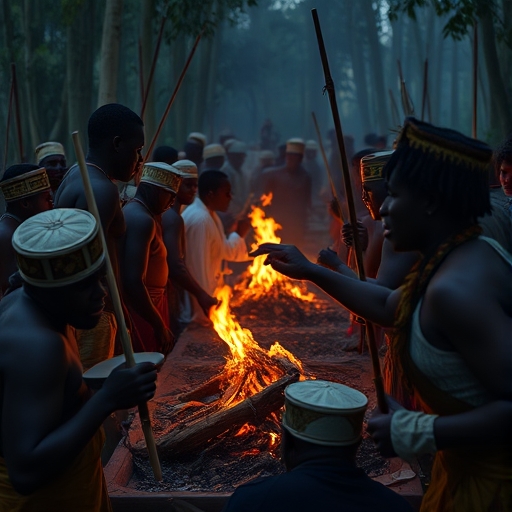
As the sun sets over the Kasai River in Congo, a silhouette of villagers stands against the backdrop of a burning fire. An elderly man named Moke gazes out at the slowly flowing water, recalling stories from his ancestors about the 'white men' who arrived with golden-hued carriages. Amidst the whispers of the wind, the sound of breaking wood signals the forced logging operations by the
Force Publique, a private army of King Leopold II.
Moke is unaware, but behind the fading light of day, a massive system of oppression is in operation, transforming the social and demographic landscape of Congo, spanning over 2.3 million square kilometers.
The Ruler from Afar
King Leopold II of Belgium, who ruled from 1865 to 1909, never personally visited Congo. In 1885, he signed the Berlin Treaty, recognizing the
Congo Free State as his private territory, surrounded by international regulations that seemed to protect the local population. However, history records that this protection was merely a facade.
According to Adam Hochschild's study in King Leopold's Ghost (1998), the imposed economic system focused on extracting rubber, ivory, and cotton. The population was forced to meet daily quotas; failure resulted in the amputation of hands, burning of villages, or collective murder.
The Haunting Death Toll
There is no official record of the exact number, but historical studies estimate that between 10 and 15 million Congolese people died between 1880 and 1908. J. M. R. Leach, in a UNESCO report (2004), stated that the deaths consisted of direct murder, starvation, and the spread of diseases caused by forced labor.
These statistics are not just numbers; they represent the loss of generations and a population decline of over 50% in the first few decades of Leopold's rule.
A Bloody Economy, Belgian Royal Wealth
The exploitation of Congo flowed into Belgium, financing infrastructure, art, and urban development projects such as the
Grand Place in Brussels. A British Parliamentary Inquiry (1904) confirmed that
£100 million (equivalent to over
£10 billion today) was earned from Congo, mostly through the sale of rubber.
The Leopold regime concealed its brutality behind the 'Humanitarian Society of the Congo', an organization that sought moral support from European society, while the reality was starkly different.
The Voices of the Marginalized
In the early 20th century, activists like
E. D. Morel and
Roger Casement began an international campaign against oppression. Their reports, published in the
Congo Reform Association, opened the eyes of the Western world to the reality of brutality.
However, significant political action remained slow. In 1908, international pressure forced Leopold to hand over power to the Belgian government, ending the era of the Congo Free State and beginning the Belgian Congo, which still maintained many structures of oppression.
A Legacy Still Felt
The event left a collective trauma that still resonates today. Social psychology studies show that the Congolese community now faces
institutional trust issues, as well as social and economic problems stemming from the old colonial structure.
Additionally, discussions about historical reparations have become more prominent. In 2020, the Belgian Parliament passed Resolution 2020-71, acknowledging the 'great cruelty' committed in Congo, while opening the door for dialogue on reparations.
Looking to the Future with Historical Awareness
Moke, the elderly man on the banks of the Kasai River, now sits with his grandchild, recounting the dark story that was almost forgotten. The tale serves as a mirror for the new generation: remembering history is not just about recording facts, but understanding the pain that brings about justice.
As a nation striving for historical justice, it is essential to revisit documents, listen to the voices of the marginalized, and ensure that the dark shadows of the past are no longer just a footnote in a book, but a call for change.
Shadows of the Past on the Congo River: The Legacy of King Leopold II's Oppression. Since the late 19th century, King Leopold II's regime has been responsible for the deaths of millions of Congolese people through forced labor, murder, and cultural destruction, leaving a lasting scar on history.. Shadows on the Banks of the Kasai River
As the sun sets over the Kasai River in Congo, a silhouette of villagers stands against the backdrop of a burning fire. An elderly man named Moke gazes out at the slowly flowing water, recalling stories from his ancestors about the 'white men' who arrived with golden-hued carriages. Amidst the whispers of the wind, the sound of breaking wood signals the forced logging operations by the Force Publique , a private army of King Leopold II.
Moke is unaware, but behind the fading light of day, a massive system of oppression is in operation, transforming the social and demographic landscape of Congo, spanning over 2.3 million square kilometers.
The Ruler from Afar
King Leopold II of Belgium, who ruled from 1865 to 1909, never personally visited Congo. In 1885, he signed the Berlin Treaty, recognizing the Congo Free State as his private territory, surrounded by international regulations that seemed to protect the local population. However, history records that this protection was merely a facade.
According to Adam Hochschild's study in King Leopold's Ghost 1998 , the imposed economic system focused on extracting rubber, ivory, and cotton. The population was forced to meet daily quotas; failure resulted in the amputation of hands, burning of villages, or collective murder.
The Haunting Death Toll
There is no official record of the exact number, but historical studies estimate that between 10 and 15 million Congolese people died between 1880 and 1908. J. M. R. Leach, in a UNESCO report 2004 , stated that the deaths consisted of direct murder, starvation, and the spread of diseases caused by forced labor.
These statistics are not just numbers; they represent the loss of generations and a population decline of over 50% in the first few decades of Leopold's rule.
A Bloody Economy, Belgian Royal Wealth
The exploitation of Congo flowed into Belgium, financing infrastructure, art, and urban development projects such as the Grand Place in Brussels. A British Parliamentary Inquiry 1904 confirmed that £100 million equivalent to over £10 billion today was earned from Congo, mostly through the sale of rubber.
The Leopold regime concealed its brutality behind the 'Humanitarian Society of the Congo' , an organization that sought moral support from European society, while the reality was starkly different.
The Voices of the Marginalized
In the early 20th century, activists like E. D. Morel and Roger Casement began an international campaign against oppression. Their reports, published in the Congo Reform Association , opened the eyes of the Western world to the reality of brutality.
However, significant political action remained slow. In 1908, international pressure forced Leopold to hand over power to the Belgian government, ending the era of the Congo Free State and beginning the Belgian Congo , which still maintained many structures of oppression.
A Legacy Still Felt
The event left a collective trauma that still resonates today. Social psychology studies show that the Congolese community now faces institutional trust issues , as well as social and economic problems stemming from the old colonial structure.
Additionally, discussions about historical reparations have become more prominent. In 2020, the Belgian Parliament passed Resolution 2020-71 , acknowledging the 'great cruelty' committed in Congo, while opening the door for dialogue on reparations.
Looking to the Future with Historical Awareness
Moke, the elderly man on the banks of the Kasai River, now sits with his grandchild, recounting the dark story that was almost forgotten. The tale serves as a mirror for the new generation: remembering history is not just about recording facts, but understanding the pain that brings about justice.
As a nation striving for historical justice, it is essential to revisit documents, listen to the voices of the marginalized, and ensure that the dark shadows of the past are no longer just a footnote in a book, but a call for change.