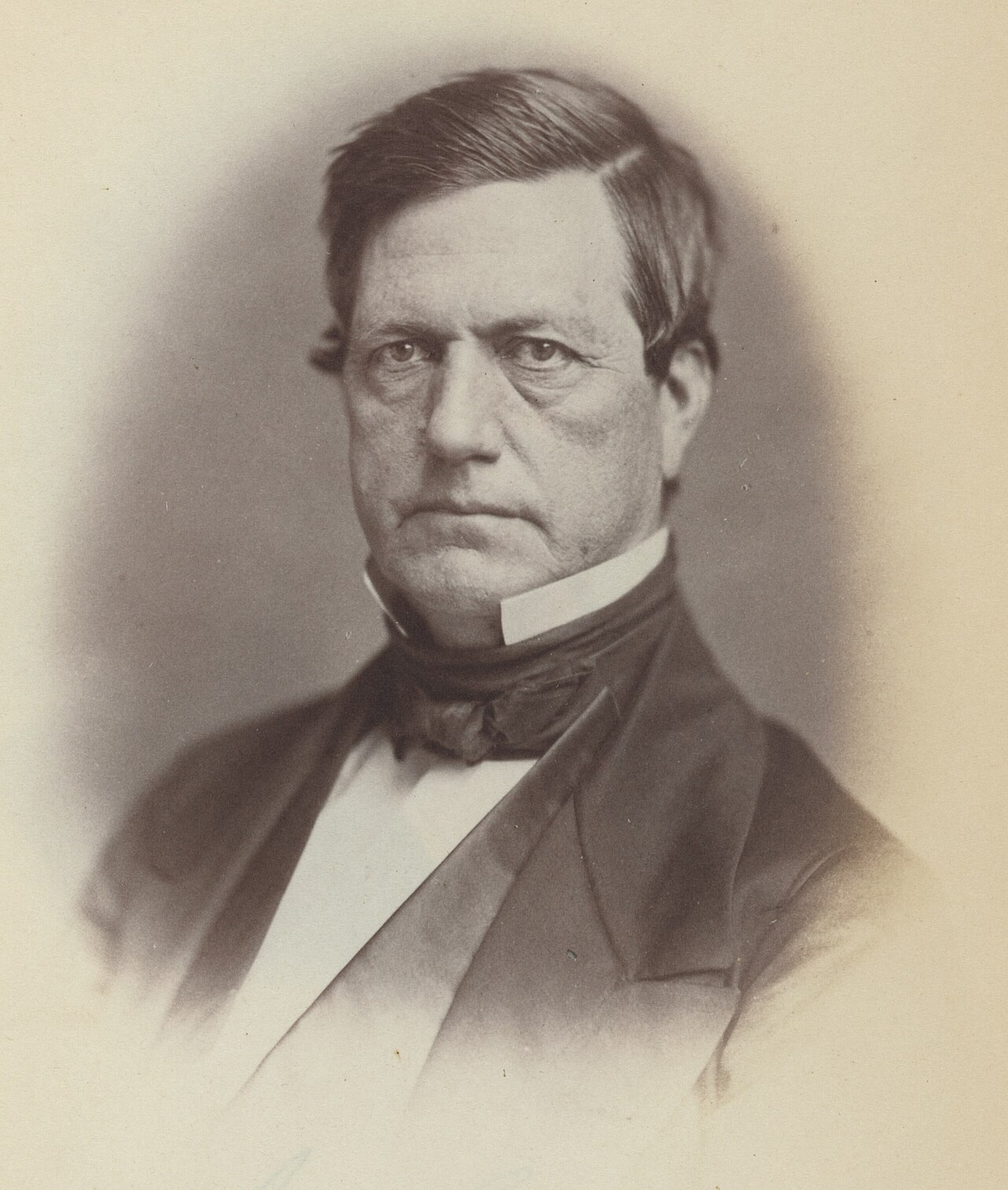
John Bullock Clark Sr. was born in Kentucky before migrating with his family to the Missouri Territory in 1818. This migration took place during a crucial era when the western United States was experiencing rapid territorial expansion, social development, and administrative reorganization. After studying law, Clark began his legal practice in Fayette, Missouri, in 1824. This step was taken just a few years after Missouri was officially admitted as a state in the American Federation in 1821.
Clark's legal career quickly placed him at the forefront of local leadership. Throughout the 1820s and 1830s, he held various important local government positions, thereby building a reputation as an influential and respected community figure in the region. His ability to balance the practice of law and public administration made him one of the key individuals in shaping the early legal institutions of the state.
Military Service and the 1832 Black Hawk War
In addition to his active involvement in law and administration, Clark also played an important role in the state's military structure through the Missouri militia. His military involvement began in earnest when he served as a colonel during the Black Hawk War in 1832. This conflict involved the United States military and local militias opposing an alliance of Native American tribes under the leadership of the warrior Black Hawk.
The efficiency and leadership demonstrated by Clark throughout the conflict accelerated his rise in the military organization. He was eventually promoted to the rank of Major General in the Missouri state militia. This highest position gave him broad command authority over local defense forces during an era when border security threats remained a top priority for the state government.
Major Role in the Mormon War and Boggs' Executive Order
1838 marked one of the most controversial chapters in Clark's military career, namely during the outbreak of the Missouri Mormon War. This conflict arose due to escalating social, political, and religious tensions between local residents and the newly migrated Mormon community to the area.
Amidst the mounting tensions, the Governor of Missouri at the time, Lilburn Boggs, issued a famous and highly controversial executive order, namely the Mormon Extermination Order (Executive Order 44). As Major General of the militia, Clark was officially tasked with receiving and executing the order. He played a major role in the final phases of this conflict, including leading militia forces to besiege and control the situation, forcing the Mormons to surrender and move out of Missouri. This event remains a historical point frequently studied in the context of religious freedom and civil rights in the United States.
The 1840 Gubernatorial Election and the Duel Controversy
Clark's involvement in the political arena continued when he was nominated by the Whig Party to run for Governor of Missouri in the 1840 election. The election took place in an atmosphere of intense political rivalry laden with accusations of impropriety among the competing political parties.
In the heat of the campaign, Clark found himself accused of involvement in a voter fraud conspiracy. This political dispute became so heated that it led to very serious personal tensions between Clark and Claiborne Fox Jackson, a Democratic Party politician who later became Governor of Missouri. The sharp disagreement between the two figures almost triggered a duel, a traditional method of resolving matters of honor common in that era, though the fight was ultimately avoided before bloodshed occurred.
The Historical Significance of John Bullock Clark in 19th-Century Dynamics
John Bullock Clark Sr.'s life story did not stop at the local political scene alone. He later transcended state politics to serve as a United States Congressman and subsequently joined the Confederate Congress during the outbreak of the American Civil War.
Understanding Clark's life journey provides a deeper comprehension of 19th-century American political and military dynamics, particularly in the frontier regions. His history demonstrates how local military power and administrative politics often overlapped and interacted in determining the direction of state policy. For modern history readers, his biography offers a comprehensive picture of the complexity of the state-formation process in the United States during the mid-19th century.
Source: Wikipedia — https://en.wikipedia.org/wiki/John_Bullock_Clark | License: CC BY-SA 4.0
Biography of John Bullock Clark: Militia Figure and Missouri Politician in American History. John Bullock Clark Sr. was a 19th-century American militia officer and politician who served in the US Congress and the Confederate Congress. He played a significant role in the Black Hawk War, the Missouri Mormon War, and various political conflicts that shaped the history of Missouri's statehood.. John Bullock Clark Sr. was born in Kentucky before migrating with his family to the Missouri Territory in 1818. This migration took place during a crucial era when the western United States was experiencing rapid territorial expansion, social development, and administrative reorganization. After studying law, Clark began his legal practice in Fayette, Missouri, in 1824. This step was taken just a few years after Missouri was officially admitted as a state in the American Federation in 1821.
Clark's legal career quickly placed him at the forefront of local leadership. Throughout the 1820s and 1830s, he held various important local government positions, thereby building a reputation as an influential and respected community figure in the region. His ability to balance the practice of law and public administration made him one of the key individuals in shaping the early legal institutions of the state.
Military Service and the 1832 Black Hawk War
In addition to his active involvement in law and administration, Clark also played an important role in the state's military structure through the Missouri militia. His military involvement began in earnest when he served as a colonel during the Black Hawk War in 1832. This conflict involved the United States military and local militias opposing an alliance of Native American tribes under the leadership of the warrior Black Hawk.
The efficiency and leadership demonstrated by Clark throughout the conflict accelerated his rise in the military organization. He was eventually promoted to the rank of Major General in the Missouri state militia. This highest position gave him broad command authority over local defense forces during an era when border security threats remained a top priority for the state government.
Major Role in the Mormon War and Boggs' Executive Order
1838 marked one of the most controversial chapters in Clark's military career, namely during the outbreak of the Missouri Mormon War. This conflict arose due to escalating social, political, and religious tensions between local residents and the newly migrated Mormon community to the area.
Amidst the mounting tensions, the Governor of Missouri at the time, Lilburn Boggs, issued a famous and highly controversial executive order, namely the Mormon Extermination Order Executive Order 44 . As Major General of the militia, Clark was officially tasked with receiving and executing the order. He played a major role in the final phases of this conflict, including leading militia forces to besiege and control the situation, forcing the Mormons to surrender and move out of Missouri. This event remains a historical point frequently studied in the context of religious freedom and civil rights in the United States.
The 1840 Gubernatorial Election and the Duel Controversy
Clark's involvement in the political arena continued when he was nominated by the Whig Party to run for Governor of Missouri in the 1840 election. The election took place in an atmosphere of intense political rivalry laden with accusations of impropriety among the competing political parties.
In the heat of the campaign, Clark found himself accused of involvement in a voter fraud conspiracy. This political dispute became so heated that it led to very serious personal tensions between Clark and Claiborne Fox Jackson, a Democratic Party politician who later became Governor of Missouri. The sharp disagreement between the two figures almost triggered a duel, a traditional method of resolving matters of honor common in that era, though the fight was ultimately avoided before bloodshed occurred.
The Historical Significance of John Bullock Clark in 19th-Century Dynamics
John Bullock Clark Sr.'s life story did not stop at the local political scene alone. He later transcended state politics to serve as a United States Congressman and subsequently joined the Confederate Congress during the outbreak of the American Civil War.
Understanding Clark's life journey provides a deeper comprehension of 19th-century American political and military dynamics, particularly in the frontier regions. His history demonstrates how local military power and administrative politics often overlapped and interacted in determining the direction of state policy. For modern history readers, his biography offers a comprehensive picture of the complexity of the state-formation process in the United States during the mid-19th century.
Source: Wikipedia — https://en.wikipedia.org/wiki/John Bullock Clark License: CC BY-SA 4.0