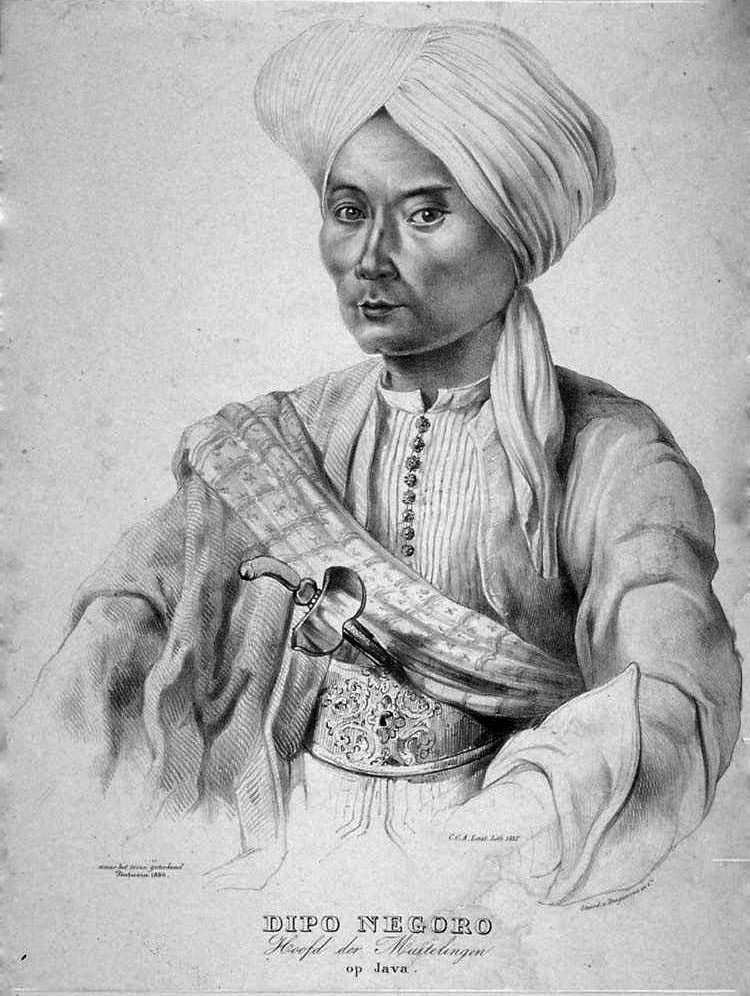
Introduction: The Light of Resistance from the Land of Java
In the folds of the archipelago's history, the name Prince Diponegoro is etched as a hero who did not fear to oppose the colonizers. Born on November 11, 1785, in Yogyakarta, he was the eldest son of Sultan Hamengkubuwono III from the second queen consort. Since childhood, he was educated in strong Javanese religious and cultural traditions. He was known as a pious person, fond of reading scriptures, and often worshipped in mosques around the palace. However, behind the gentleness of his soul, there burned a spirit to uphold justice.
The Path to War: Conflict with the Dutch
The starting point of Diponegoro's struggle began when the Dutch interfered in the internal affairs of the Yogyakarta Sultanate. In 1813, after his father's death, an agreement between the Dutch and Sultan Hamengkubuwono IV caused customary lands and people's rights to erode further. Diponegoro, who at that time held the title of Prince Mangkubumi, witnessed firsthand the suffering of the people due to high taxes and forced labor. The Dutch also built a road that violated the boundaries of ancestral graves in Tegalrejo, Diponegoro's residence. This event was considered an insult to tradition and religion.
In 1825, Diponegoro declared resistance. He raised the war flag in Tegalrejo, accompanied by scholars, santri, and commoners. He gained support from disaffected nobles and religious leaders who saw this struggle as a fardhu ain jihad against the infidel colonizers. The Java War erupted, crippling Dutch power in Java for five years.
Guerrilla Warfare Strategy: Astonishing Brilliance
Diponegoro was not only a charismatic leader but also a skilled war commander. He employed guerrilla tactics that utilized forests, mountains, and cave systems in Central and East Java. His troops often launched surprise attacks and then vanished into the bushes. He also built an extensive intelligence network, including among women and traders.
One of the fiercest battles occurred at Selarong, where Diponegoro's forces successfully surrounded the Dutch army led by General De Kock. These attacks forced the Dutch to deploy over 50,000 troops, incur huge financial costs, and caused many high-ranking officers to fall. The Java War was considered the most expensive war for the Dutch in the archipelago, both in terms of money and lives.
Struggle Based on Islam
Diponegoro fought not only for the independence of the homeland but also to uphold Islamic law. He often called his struggle "Perang Sabil" and gave himself the title "Sultan Abdul Hamid" in some documents. He ordered his followers to perform congregational prayers, read the Quran, and practice Islamic teachings in daily life. On the battlefield, he often led prayers and delivered sermons to strengthen the troops' morale.
This religious stance attracted solid support from kiai and ulama across Java. They regarded Diponegoro as a legitimate leader to free Muslims from the grip of the colonizers. Even some female warriors like Nyi Ageng Serang participated in this war, showing that the struggle transcended gender.
Fall and Exile: End of an Era
Despite its greatness, Diponegoro's struggle could not last forever. The Dutch used the "Benteng Stelsel" tactic—building a chain of small forts throughout the war zone. This cut off food and weapon supplies to Diponegoro's forces. Continuous sieges and internal pressure led some of his followers to betray the struggle.
On March 28, 1830, Diponegoro was invited by General De Kock to negotiate in Magelang. In a ceremony that was supposedly to discuss peace, he was treacherously arrested. He was exiled to Manado, then to Makassar at Fort Rotterdam. There, he spent the rest of his life in captivity until his death on January 8, 1855. However, his spirit never died.
Eternal Legacy: Inspiration for the Nation
Prince Diponegoro was declared a National Hero of Indonesia in 1973. His struggle inspired independence fighters of the 20th century, including Sukarno and Mohammad Hatta. His story is taught in schools, immortalized in statues, and used as street names throughout Indonesia. More importantly, his spirit of resistance against oppression and injustice remains relevant today.
For Indonesian Muslims, Diponegoro is an example of a leader who combined faith with struggle. He showed that religion is not merely ritual but also a driving force to uphold justice and truth. The Java War he led is not just a historical record but also a lesson that with conviction and strategy, a nation can rise against colonizers.
Conclusion
Prince Diponegoro is not just a name in textbooks. He is a symbol of courage, sincerity, and steadfastness of principle. Through his struggle, we learn that independence and justice do not come easily. They require sacrifice, patience, and faith in God. May Diponegoro's spirit continue to burn in the hearts of every child of the nation.
---
Reference: Diponegoro — Wikipedia
Diponegoro: The Leader of the Java War Who Shook the Dutch. Prince Diponegoro, the eldest son of Sultan Hamengkubuwono III, led the Java War (1825–1830) against Dutch colonization. His jihad-inspired struggle and guerrilla warfare strategy made him a symbol of Islamic resistance in the archipelago. Although eventually captured and exiled to Makassar, his spirit continued to fuel Indonesian nationalism.. Introduction: The Light of Resistance from the Land of Java
In the folds of the archipelago's history, the name Prince Diponegoro is etched as a hero who did not fear to oppose the colonizers. Born on November 11, 1785, in Yogyakarta, he was the eldest son of Sultan Hamengkubuwono III from the second queen consort. Since childhood, he was educated in strong Javanese religious and cultural traditions. He was known as a pious person, fond of reading scriptures, and often worshipped in mosques around the palace. However, behind the gentleness of his soul, there burned a spirit to uphold justice.
The Path to War: Conflict with the Dutch
The starting point of Diponegoro's struggle began when the Dutch interfered in the internal affairs of the Yogyakarta Sultanate. In 1813, after his father's death, an agreement between the Dutch and Sultan Hamengkubuwono IV caused customary lands and people's rights to erode further. Diponegoro, who at that time held the title of Prince Mangkubumi, witnessed firsthand the suffering of the people due to high taxes and forced labor. The Dutch also built a road that violated the boundaries of ancestral graves in Tegalrejo, Diponegoro's residence. This event was considered an insult to tradition and religion.
In 1825, Diponegoro declared resistance. He raised the war flag in Tegalrejo, accompanied by scholars, santri, and commoners. He gained support from disaffected nobles and religious leaders who saw this struggle as a fardhu ain jihad against the infidel colonizers. The Java War erupted, crippling Dutch power in Java for five years.
Guerrilla Warfare Strategy: Astonishing Brilliance
Diponegoro was not only a charismatic leader but also a skilled war commander. He employed guerrilla tactics that utilized forests, mountains, and cave systems in Central and East Java. His troops often launched surprise attacks and then vanished into the bushes. He also built an extensive intelligence network, including among women and traders.
One of the fiercest battles occurred at Selarong, where Diponegoro's forces successfully surrounded the Dutch army led by General De Kock. These attacks forced the Dutch to deploy over 50,000 troops, incur huge financial costs, and caused many high-ranking officers to fall. The Java War was considered the most expensive war for the Dutch in the archipelago, both in terms of money and lives.
Struggle Based on Islam
Diponegoro fought not only for the independence of the homeland but also to uphold Islamic law. He often called his struggle "Perang Sabil" and gave himself the title "Sultan Abdul Hamid" in some documents. He ordered his followers to perform congregational prayers, read the Quran, and practice Islamic teachings in daily life. On the battlefield, he often led prayers and delivered sermons to strengthen the troops' morale.
This religious stance attracted solid support from kiai and ulama across Java. They regarded Diponegoro as a legitimate leader to free Muslims from the grip of the colonizers. Even some female warriors like Nyi Ageng Serang participated in this war, showing that the struggle transcended gender.
Fall and Exile: End of an Era
Despite its greatness, Diponegoro's struggle could not last forever. The Dutch used the "Benteng Stelsel" tactic—building a chain of small forts throughout the war zone. This cut off food and weapon supplies to Diponegoro's forces. Continuous sieges and internal pressure led some of his followers to betray the struggle.
On March 28, 1830, Diponegoro was invited by General De Kock to negotiate in Magelang. In a ceremony that was supposedly to discuss peace, he was treacherously arrested. He was exiled to Manado, then to Makassar at Fort Rotterdam. There, he spent the rest of his life in captivity until his death on January 8, 1855. However, his spirit never died.
Eternal Legacy: Inspiration for the Nation
Prince Diponegoro was declared a National Hero of Indonesia in 1973. His struggle inspired independence fighters of the 20th century, including Sukarno and Mohammad Hatta. His story is taught in schools, immortalized in statues, and used as street names throughout Indonesia. More importantly, his spirit of resistance against oppression and injustice remains relevant today.
For Indonesian Muslims, Diponegoro is an example of a leader who combined faith with struggle. He showed that religion is not merely ritual but also a driving force to uphold justice and truth. The Java War he led is not just a historical record but also a lesson that with conviction and strategy, a nation can rise against colonizers.
Conclusion
Prince Diponegoro is not just a name in textbooks. He is a symbol of courage, sincerity, and steadfastness of principle. Through his struggle, we learn that independence and justice do not come easily. They require sacrifice, patience, and faith in God. May Diponegoro's spirit continue to burn in the hearts of every child of the nation.
---
Reference: Diponegoro — Wikipedia https://en.wikipedia.org/wiki/Diponegoro