Introduction: A Threat from the Sky
Imagine a prime minister's office, a symbol of power and control of a nation. Suddenly, a small flying object lands on its roof, carrying radioactive material. It is not a movie scene, but a bitter reality that happened in Tokyo in April 2015. This drone incident not only embarrassed Japanese authorities, but also opened the world's eyes to the growing threat of advanced technology.
Incident: From Fukushima to the Power Center
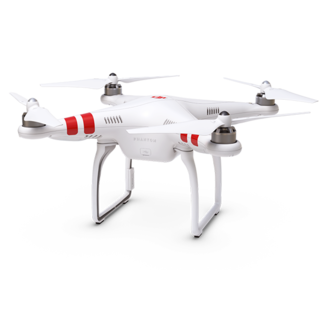
On April 9, 2015, Yasuo Yamamoto, an anti-nuclear protester from Fukui Prefecture, launched a dangerous mission. Using a modified Phantom 2 drone, he flew it from a nearby park near the Japan Prime Minister's Office. The drone carried sand containing cesium-134 and cesium-137, radioactive isotopes from the 2011 Fukushima nuclear disaster area. Yamamoto's goal? To draw the world's attention to the ongoing radiation dangers threatening Japan.
Surprising Discovery
What was most surprising, the drone was not detected by the national security system. It landed safely on top of the building, and was only found on April 22, 13 days later. A cleaning staff member, while performing routine work, noticed the foreign object while inspecting the roof. When the security team arrived, they found the drone intact with four rotors, a camera, and a plastic container containing sand.
Response and Investigation
This discovery caused a big shock in the Japanese government. Prime Minister Shinzo Abe himself ordered a full investigation. The Tokyo Metropolitan Police quickly tracked down Yamamoto through the drone's registration number imported from China. Yamamoto was arrested and charged with obstructing police duties and violating flight laws. In May 2016, he was sentenced to two years in prison, but received a suspended sentence, meaning he did not have to serve the sentence if he did not commit any other offenses within a certain period.
Consequences: Drone Regulation Revolution
This incident became a turning point in managing drones in Japan. Before 2015, drone regulations were very loose. After this incident, the Japanese government quickly passed amendments to the Civil Aviation Act in 2016. Among the main changes were bans on flying drones in sensitive areas such as imperial palaces, main government buildings, and airports without special permission. Drones must also be registered, and operators need to have licenses. Violations can result in fines up to 500,000 yen or imprisonment for up to one year.
Security in the Digital Age
The 2015 Tokyo incident is not just a story about a brave protester. It is a harsh reminder that increasingly affordable and accessible technology can become a dangerous weapon. Drones originally for hobbies can be modified for malicious purposes. This incident also raises questions about how other countries need to adapt to these new threats. In Japan, awareness of drone safety has increased abruptly, and this incident has become a key reference in national security training.
Conclusion: The Price of Freedom
Yasuo Yamamoto may be a brave person, but his actions show how easy it is to breach national security. Japan learned the hard way, and now has one of the strictest drone regulations in the world. However, this incident also reminds us that in the digital age, security cannot be taken lightly. A small drone can cause a big surprise, and a 13-day delay in discovery is a costly price to pay.
---
Reference: 2015 Tokyo drone incident — Wikipedia
Nuclear Drone on the Roof of Japan's Prime Minister: The 2015 Security Scandal. In April 2015, a Phantom 2 drone carrying radioactive sand from Fukushima landed on the roof of Japan's Prime Minister's Office. It was only found 13 days later, exposing major weaknesses in national security. This incident shocked Tokyo and permanently changed Japan's drone laws.. Introduction: A Threat from the Sky
Imagine a prime minister's office, a symbol of power and control of a nation. Suddenly, a small flying object lands on its roof, carrying radioactive material. It is not a movie scene, but a bitter reality that happened in Tokyo in April 2015. This drone incident not only embarrassed Japanese authorities, but also opened the world's eyes to the growing threat of advanced technology.
Incident: From Fukushima to the Power Center
On April 9, 2015, Yasuo Yamamoto, an anti-nuclear protester from Fukui Prefecture, launched a dangerous mission. Using a modified Phantom 2 drone, he flew it from a nearby park near the Japan Prime Minister's Office. The drone carried sand containing cesium-134 and cesium-137, radioactive isotopes from the 2011 Fukushima nuclear disaster area. Yamamoto's goal? To draw the world's attention to the ongoing radiation dangers threatening Japan.
Surprising Discovery
What was most surprising, the drone was not detected by the national security system. It landed safely on top of the building, and was only found on April 22, 13 days later. A cleaning staff member, while performing routine work, noticed the foreign object while inspecting the roof. When the security team arrived, they found the drone intact with four rotors, a camera, and a plastic container containing sand.
Response and Investigation
This discovery caused a big shock in the Japanese government. Prime Minister Shinzo Abe himself ordered a full investigation. The Tokyo Metropolitan Police quickly tracked down Yamamoto through the drone's registration number imported from China. Yamamoto was arrested and charged with obstructing police duties and violating flight laws. In May 2016, he was sentenced to two years in prison, but received a suspended sentence, meaning he did not have to serve the sentence if he did not commit any other offenses within a certain period.
Consequences: Drone Regulation Revolution
This incident became a turning point in managing drones in Japan. Before 2015, drone regulations were very loose. After this incident, the Japanese government quickly passed amendments to the Civil Aviation Act in 2016. Among the main changes were bans on flying drones in sensitive areas such as imperial palaces, main government buildings, and airports without special permission. Drones must also be registered, and operators need to have licenses. Violations can result in fines up to 500,000 yen or imprisonment for up to one year.
Security in the Digital Age
The 2015 Tokyo incident is not just a story about a brave protester. It is a harsh reminder that increasingly affordable and accessible technology can become a dangerous weapon. Drones originally for hobbies can be modified for malicious purposes. This incident also raises questions about how other countries need to adapt to these new threats. In Japan, awareness of drone safety has increased abruptly, and this incident has become a key reference in national security training.
Conclusion: The Price of Freedom
Yasuo Yamamoto may be a brave person, but his actions show how easy it is to breach national security. Japan learned the hard way, and now has one of the strictest drone regulations in the world. However, this incident also reminds us that in the digital age, security cannot be taken lightly. A small drone can cause a big surprise, and a 13-day delay in discovery is a costly price to pay.
---
Reference: 2015 Tokyo drone incident — Wikipedia https://en.wikipedia.org/wiki/2015 Tokyo drone incident