🌍 Global coverage 24/7 • 🏯 East Asia: China, Japan, Korea • 🛕 South Asia: India • 🏰 Europe • 🗽 Americas • 🌍 Africa • 🕌 Middle East • 🇵🇸 Palestine Solidarity •
This article is a translation from the original language.
🍜 Food & Lifestyle
Spices World: More Than Just Flavor, the History and Science Behind the Aroma
Spices are more than just flavoring agents in cooking. They are seeds, fruits, roots, or bark that have shaped world trade history, influenced geographical discoveries, and become treasures in traditional medicine and the cosmetics industry. This article explores the definition, classification, forms of use, and cultural and scientific implications of spices in human life.
25 Jun 20264 min read11,898 viewsBy Redaksi KhatulistiwaWikipedia — Spice
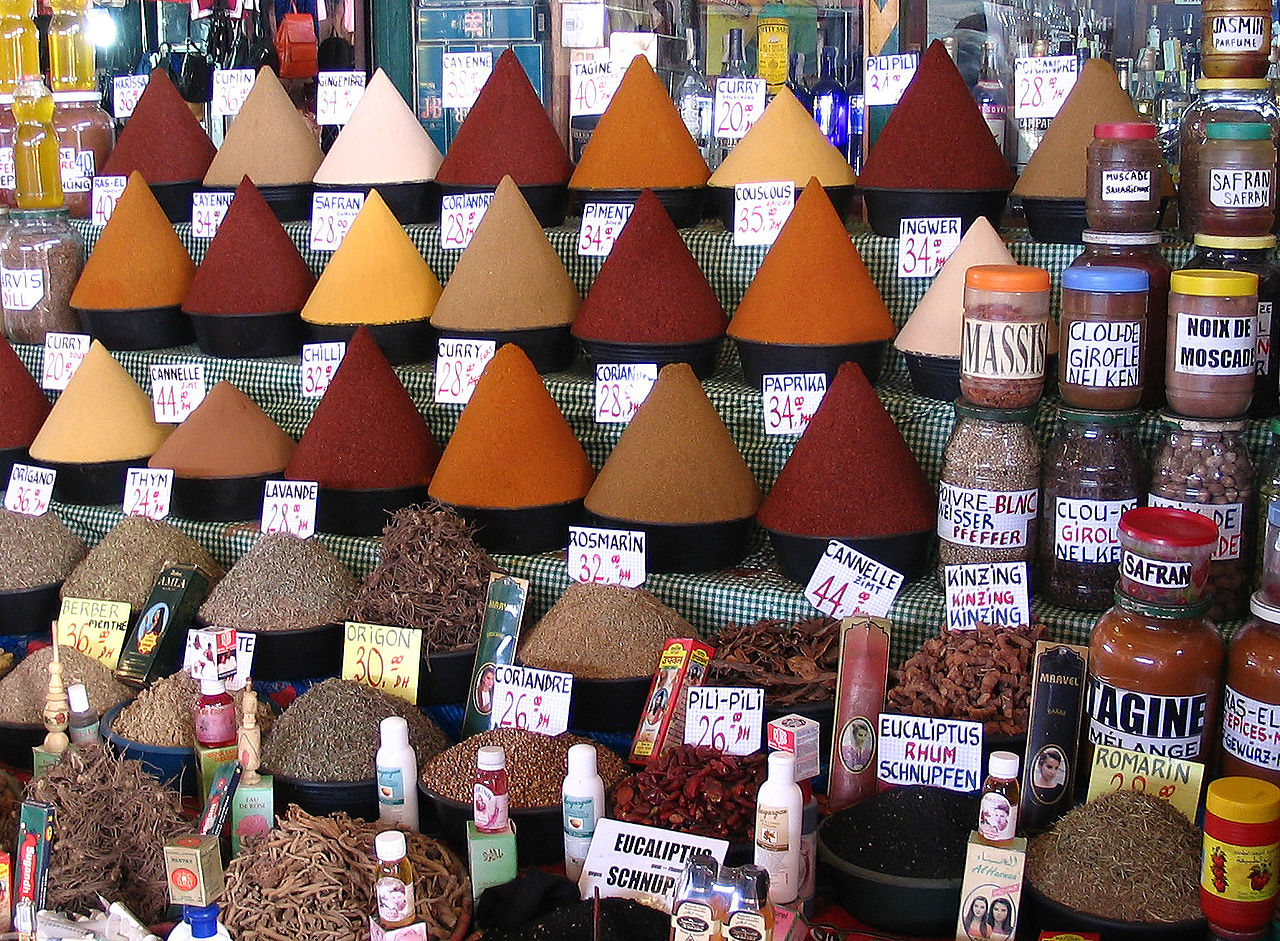
Image: Foto: Wikipedia — Spice (CC BY-SA 4.0)
AI
Introduction: Between Herbs and Spices, Which is More Powerful?
In the culinary world, the term 'spice' is often used loosely along with 'herb'. However, technically, spices refer to parts of plants that are hard, such as seeds, fruits, bark, or roots, while herbs are soft leaves, flowers, or stems. Spices like cinnamon (bark), nutmeg (fruit), and turmeric (root) are clear examples. This distinction is not merely botanical; it affects how they are used, stored, and their impact on dishes. Spices are usually more durable and require drying or grinding to release maximum aroma, compared to fresh herbs that wilt easily.
Classification of Spices: From Grains to Extracts
Spices can be classified into several main categories: grain spices (such as black pepper and cumin), fruit spices (such as chili and nutmeg), bark spices (cinnamon), root spices (ginger and turmeric), and flower stigma spices (saffron). Each category has unique chemical properties that determine its use. Vanilla, for example, is the fruit of the Vanilla orchid, commonly used in the form of extract for flavoring and perfumes. Meanwhile, sugar, although sweet, is not considered a spice because it is a natural sweetener produced from sugarcane or beet, not from plant parts that function as flavoring or coloring agents.
Forms of Use: Fresh, Dried, or Ground?
Spices can be used in various forms—fresh, dried, ground, crushed, or extracted into tinctures. Each form affects the intensity of flavor and texture. For example, whole black pepper provides a longer-lasting and more complex spicy flavor compared to ground pepper, which quickly loses its essential oils. Mustard seeds and fennel can be used whole or in powder form, depending on the recipe. In traditional Malay cuisine, spices like cumin and coriander are often fried without oil first to 'awaken' the aroma before being ground. This is the science behind the art of cooking: heat helps release aromatic compounds such as terpenoids and phenolics that cannot be extracted in raw conditions.
Spices in Medicine and Rituals: More Than Just Taste
Since ancient times, spices have not only been used for food but also as medicine, in religious ceremonies, and in the production of cosmetics and perfumes. Turmeric, for example, contains curcumin, which has anti-inflammatory and antioxidant properties. Cinnamon has been used in traditional Chinese medicine to improve blood circulation. Beyond that, spices also play a role in religious rituals—frankincense (a type of resin) is used in religious ceremonies across various cultures. In this context, spices act as a bridge between the physical and spiritual, showing that their value goes beyond taste alone.
Implications of Life: Spices as Catalysts of Civilization
The history of spice trade is an epic story of exploration, colonization, and globalization. Black pepper, nutmeg, and cloves were among the most valuable commodities during the Malay Sultanate and European Empires. They not only changed economies but also triggered the discovery of new continents. Today, spices continue to be symbols of cultural identity—each region has its own unique spice mixtures such as 'rempah ratus' in Southeast Asia, 'garam masala' in India, or 'berbere' in Ethiopia. Reflective question: What if there were no spices in our daily meals? Perhaps the world would lose not only taste but also heritage and health.
Conclusion: Spices, Reflections of Nature's Diversity
Spices are a complex gift of nature. From small caraway seeds to thick cinnamon bark, each one holds history, science, and art. In the fast-paced modern era, we may take for granted the spice powder on our kitchen shelves. Yet, behind each small spoonful lies thousands of years of evolution, trade, and tradition. Spices are not just flavor—they are narratives of human civilization. Therefore, appreciate every time we sprinkle a little pepper into soup, because we are touching a piece of world history.
Spices World: More Than Just Flavor, the History and Science Behind the Aroma. Spices are more than just flavoring agents in cooking. They are seeds, fruits, roots, or bark that have shaped world trade history, influenced geographical discoveries, and become treasures in traditional medicine and the cosmetics industry. This article explores the definition, classification, forms of use, and cultural and scientific implications of spices in human life.. Introduction: Between Herbs and Spices, Which is More Powerful?
In the culinary world, the term 'spice' is often used loosely along with 'herb'. However, technically, spices refer to parts of plants that are hard, such as seeds, fruits, bark, or roots, while herbs are soft leaves, flowers, or stems. Spices like cinnamon bark , nutmeg fruit , and turmeric root are clear examples. This distinction is not merely botanical; it affects how they are used, stored, and their impact on dishes. Spices are usually more durable and require drying or grinding to release maximum aroma, compared to fresh herbs that wilt easily.
Classification of Spices: From Grains to Extracts
Spices can be classified into several main categories: grain spices such as black pepper and cumin , fruit spices such as chili and nutmeg , bark spices cinnamon , root spices ginger and turmeric , and flower stigma spices saffron . Each category has unique chemical properties that determine its use. Vanilla, for example, is the fruit of the Vanilla orchid, commonly used in the form of extract for flavoring and perfumes. Meanwhile, sugar, although sweet, is not considered a spice because it is a natural sweetener produced from sugarcane or beet, not from plant parts that function as flavoring or coloring agents.
Forms of Use: Fresh, Dried, or Ground?
Spices can be used in various forms—fresh, dried, ground, crushed, or extracted into tinctures. Each form affects the intensity of flavor and texture. For example, whole black pepper provides a longer-lasting and more complex spicy flavor compared to ground pepper, which quickly loses its essential oils. Mustard seeds and fennel can be used whole or in powder form, depending on the recipe. In traditional Malay cuisine, spices like cumin and coriander are often fried without oil first to 'awaken' the aroma before being ground. This is the science behind the art of cooking: heat helps release aromatic compounds such as terpenoids and phenolics that cannot be extracted in raw conditions.
Spices in Medicine and Rituals: More Than Just Taste
Since ancient times, spices have not only been used for food but also as medicine, in religious ceremonies, and in the production of cosmetics and perfumes. Turmeric, for example, contains curcumin, which has anti-inflammatory and antioxidant properties. Cinnamon has been used in traditional Chinese medicine to improve blood circulation. Beyond that, spices also play a role in religious rituals—frankincense a type of resin is used in religious ceremonies across various cultures. In this context, spices act as a bridge between the physical and spiritual, showing that their value goes beyond taste alone.
Implications of Life: Spices as Catalysts of Civilization
The history of spice trade is an epic story of exploration, colonization, and globalization. Black pepper, nutmeg, and cloves were among the most valuable commodities during the Malay Sultanate and European Empires. They not only changed economies but also triggered the discovery of new continents. Today, spices continue to be symbols of cultural identity—each region has its own unique spice mixtures such as 'rempah ratus' in Southeast Asia, 'garam masala' in India, or 'berbere' in Ethiopia. Reflective question: What if there were no spices in our daily meals? Perhaps the world would lose not only taste but also heritage and health.
Conclusion: Spices, Reflections of Nature's Diversity
Spices are a complex gift of nature. From small caraway seeds to thick cinnamon bark, each one holds history, science, and art. In the fast-paced modern era, we may take for granted the spice powder on our kitchen shelves. Yet, behind each small spoonful lies thousands of years of evolution, trade, and tradition. Spices are not just flavor—they are narratives of human civilization. Therefore, appreciate every time we sprinkle a little pepper into soup, because we are touching a piece of world history.
Rujukan: Spice — Wikipedia https://en.wikipedia.org/wiki/Spice