Hidden Oceans Beneath Our Feet
When we imagine Antarctica, we often picture endless white expanses, silent and frozen. Yet, beneath the ice surface, which can be several kilometers thick, lies a completely different world: subglacial lakes. These are not mere puddles; they are vast, stable bodies of liquid water that, in most cases, have been isolated from the outside world for millions of years. Imagine an ocean trapped under an ice cap, dark, cold, and full of mystery. The discovery of these lakes has transformed our understanding not only of Earth's hydrology but also of the limits of life itself.
Formation Mechanism: Pressure Melts Ice
How can liquid water exist below freezing temperatures? The answer lies in pressure. The immense weight of the ice sheet generates extraordinarily high hydrostatic pressure at the glacier base. This pressure lowers the melting point of ice. At the surface, ice melts at 0°C, but under the pressure of thousands of meters of ice, the melting point can drop to several degrees below zero. Friction from glacier movement and geothermal heat from Earth's interior also contribute to gradual melting, at rates of only a few millimeters per year. This meltwater then moves according to hydraulic pressure gradients, collects in bedrock basins, and forms isolated lakes. This process takes thousands to millions of years, creating a stable and isolated environment.
Antarctica: Champion of Subglacial Lakes
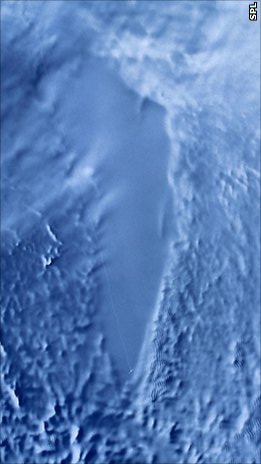
The Antarctic continent is home to the majority of known subglacial lakes. Since the first discovery via ice-penetrating radar in the 1970s, over 400 lakes have been mapped beneath the Antarctic Ice Sheet. The most famous is Lake Vostok, located beneath Russia's Vostok Station. This lake is the largest, with a length of over 250 km, a width of 50 km, and a depth of up to 1,000 meters. It has been isolated from the atmosphere for about 15 to 25 million years. The estimated water volume in Antarctic subglacial lakes alone is around 10,000 km³. By comparison, this amount equals about 15% of all liquid freshwater on Earth. Greenland and Iceland also have subglacial lakes, but on a smaller scale.
Isolated Ecosystems Full of Surprises
What is truly astonishing about subglacial lakes is their life. As ecosystems completely isolated from the atmosphere, without sunlight, and with extremely limited nutrient supply, they seem like impossible places for life. Yet, analysis of water and sediment samples from several lakes, including Lake Whillans and Lake Vostok, has revealed the presence of active microbial communities. These bacteria and archaea live chemoautotrophically, obtaining energy from chemical reactions between water, rock, and sediment. They can survive extreme cold, high pressure, and oxygen deprivation. In fact, genetic studies suggest that these communities may have been evolutionarily isolated for millions of years, offering a window into ancient life forms and the possibility of life beyond Earth.
Exploring the Hidden World: Challenges and Discoveries
Accessing subglacial lakes is no easy task. Scientists must use specialized drilling techniques designed to avoid contamination. In 2013, a US research team successfully drilled into Lake Whillans in West Antarctica and collected the first water and sediment samples. Similar efforts by Russia at Lake Vostok and Britain at Lake Ellsworth have faced various technical challenges. Each new discovery reveals deeper layers of complexity: interactions between water and bedrock, slow carbon cycles, and the presence of dissolved gases like methane. This research is not only crucial for understanding Earth but also forms the basis for future missions to Jupiter's icy moon Europa and Saturn's Enceladus, which are believed to have similar subglacial oceans.
Implications: From Climate to Astrobiology
Subglacial lakes play a significant role in Earth's system. They act as giant freshwater reservoirs and influence glacier movement by lubricating the ice base. Water release from these lakes can accelerate ice flow into the sea, contributing to sea level rise. In astrobiology, subglacial lakes are the best Earth analogs for oceans that might exist on Europa or Enceladus. If life can exist in darkness, high pressure, and nutrient scarcity beneath Antarctic ice, then the possibility of life beyond Earth becomes increasingly real. The question lingering in every scientist's mind: are we alone in the universe? Or will life, wherever it may be, find a way to survive, even in the most extreme environments?
---
Reference: Subglacial lake — Wikipedia
Hidden World Under the Ice: The Mystery of Subglacial Lakes That Changes Our View of Life. Subglacial lakes are bodies of liquid water trapped beneath thick ice sheets, found in Antarctica, Greenland, and Iceland. Over 400 such lakes have been identified, with an estimated total liquid freshwater volume of 10,000 km³, about 15% of all freshwater on Earth. Isolated from the atmosphere for millions of years, these lakes harbor unique microbial ecosystems that challenge the limits of life and offer clues about possible life on icy moons like Europa.. Hidden Oceans Beneath Our Feet
When we imagine Antarctica, we often picture endless white expanses, silent and frozen. Yet, beneath the ice surface, which can be several kilometers thick, lies a completely different world: subglacial lakes. These are not mere puddles; they are vast, stable bodies of liquid water that, in most cases, have been isolated from the outside world for millions of years. Imagine an ocean trapped under an ice cap, dark, cold, and full of mystery. The discovery of these lakes has transformed our understanding not only of Earth's hydrology but also of the limits of life itself.
Formation Mechanism: Pressure Melts Ice
How can liquid water exist below freezing temperatures? The answer lies in pressure. The immense weight of the ice sheet generates extraordinarily high hydrostatic pressure at the glacier base. This pressure lowers the melting point of ice. At the surface, ice melts at 0°C, but under the pressure of thousands of meters of ice, the melting point can drop to several degrees below zero. Friction from glacier movement and geothermal heat from Earth's interior also contribute to gradual melting, at rates of only a few millimeters per year. This meltwater then moves according to hydraulic pressure gradients, collects in bedrock basins, and forms isolated lakes. This process takes thousands to millions of years, creating a stable and isolated environment.
Antarctica: Champion of Subglacial Lakes
The Antarctic continent is home to the majority of known subglacial lakes. Since the first discovery via ice-penetrating radar in the 1970s, over 400 lakes have been mapped beneath the Antarctic Ice Sheet. The most famous is Lake Vostok, located beneath Russia's Vostok Station. This lake is the largest, with a length of over 250 km, a width of 50 km, and a depth of up to 1,000 meters. It has been isolated from the atmosphere for about 15 to 25 million years. The estimated water volume in Antarctic subglacial lakes alone is around 10,000 km³. By comparison, this amount equals about 15% of all liquid freshwater on Earth. Greenland and Iceland also have subglacial lakes, but on a smaller scale.
Isolated Ecosystems Full of Surprises
What is truly astonishing about subglacial lakes is their life. As ecosystems completely isolated from the atmosphere, without sunlight, and with extremely limited nutrient supply, they seem like impossible places for life. Yet, analysis of water and sediment samples from several lakes, including Lake Whillans and Lake Vostok, has revealed the presence of active microbial communities. These bacteria and archaea live chemoautotrophically, obtaining energy from chemical reactions between water, rock, and sediment. They can survive extreme cold, high pressure, and oxygen deprivation. In fact, genetic studies suggest that these communities may have been evolutionarily isolated for millions of years, offering a window into ancient life forms and the possibility of life beyond Earth.
Exploring the Hidden World: Challenges and Discoveries
Accessing subglacial lakes is no easy task. Scientists must use specialized drilling techniques designed to avoid contamination. In 2013, a US research team successfully drilled into Lake Whillans in West Antarctica and collected the first water and sediment samples. Similar efforts by Russia at Lake Vostok and Britain at Lake Ellsworth have faced various technical challenges. Each new discovery reveals deeper layers of complexity: interactions between water and bedrock, slow carbon cycles, and the presence of dissolved gases like methane. This research is not only crucial for understanding Earth but also forms the basis for future missions to Jupiter's icy moon Europa and Saturn's Enceladus, which are believed to have similar subglacial oceans.
Implications: From Climate to Astrobiology
Subglacial lakes play a significant role in Earth's system. They act as giant freshwater reservoirs and influence glacier movement by lubricating the ice base. Water release from these lakes can accelerate ice flow into the sea, contributing to sea level rise. In astrobiology, subglacial lakes are the best Earth analogs for oceans that might exist on Europa or Enceladus. If life can exist in darkness, high pressure, and nutrient scarcity beneath Antarctic ice, then the possibility of life beyond Earth becomes increasingly real. The question lingering in every scientist's mind: are we alone in the universe? Or will life, wherever it may be, find a way to survive, even in the most extreme environments?
---
Reference: Subglacial lake — Wikipedia https://en.wikipedia.org/wiki/Subglacial lake