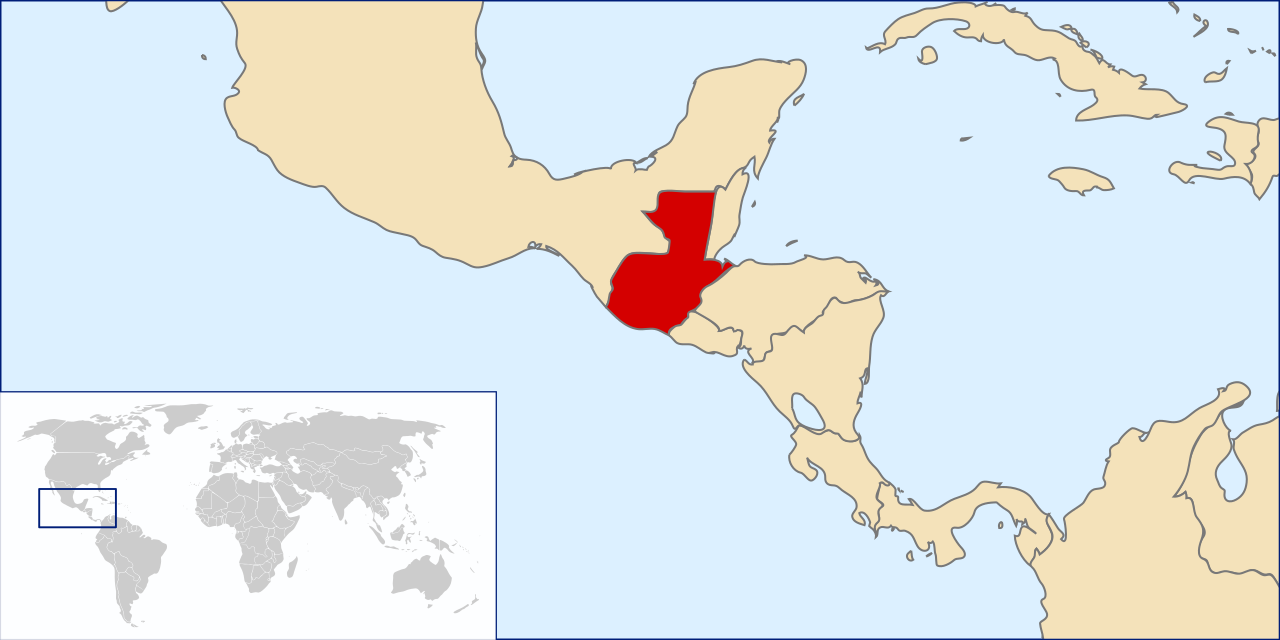
Introduction: The Dark Secret Behind Global Health Care
Imagine you are a young soldier in Guatemala in 1946. You are called for a 'routine health checkup,' but without your knowledge, American doctors inject you with syphilis bacteria. You don't know that you are part of an experiment designed to study the transmission of sexually transmitted diseases—an experiment that violates all medical ethics. This is not fiction; it is a reality revealed after 60 years of secrecy. The Guatemala Syphilis Experiment, conducted by the U.S. Public Health Service (USPHS), is one of the darkest chapters in the history of medical research.
Background: Who Was John Charles Cutler?
John Charles Cutler, a doctor known for his research on syphilis, was the main figure behind this experiment. He had previously been involved in the infamous Tuskegee Syphilis Study, where African-American men were left untreated to study the disease. In Guatemala, Cutler took a more aggressive approach: intentionally infecting victims. Cutler worked with the Guatemalan government, which provided access to vulnerable groups such as soldiers, prisoners, and mental patients. The original purpose of the experiment was to test the effectiveness of penicillin as a preventive treatment, but the methods used were inhumane.
Victims: Who Was Affected?
The experiment involved 5,500 people, but the main focus was on 1,300 people who were intentionally infected. Victims included:
- Guatemalan Soldiers: At least 600 soldiers were infected, often after being promised medical treatment or money.
- Prisoners: Prisoners in Guatemala City prisons were used as test subjects, with promises of reduced sentences.
- Mental Patients: More than 200 patients from mental hospitals were infected without their consent.
- Orphaned Children: Children from orphanages were also infected, including those as young as 10 years old.
- Sex Workers: Women already infected were paid to have sexual relations with victims.
Methods: How Did They Do It?
Cutler and his team used various methods to infect their victims:
- Direct Injections: Syphilis bacteria (spirochetes) were injected into the arms or genitalia of the victims.
- Skin Inoculation: Bacteria were scratched onto the skin.
- Sexual Contact: Infected sex workers were paid to sleep with the victims, including soldiers and prisoners.
- Exposure Without Treatment: Victims were left untreated for long periods, even though they showed symptoms such as rashes and ulcers.
Scandal: What Was Hidden?
For over 60 years, the experiment was hidden from public knowledge. Only in 2010 did a Wellesley College researcher, Susan Reverby, discover documents that revealed the experiment while researching the Tuskegee archives. She was shocked by the scale and cruelty of the experiment, which far exceeded that of Tuskegee. The documents showed that Cutler intentionally infected victims without their consent, and only 700 out of 1,300 victims received treatment. 83 victims died, but the cause of death was not recorded in detail, raising speculation that the injections may have killed them.
Reaction and Admission: What Did the US Do?
On October 1, 2010, U.S. President Barack Obama, Secretary of State Hillary Clinton, and Secretary of Health Kathleen Sebelius issued an official apology to Guatemala. Clinton described the experiment as a 'clear and unacceptable ethical violation.' However, the apology did not lead to financial compensation or legal action against Cutler, who died in 2003. Guatemala condemned the experiment, but so far, no compensation has been given to surviving victims or their families.
Conclusion: Lessons Not Learned?
The Guatemala Syphilis Experiment is a chilling reminder of the dangers of unbounded medical research. Although the U.S. admitted its wrongdoing, there is no guarantee that similar experiments do not occur today. In the era of genetic research and vaccine trials, we must ask: who protects vulnerable groups from the abuse of power? The answer may be uncomfortable, but this history cannot be forgotten.
Surprising Facts:
- Duration: The experiment took place from 1946 to 1948, but serological studies continued until 1953.
- Without Consent: No victim gave informed consent; they were deceived with promises of treatment or rewards.
- Deaths: 83 deaths were recorded, but the actual number may be higher due to incomplete documentation.
- Comparison: This experiment was larger in scale and more cruel than the Tuskegee Study, which involved only 600 men.
This article is a shocking revelation that stirs global conscience. Read and share to ensure this dark secret is not repeated.
---
Reference: Guatemala syphilis experiments — Wikipedia
Guatemala Syphilis Experiment: Did the US Intentionally Kill 1,300 People?. From 1946 to 1948, American doctors led by John Charles Cutler intentionally infected 1,300 Guatemalans with syphilis, gonorrhea, and chancroid without their consent. Victims included soldiers, prisoners, mental patients, and orphans. Only 700 received treatment, and 83 died by 1953. In 2010, the US officially apologized, but this secret shocked the world.. Introduction: The Dark Secret Behind Global Health Care
Imagine you are a young soldier in Guatemala in 1946. You are called for a 'routine health checkup,' but without your knowledge, American doctors inject you with syphilis bacteria. You don't know that you are part of an experiment designed to study the transmission of sexually transmitted diseases—an experiment that violates all medical ethics. This is not fiction; it is a reality revealed after 60 years of secrecy. The Guatemala Syphilis Experiment, conducted by the U.S. Public Health Service USPHS , is one of the darkest chapters in the history of medical research.
Background: Who Was John Charles Cutler?
John Charles Cutler, a doctor known for his research on syphilis, was the main figure behind this experiment. He had previously been involved in the infamous Tuskegee Syphilis Study, where African-American men were left untreated to study the disease. In Guatemala, Cutler took a more aggressive approach: intentionally infecting victims. Cutler worked with the Guatemalan government, which provided access to vulnerable groups such as soldiers, prisoners, and mental patients. The original purpose of the experiment was to test the effectiveness of penicillin as a preventive treatment, but the methods used were inhumane.
Victims: Who Was Affected?
The experiment involved 5,500 people, but the main focus was on 1,300 people who were intentionally infected. Victims included:
- Guatemalan Soldiers : At least 600 soldiers were infected, often after being promised medical treatment or money.
- Prisoners : Prisoners in Guatemala City prisons were used as test subjects, with promises of reduced sentences.
- Mental Patients : More than 200 patients from mental hospitals were infected without their consent.
- Orphaned Children : Children from orphanages were also infected, including those as young as 10 years old.
- Sex Workers : Women already infected were paid to have sexual relations with victims.
Methods: How Did They Do It?
Cutler and his team used various methods to infect their victims:
- Direct Injections : Syphilis bacteria spirochetes were injected into the arms or genitalia of the victims.
- Skin Inoculation : Bacteria were scratched onto the skin.
- Sexual Contact : Infected sex workers were paid to sleep with the victims, including soldiers and prisoners.
- Exposure Without Treatment : Victims were left untreated for long periods, even though they showed symptoms such as rashes and ulcers.
Scandal: What Was Hidden?
For over 60 years, the experiment was hidden from public knowledge. Only in 2010 did a Wellesley College researcher, Susan Reverby, discover documents that revealed the experiment while researching the Tuskegee archives. She was shocked by the scale and cruelty of the experiment, which far exceeded that of Tuskegee. The documents showed that Cutler intentionally infected victims without their consent, and only 700 out of 1,300 victims received treatment. 83 victims died, but the cause of death was not recorded in detail, raising speculation that the injections may have killed them.
Reaction and Admission: What Did the US Do?
On October 1, 2010, U.S. President Barack Obama, Secretary of State Hillary Clinton, and Secretary of Health Kathleen Sebelius issued an official apology to Guatemala. Clinton described the experiment as a 'clear and unacceptable ethical violation.' However, the apology did not lead to financial compensation or legal action against Cutler, who died in 2003. Guatemala condemned the experiment, but so far, no compensation has been given to surviving victims or their families.
Conclusion: Lessons Not Learned?
The Guatemala Syphilis Experiment is a chilling reminder of the dangers of unbounded medical research. Although the U.S. admitted its wrongdoing, there is no guarantee that similar experiments do not occur today. In the era of genetic research and vaccine trials, we must ask: who protects vulnerable groups from the abuse of power? The answer may be uncomfortable, but this history cannot be forgotten.
Surprising Facts:
- Duration : The experiment took place from 1946 to 1948, but serological studies continued until 1953.
- Without Consent : No victim gave informed consent; they were deceived with promises of treatment or rewards.
- Deaths : 83 deaths were recorded, but the actual number may be higher due to incomplete documentation.
- Comparison : This experiment was larger in scale and more cruel than the Tuskegee Study, which involved only 600 men.
This article is a shocking revelation that stirs global conscience. Read and share to ensure this dark secret is not repeated.
---
Reference: Guatemala syphilis experiments — Wikipedia https://en.wikipedia.org/wiki/Guatemala syphilis experiments