Dramatic Beginning: From the Fergana Valley to the Indian Plains
In the spring of 1526, a young general of Central Asian and Genghis Khan descent, named Zahir-ud-din Muhammad Babur, led a small but highly disciplined army down the passes of the Hindu Kush. With approximately 12,000 soldiers, he faced Sultan Ibrahim Lodi, who commanded 100,000 troops and 1,000 war elephants on the battlefield of Panipat. What happened next changed the history of South Asia forever.
Using artillery tactics and new battlefield formations learned from the Ottoman Empire, Babur defeated the much larger Delhi army. This victory in the First Battle of Panipat marked the birth of the Mughal Empire — an empire that would rule India for more than three centuries. Although Babur never saw India as his true homeland (his heart remained tied to the gardens of Kabul), he opened a new chapter in Islamic civilization's history.
The Great Akbar: The Unifier and Reformer
If Babur was the founder of the empire, then his grandson, Jalal-ud-din Muhammad Akbar, was the true architect of Mughal glory. Ascending the throne at the age of 13 after his father Humayun's death, Akbar inherited a shaky kingdom. However, within 40 years of his reign (1556–1605), he transformed it into the most prosperous and stable empire in the world at that time.
Akbar understood that a harsh approach would not work in governing the diverse India. Therefore, he introduced the policy of Sulh-e-Kul, or "peace for all." He abolished the tax on non-Muslims (jizyah), appointed many Hindus to high positions, and encouraged interfaith dialogue. At Fatehpur Sikri, his capital, Hindu, Muslim, Christian, Jain, and Zoroastrian scholars often gathered to debate about divinity and philosophy.
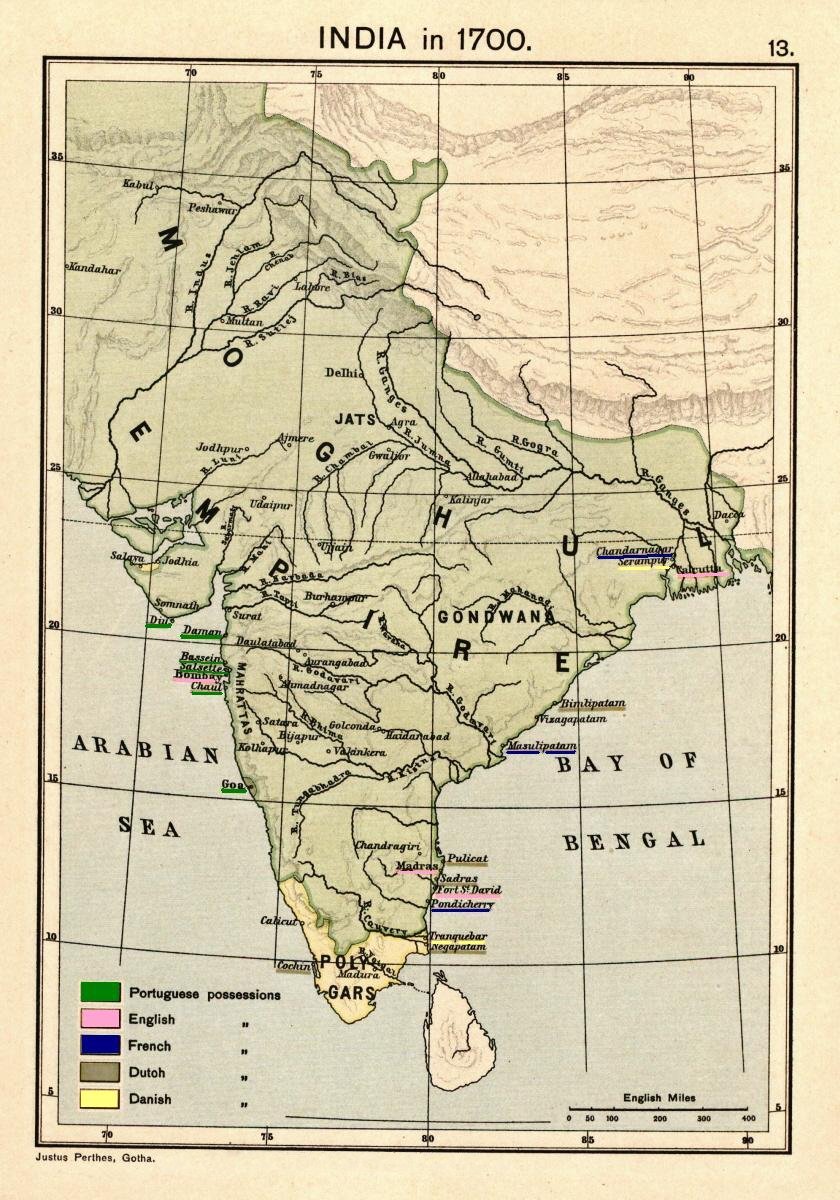
Akbar also reformed the administration by introducing the Mansabdari system — an efficient military and civil hierarchical system where officials were given ranks based on merit and responsibility. This system bound nobles from various ethnic and religious backgrounds into a loyal administrative structure. As a result, the empire spanning from Afghanistan to the Bay of Bengal could be effectively governed.
The Golden Age of Shah Jahan and Mumtaz Mahal
The peak of Mughal art and architecture occurred under the rule of Shah Jahan (1628–1658). This grandson of Akbar was an unmatched patron of the arts. Under his reign, the Mughal Empire reached the height of luxury and cultural refinement.
The most renowned achievement is undoubtedly the Taj Mahal in Agra. Built as a mausoleum for his beloved wife, Mumtaz Mahal, this white marble structure took 22 years to complete, involving 20,000 workers and artisans. Its perfect dome, gardens inspired by the concept of paradise in the Quran, and calligraphy adorning its walls make the Taj Mahal one of the Seven Wonders of the Modern World. This building is not just a monument of love, but also a statement of the grandeur of Islamic art — where geometry, symmetry, and natural beauty are united in a magnificent composition.
In Delhi, Shah Jahan built the new city of Shahjahanabad, which includes the Red Fort and the grand Jama Masjid. The Jama Masjid, with a courtyard that can accommodate 25,000 worshippers, remains a symbol of Islamic architectural grandeur to this day.
Art and Culture: A Captivating Syncretism
The Mughal Empire was not only brilliant in architecture. Mughal miniature paintings, which combined Persian traditions with local Indian styles, reached a high level of perfection. Under the patronage of Akbar and Jahangir, the royal studios produced illuminated manuscripts depicting epic stories, landscapes, and portraits of emperors with extraordinary detail. This style later influenced painting across the Indian subcontinent.
In the field of music, the Mughals enriched classical Indian traditions. Emperors Jahangir and Shah Jahan were music lovers, and their courts often hosted performances by musicians from various traditions. Instruments like the sitar and tabla were developed and refined during this period.
The Urdu language also emerged from the interaction between Mughal soldiers (who spoke Persian and Turkish) and the local Hindi-speaking population. This language later became a rich literary and administrative language, combining Persian-Arabic vocabulary with Hindi grammatical structures.
Science and Technology: An Overlooked Legacy
Although often overshadowed by architecture, the Mughals also contributed to the field of science. Rulers like Akbar and Shah Jahan encouraged the translation of Greek, Persian, and Sanskrit works into Persian. Astronomical observatories were built, and irrigation and agricultural techniques were improved.
The Mughal financial system was also advanced. The silver rupee introduced by Sher Shah Suri (and maintained by the Mughals) became the standard currency for trade throughout South Asia. A land revenue system based on land measurement and crop yield was introduced, forming the basis of the land tax system in India until the British era.
Decline and Enduring Legacy
After the death of Aurangzeb in 1707, the empire began to decline due to internal power struggles, regional rebellions, and external pressures. Nevertheless, the Mughal legacy never faded. When the British took over India in the 19th century, they inherited the administrative systems, laws, and culture built by the Mughals. The name "India" itself comes from the Greek reference to the Indus River, but it was the Mughal Empire that unified almost the entire subcontinent under one government and one cultural identity.
Today, when we see the gleaming Taj Mahal under the moonlight, or hear the melodies of qawwali at Sufi shrines, or read the beautiful Urdu poetry, we are directly witnessing the legacy of the Mughal Empire. It is proof that Islam, when it meets the rich local cultures, can produce a civilization that is not only grand but also inclusive and mesmerizing.
Conclusion: A Civilization That Inspires
The Mughal Empire is not just a historical record of conquest and politics. It is a story of how Islam could become a bridge between different communities, languages, and religions. From Akbar's policy of Sulh-e-Kul to the timeless beauty of the Taj Mahal, the Mughals showed the world that great power can be accompanied by high beauty and deep tolerance.
For us Muslims today, the Mughal legacy is a reminder that Islamic civilization can produce the best when it is open to dialogue, creativity, and beauty. In the midst of a world often divided, the Mughal spirit — uniting, building, and glorifying — remains a relevant inspiration.
---
Reference: Mughal Empire — Wikipedia
Mughal Empire: When Islam United India in the Splendor of Art and Culture. The Mughal Empire, founded in 1526 by Babur, reached its peak under the rule of Akbar and Shah Jahan. This empire not only united most of the Indian subcontinent under Islamic banners but also gave rise to remarkable architecture such as the Taj Mahal, an efficient administrative system, and a unique syncretic culture. The Mughal legacy remains as proof of the grandeur of Islamic civilization in South Asia.. Dramatic Beginning: From the Fergana Valley to the Indian Plains
In the spring of 1526, a young general of Central Asian and Genghis Khan descent, named Zahir-ud-din Muhammad Babur, led a small but highly disciplined army down the passes of the Hindu Kush. With approximately 12,000 soldiers, he faced Sultan Ibrahim Lodi, who commanded 100,000 troops and 1,000 war elephants on the battlefield of Panipat. What happened next changed the history of South Asia forever.
Using artillery tactics and new battlefield formations learned from the Ottoman Empire, Babur defeated the much larger Delhi army. This victory in the First Battle of Panipat marked the birth of the Mughal Empire — an empire that would rule India for more than three centuries. Although Babur never saw India as his true homeland his heart remained tied to the gardens of Kabul , he opened a new chapter in Islamic civilization's history.
The Great Akbar: The Unifier and Reformer
If Babur was the founder of the empire, then his grandson, Jalal-ud-din Muhammad Akbar, was the true architect of Mughal glory. Ascending the throne at the age of 13 after his father Humayun's death, Akbar inherited a shaky kingdom. However, within 40 years of his reign 1556–1605 , he transformed it into the most prosperous and stable empire in the world at that time.
Akbar understood that a harsh approach would not work in governing the diverse India. Therefore, he introduced the policy of Sulh-e-Kul, or "peace for all." He abolished the tax on non-Muslims jizyah , appointed many Hindus to high positions, and encouraged interfaith dialogue. At Fatehpur Sikri, his capital, Hindu, Muslim, Christian, Jain, and Zoroastrian scholars often gathered to debate about divinity and philosophy.
Akbar also reformed the administration by introducing the Mansabdari system — an efficient military and civil hierarchical system where officials were given ranks based on merit and responsibility. This system bound nobles from various ethnic and religious backgrounds into a loyal administrative structure. As a result, the empire spanning from Afghanistan to the Bay of Bengal could be effectively governed.
The Golden Age of Shah Jahan and Mumtaz Mahal
The peak of Mughal art and architecture occurred under the rule of Shah Jahan 1628–1658 . This grandson of Akbar was an unmatched patron of the arts. Under his reign, the Mughal Empire reached the height of luxury and cultural refinement.
The most renowned achievement is undoubtedly the Taj Mahal in Agra. Built as a mausoleum for his beloved wife, Mumtaz Mahal, this white marble structure took 22 years to complete, involving 20,000 workers and artisans. Its perfect dome, gardens inspired by the concept of paradise in the Quran, and calligraphy adorning its walls make the Taj Mahal one of the Seven Wonders of the Modern World. This building is not just a monument of love, but also a statement of the grandeur of Islamic art — where geometry, symmetry, and natural beauty are united in a magnificent composition.
In Delhi, Shah Jahan built the new city of Shahjahanabad, which includes the Red Fort and the grand Jama Masjid. The Jama Masjid, with a courtyard that can accommodate 25,000 worshippers, remains a symbol of Islamic architectural grandeur to this day.
Art and Culture: A Captivating Syncretism
The Mughal Empire was not only brilliant in architecture. Mughal miniature paintings, which combined Persian traditions with local Indian styles, reached a high level of perfection. Under the patronage of Akbar and Jahangir, the royal studios produced illuminated manuscripts depicting epic stories, landscapes, and portraits of emperors with extraordinary detail. This style later influenced painting across the Indian subcontinent.
In the field of music, the Mughals enriched classical Indian traditions. Emperors Jahangir and Shah Jahan were music lovers, and their courts often hosted performances by musicians from various traditions. Instruments like the sitar and tabla were developed and refined during this period.
The Urdu language also emerged from the interaction between Mughal soldiers who spoke Persian and Turkish and the local Hindi-speaking population. This language later became a rich literary and administrative language, combining Persian-Arabic vocabulary with Hindi grammatical structures.
Science and Technology: An Overlooked Legacy
Although often overshadowed by architecture, the Mughals also contributed to the field of science. Rulers like Akbar and Shah Jahan encouraged the translation of Greek, Persian, and Sanskrit works into Persian. Astronomical observatories were built, and irrigation and agricultural techniques were improved.
The Mughal financial system was also advanced. The silver rupee introduced by Sher Shah Suri and maintained by the Mughals became the standard currency for trade throughout South Asia. A land revenue system based on land measurement and crop yield was introduced, forming the basis of the land tax system in India until the British era.
Decline and Enduring Legacy
After the death of Aurangzeb in 1707, the empire began to decline due to internal power struggles, regional rebellions, and external pressures. Nevertheless, the Mughal legacy never faded. When the British took over India in the 19th century, they inherited the administrative systems, laws, and culture built by the Mughals. The name "India" itself comes from the Greek reference to the Indus River, but it was the Mughal Empire that unified almost the entire subcontinent under one government and one cultural identity.
Today, when we see the gleaming Taj Mahal under the moonlight, or hear the melodies of qawwali at Sufi shrines, or read the beautiful Urdu poetry, we are directly witnessing the legacy of the Mughal Empire. It is proof that Islam, when it meets the rich local cultures, can produce a civilization that is not only grand but also inclusive and mesmerizing.
Conclusion: A Civilization That Inspires
The Mughal Empire is not just a historical record of conquest and politics. It is a story of how Islam could become a bridge between different communities, languages, and religions. From Akbar's policy of Sulh-e-Kul to the timeless beauty of the Taj Mahal, the Mughals showed the world that great power can be accompanied by high beauty and deep tolerance.
For us Muslims today, the Mughal legacy is a reminder that Islamic civilization can produce the best when it is open to dialogue, creativity, and beauty. In the midst of a world often divided, the Mughal spirit — uniting, building, and glorifying — remains a relevant inspiration.
---
Reference: Mughal Empire — Wikipedia https://en.wikipedia.org/wiki/Mughal Empire