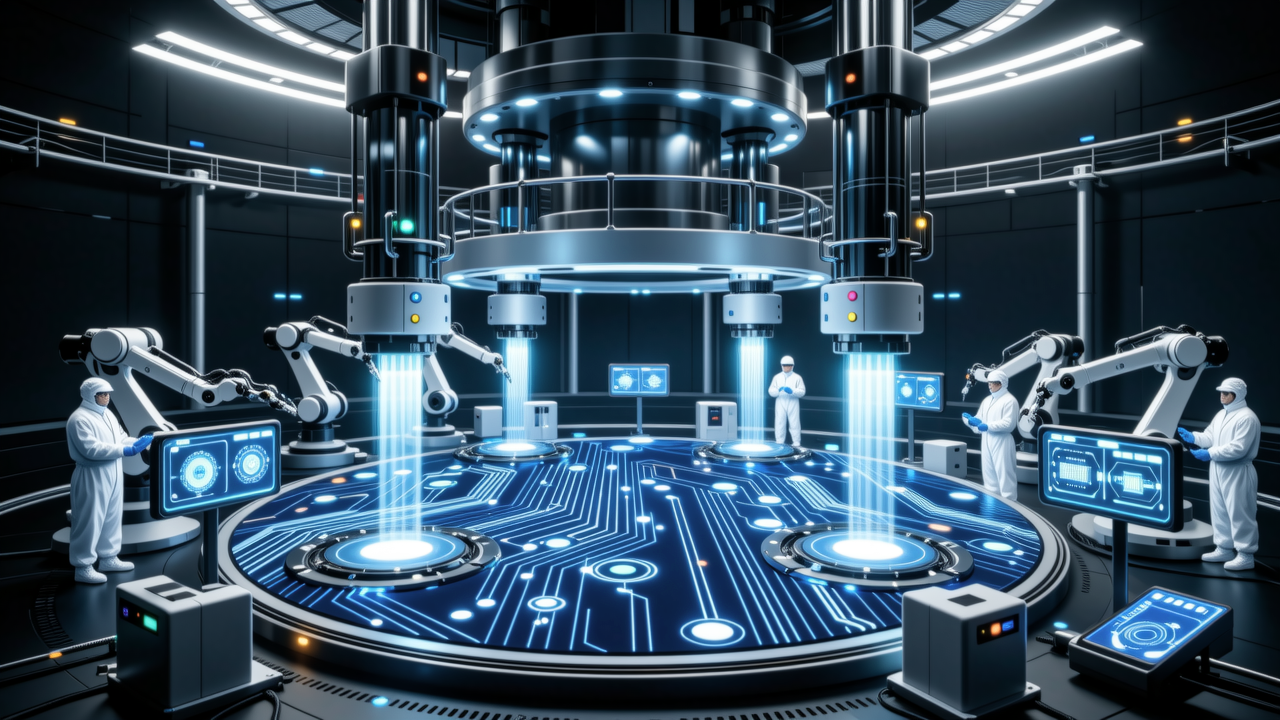
Kecerdasan Buatan (AI) kini bukan hanya medan perangkat lunak, tetapi menjadi jantung utama perangkat keras yang sedang didorong cepat oleh raksasa teknologi Korea Selatan. Dalam sebuah pengumuman yang mengejutkan analis pasar, konglomerat elektronik terkemuka negara itu mengungkapkan rencana untuk membangun cip AI generasi keenam yang jauh lebih cepat dan hemat energi dibandingkan pesaing dari Amerika Serikat dan Taiwan. Langkah ini dianggap sebagai upaya strategis untuk mempertahankan posisi Korea Selatan sebagai pemimpin mutlak semikonduktor memori dunia, sekaligus memasuki pasar logika pemrosesan yang selama ini didominasi entitas asing.
Ahli industri memprediksi investasi bernilai puluhan miliar dolar ini tidak hanya akan menciptakan ribuan peluang kerja berketerampilan tinggi di Seoul dan Gyeonggi, tetapi juga menjadi penggerak bagi pembentukan klaster inovasi regional. "Ini adalah revolusi yang tidak bisa kita lewatkan. Kami melihat lonjakan permintaan luar biasa untuk perangkat yang didukung kecerdasan buatan, baik untuk ponsel pintar, mobil otonom, hingga server awan untuk pusat data internasional," ujar seorang kepala eksekutif dalam konferensi pers di Gangnam. Ia juga menegaskan pentingnya kerja sama erat antara pemerintah dan swasta (PPP) dalam merealisasikan visi ini, terutama ketika geopolitik global yang semakin menantang menuntut rantai pasok cip yang lebih mandiri dan berkelanjutan.
Untuk merealisasikan visi tersebut, pusat penelitian dan pengembangan (R&D) di seluruh negara kini beroperasi tanpa henti. Insinyur dan ilmuwan komputer dari universitas bergengsi seperti KAIST dan Seoul National University turut dikumpulkan untuk memecahkan batas hukum Moore. Mereka kini giat mengeksplorasi berbagai bahan langka dan alternatif silikon, serta arsitektur penyusunan cip 3D yang menjanjikan performa luar biasa pada skala nanometer. Lebih menarik lagi, inisiatif ramah lingkungan juga disisipkan dalam operasi produksi cip ini untuk mengurangi jejak karbon, sejalan dengan komitmen nol karbon negara menjelang tahun 2050.
Selain itu, peralihan ini juga diharapkan memberi dampak mendalam pada rantai pasok sekunder, termasuk perusahaan startup teknologi lokal yang menyediakan suku cadang dan sistem otomasi kepada fasilitas fabrikasi besar ini. Survei pasar menemukan sentimen positif di bursa saham Kospi, di mana nilai saham sektor semikonduktor melonjak tajam segera setelah pengumuman dibuat. Bagi warga setempat, perkembangan ini merupakan simbol kebanggaan nasional yang memperkuat reputasi Korea Selatan sebagai inovator teknologi internasional. Meskipun demikian, tantangan tetap ada, terutama dari segi mendapatkan bakat asing dan persaingan sengit, namun dengan rencana jangka panjang yang kuat, inisiatif ini tampaknya berada pada jalur yang tepat untuk menciptakan sejarah baru.
Raksasa Teknologi Korea Selatan, Samsung, Mengambil Pasar Cip AI Generasi Keenam untuk Mendominasi Pasar Global. Investasi miliar dolar yang dialirkan oleh pemerintah dan konglomerat Korea Selatan untuk memacu pengembangan cip kecerdasan buatan, memastikan posisi strategis negara dalam perlombaan teknologi semikonduktor dunia.. Kecerdasan Buatan AI kini bukan hanya medan perangkat lunak, tetapi menjadi jantung utama perangkat keras yang sedang didorong cepat oleh raksasa teknologi Korea Selatan. Dalam sebuah pengumuman yang mengejutkan analis pasar, konglomerat elektronik terkemuka negara itu mengungkapkan rencana untuk membangun cip AI generasi keenam yang jauh lebih cepat dan hemat energi dibandingkan pesaing dari Amerika Serikat dan Taiwan. Langkah ini dianggap sebagai upaya strategis untuk mempertahankan posisi Korea Selatan sebagai pemimpin mutlak semikonduktor memori dunia, sekaligus memasuki pasar logika pemrosesan yang selama ini didominasi entitas asing.
Ahli industri memprediksi investasi bernilai puluhan miliar dolar ini tidak hanya akan menciptakan ribuan peluang kerja berketerampilan tinggi di Seoul dan Gyeonggi, tetapi juga menjadi penggerak bagi pembentukan klaster inovasi regional. "Ini adalah revolusi yang tidak bisa kita lewatkan. Kami melihat lonjakan permintaan luar biasa untuk perangkat yang didukung kecerdasan buatan, baik untuk ponsel pintar, mobil otonom, hingga server awan untuk pusat data internasional," ujar seorang kepala eksekutif dalam konferensi pers di Gangnam. Ia juga menegaskan pentingnya kerja sama erat antara pemerintah dan swasta PPP dalam merealisasikan visi ini, terutama ketika geopolitik global yang semakin menantang menuntut rantai pasok cip yang lebih mandiri dan berkelanjutan.
Untuk merealisasikan visi tersebut, pusat penelitian dan pengembangan R&D di seluruh negara kini beroperasi tanpa henti. Insinyur dan ilmuwan komputer dari universitas bergengsi seperti KAIST dan Seoul National University turut dikumpulkan untuk memecahkan batas hukum Moore. Mereka kini giat mengeksplorasi berbagai bahan langka dan alternatif silikon, serta arsitektur penyusunan cip 3D yang menjanjikan performa luar biasa pada skala nanometer. Lebih menarik lagi, inisiatif ramah lingkungan juga disisipkan dalam operasi produksi cip ini untuk mengurangi jejak karbon, sejalan dengan komitmen nol karbon negara menjelang tahun 2050.
Selain itu, peralihan ini juga diharapkan memberi dampak mendalam pada rantai pasok sekunder, termasuk perusahaan startup teknologi lokal yang menyediakan suku cadang dan sistem otomasi kepada fasilitas fabrikasi besar ini. Survei pasar menemukan sentimen positif di bursa saham Kospi, di mana nilai saham sektor semikonduktor melonjak tajam segera setelah pengumuman dibuat. Bagi warga setempat, perkembangan ini merupakan simbol kebanggaan nasional yang memperkuat reputasi Korea Selatan sebagai inovator teknologi internasional. Meskipun demikian, tantangan tetap ada, terutama dari segi mendapatkan bakat asing dan persaingan sengit, namun dengan rencana jangka panjang yang kuat, inisiatif ini tampaknya berada pada jalur yang tepat untuk menciptakan sejarah baru.