Introduction: The Sky Weeps Blood
Imagine walking in heavy rain, but the water falling is not clear—it's red like blood. Your clothes turn pink, puddles of water become red pools. That's what the residents of Kerala, India, experienced in 2001. This event wasn't once, but repeated since 1896, with different colors such as yellow, green, and black. However, the most surprising claim is that some scientists suggested this rain contains cells that may have originated from outer space. Is this the first evidence of extraterrestrial life, or just a common natural occurrence?
Basic Facts: What Is the Red Rain in Kerala?
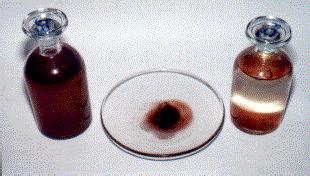
The red rain in Kerala refers to the phenomenon of colored rain falling in the Wayanad area of Kerala on July 15, 1957, and sporadically from July 25 to September 23, 2001. Reports also mention similar events in 1896, June 2012, and November-December 2012 in Sri Lanka. Red is the most dominant color, but there are also reports of yellow, green, and black rain. When this rain fell, it left a red stain on clothes and surfaces, causing panic and speculation.
Initially, scientists suspected the color was caused by dust from meteor explosions. However, a 2001 light microscope study rejected this theory. Instead, a study commissioned by the Indian government claimed that the red color came from the prolific spores of a local green algae genus Trentepohlia. This algae usually grows on tree bark and rocks, and its red spores can be carried by wind and mixed with rainwater. However, this explanation did not satisfy everyone.
Scientific Hypotheses: Algae or Something Else?
Trentepohlia Algae Theory
Official Indian government studies found that
Trentepohlia algae spores are red due to their carotenoid content. These spores are very light and can spread widely through monsoon winds. This explains why red rain occurs only during the monsoon season and in specific areas. However, skeptics raise questions: why do these spores suddenly appear in large quantities to color the entire rain? And why does this phenomenon occur only in Kerala and Sri Lanka, while
Trentepohlia algae are found worldwide?
Alien Cell Theory
A more controversial hypothesis comes from researchers such as Godfrey Louis and Santhosh Kumar from Mahatma Gandhi University in Kerala. They claim that the red particles in the rain are not algae spores, but unknown biological cells. In their study, these cells have thick cell walls, can reproduce at high temperatures (up to 300°C), and do not have DNA detectable by standard techniques. They suggest that these cells may have come from comets or meteors exploding in the upper atmosphere, then mixing with rain clouds. This is known as the
panspermia theory—the idea that life can spread through space.
Louis and Kumar also claim that these cells can enter the human body and cause mysterious diseases. However, this claim has been rejected by most biologists due to lack of solid evidence. Nevertheless, their study was published in the journal Astrophysics and Space Science in 2006, sparking heated debate.
Unanswered Questions
1. Why Only in Kerala?
If
Trentepohlia algae is the cause, why does this phenomenon not occur elsewhere with the same population of algae? Some argue that local monsoon winds and the topography of Kerala may trap the spores, but this remains speculation.
2. Are the Particles Actually Spores?
A 2012 electron microscope study by a team from the Indian Institute of Technology found that the red particles did not have characteristics of algae spores, such as a nucleus and chloroplasts. Instead, they appeared to be more primitive cell structures, resembling
prokaryotes or ancient bacteria. This opens up the possibility that they could be an alien organism.
3. Repeated Occurrences for Over a Century
Red rain has been reported since 1896, long before modern space flights. If it is algae spores, why hasn't it spread to other areas? And why does its color change? There are theories that it may be related to volcanic activity or dust from the Arabian Desert, but there is no direct evidence.
4. No Definitive Explanation
Although the Indian government has issued an official report, many independent scientists remain skeptical. To date, original samples from 2001 have been lost or contaminated, making independent verification impossible. This leaves room for conspiracy theories—some claim the government is hiding evidence of extraterrestrial life.
Conclusion: A Mystery Still Red
The red rain in Kerala remains one of the most mysterious natural phenomena of the century. Whether it is a common algae spore or alien cells from distant stars, the answer still lies in the clouds—literally. One thing is certain, this event reminds us how little we know about our world, let alone the universe. Perhaps one day, when technology advances, we will be able to solve this mystery. Or perhaps, it will continue to be a question that makes us look up at the sky with wonder.
Whatever the case, if you have the opportunity to visit Kerala during the monsoon season, bring an umbrella. Who knows, this time the rain might fall in a different color. Or maybe, with a message from space.
---
Reference: Red rain in Kerala — Wikipedia
Red Rain in Kerala: Tears of the Sky or Alien Cells?. In July to September 2001, the Indian state of Kerala was shocked by a mysterious red rain. The thick red color not only stained clothes but also sparked extreme scientific theories: some claimed it contained alien cells from outer space. This article explores the facts, hypotheses, and unresolved questions surrounding the phenomenon.. Introduction: The Sky Weeps Blood
Imagine walking in heavy rain, but the water falling is not clear—it's red like blood. Your clothes turn pink, puddles of water become red pools. That's what the residents of Kerala, India, experienced in 2001. This event wasn't once, but repeated since 1896, with different colors such as yellow, green, and black. However, the most surprising claim is that some scientists suggested this rain contains cells that may have originated from outer space. Is this the first evidence of extraterrestrial life, or just a common natural occurrence?
Basic Facts: What Is the Red Rain in Kerala?
The red rain in Kerala refers to the phenomenon of colored rain falling in the Wayanad area of Kerala on July 15, 1957, and sporadically from July 25 to September 23, 2001. Reports also mention similar events in 1896, June 2012, and November-December 2012 in Sri Lanka. Red is the most dominant color, but there are also reports of yellow, green, and black rain. When this rain fell, it left a red stain on clothes and surfaces, causing panic and speculation.
Initially, scientists suspected the color was caused by dust from meteor explosions. However, a 2001 light microscope study rejected this theory. Instead, a study commissioned by the Indian government claimed that the red color came from the prolific spores of a local green algae genus Trentepohlia . This algae usually grows on tree bark and rocks, and its red spores can be carried by wind and mixed with rainwater. However, this explanation did not satisfy everyone.
Scientific Hypotheses: Algae or Something Else?
Trentepohlia Algae Theory
Official Indian government studies found that Trentepohlia algae spores are red due to their carotenoid content. These spores are very light and can spread widely through monsoon winds. This explains why red rain occurs only during the monsoon season and in specific areas. However, skeptics raise questions: why do these spores suddenly appear in large quantities to color the entire rain? And why does this phenomenon occur only in Kerala and Sri Lanka, while Trentepohlia algae are found worldwide?
Alien Cell Theory
A more controversial hypothesis comes from researchers such as Godfrey Louis and Santhosh Kumar from Mahatma Gandhi University in Kerala. They claim that the red particles in the rain are not algae spores, but unknown biological cells. In their study, these cells have thick cell walls, can reproduce at high temperatures up to 300°C , and do not have DNA detectable by standard techniques. They suggest that these cells may have come from comets or meteors exploding in the upper atmosphere, then mixing with rain clouds. This is known as the panspermia theory—the idea that life can spread through space.
Louis and Kumar also claim that these cells can enter the human body and cause mysterious diseases. However, this claim has been rejected by most biologists due to lack of solid evidence. Nevertheless, their study was published in the journal Astrophysics and Space Science in 2006, sparking heated debate.
Unanswered Questions
1. Why Only in Kerala?
If Trentepohlia algae is the cause, why does this phenomenon not occur elsewhere with the same population of algae? Some argue that local monsoon winds and the topography of Kerala may trap the spores, but this remains speculation.
2. Are the Particles Actually Spores?
A 2012 electron microscope study by a team from the Indian Institute of Technology found that the red particles did not have characteristics of algae spores, such as a nucleus and chloroplasts. Instead, they appeared to be more primitive cell structures, resembling prokaryotes or ancient bacteria. This opens up the possibility that they could be an alien organism.
3. Repeated Occurrences for Over a Century
Red rain has been reported since 1896, long before modern space flights. If it is algae spores, why hasn't it spread to other areas? And why does its color change? There are theories that it may be related to volcanic activity or dust from the Arabian Desert, but there is no direct evidence.
4. No Definitive Explanation
Although the Indian government has issued an official report, many independent scientists remain skeptical. To date, original samples from 2001 have been lost or contaminated, making independent verification impossible. This leaves room for conspiracy theories—some claim the government is hiding evidence of extraterrestrial life.
Conclusion: A Mystery Still Red
The red rain in Kerala remains one of the most mysterious natural phenomena of the century. Whether it is a common algae spore or alien cells from distant stars, the answer still lies in the clouds—literally. One thing is certain, this event reminds us how little we know about our world, let alone the universe. Perhaps one day, when technology advances, we will be able to solve this mystery. Or perhaps, it will continue to be a question that makes us look up at the sky with wonder.
Whatever the case, if you have the opportunity to visit Kerala during the monsoon season, bring an umbrella. Who knows, this time the rain might fall in a different color. Or maybe, with a message from space.
---
Reference: Red rain in Kerala — Wikipedia https://en.wikipedia.org/wiki/Red rain in Kerala