TAKAMATSU — The Seto Inland Sea, a body of water often called the "Blue Gem of Japan" due to its stunning islands, is now leading the country's environmental protection campaign. Although known for its natural scenery and as an exclusive vacation destination, the waters connecting three main Japanese islands have long struggled with the silent threat of oceanic plastic waste. As a response, a unique consortium involving regional government, private companies, marine biologists, and local volunteers has been launched to implement the most comprehensive recycling action plan in the country.
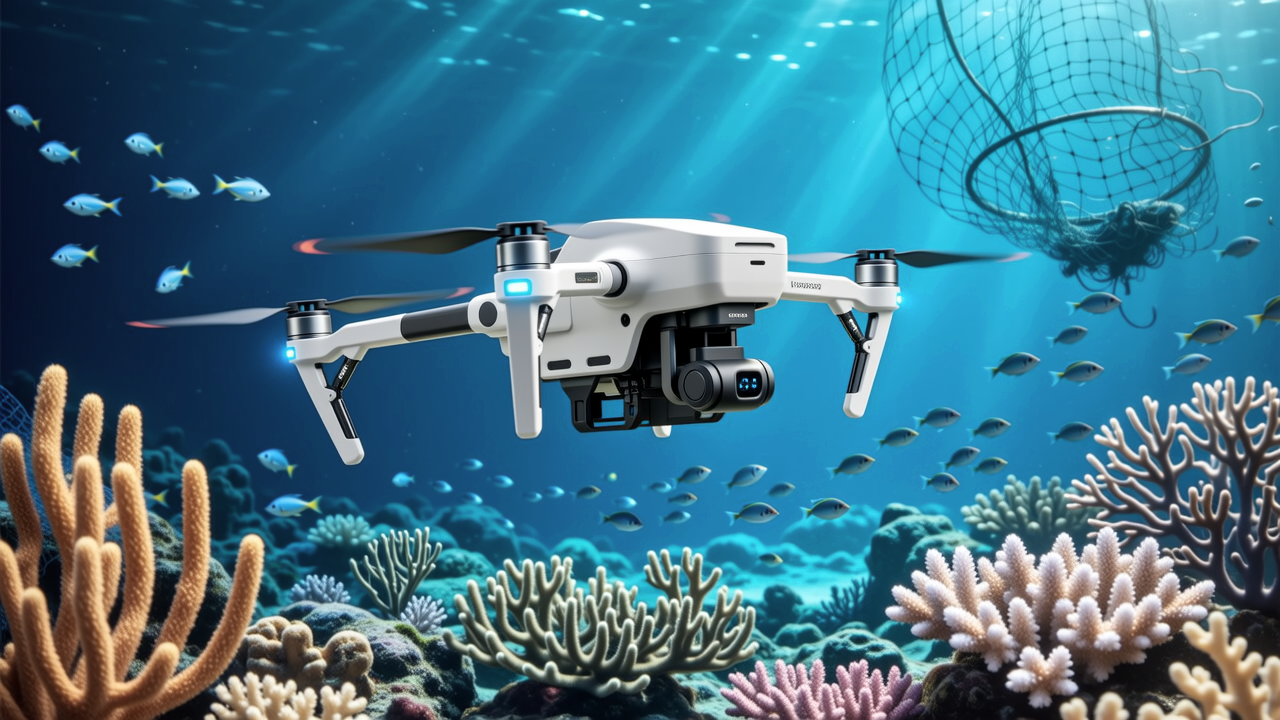
Under this bold initiative, the approach involves not only physical cleaning operations on the coastline but also monitoring and control at the source level. For example, marine researchers at Kagawa University are now using a network of AI-powered unmanned underwater drones to map the routes and density distribution of microplastic waste across the seabed. This high-tech surveillance data is crucial for understanding ocean current patterns that serve as pathways for waste dispersion, enabling authorities to strategically and accurately position trash traps.
Alongside these technological advancements in monitoring, aggressive efforts are also focused on transforming plastic waste into valuable commercial products. At the main processing centers in the Kagawa and Ehime regions, tons of PET bottles, fishing net fragments, and food packaging collected from the sea are sent to modern recycling plants. Using the latest chemical decomposition technology, these waste materials are melted down and processed into high-quality fabric threads and durable eco-friendly construction materials. These recycled products have gained high demand from sportswear manufacturers and leading global fashion companies.
The success of the environmental initiative in the Seto Inland Sea would not have been possible without a paradigm shift among the local fishing community. In the past, damaged nylon nets were often discarded directly into the sea, becoming 'ghost nets' that trapped marine animals until they died tragically. Now, through community awareness programs and a government subsidy system, fishermen are paid cash for each kilogram of old nets and marine waste they bring back to land. This incentive-based approach has changed their mindset from merely fishing for fish to becoming committed 'ocean guardians'.
This remarkable transformation in the Seto Inland Sea is being raised as a model or proof of concept for successful marine conservation on a global scale. It shows that when smart technology is combined with close cooperation at the grassroots community level, even the most serious environmental pollution crises can be successfully addressed. This two-pronged mission has not only succeeded in cleaning polluted oceans but has also stimulated the growth of a new green economy sector that ensures the sustainability of future generations.
The Green Miracle in the Seto Inland Sea: A Comprehensive Initiative to Combat Plastic Waste. The Seto Inland Sea, renowned for its natural beauty, is now the center of Japan's most comprehensive initiative for ocean cleanup and plastic waste recycling.. TAKAMATSU — The Seto Inland Sea, a body of water often called the "Blue Gem of Japan" due to its stunning islands, is now leading the country's environmental protection campaign. Although known for its natural scenery and as an exclusive vacation destination, the waters connecting three main Japanese islands have long struggled with the silent threat of oceanic plastic waste. As a response, a unique consortium involving regional government, private companies, marine biologists, and local volunteers has been launched to implement the most comprehensive recycling action plan in the country.
Under this bold initiative, the approach involves not only physical cleaning operations on the coastline but also monitoring and control at the source level. For example, marine researchers at Kagawa University are now using a network of AI-powered unmanned underwater drones to map the routes and density distribution of microplastic waste across the seabed. This high-tech surveillance data is crucial for understanding ocean current patterns that serve as pathways for waste dispersion, enabling authorities to strategically and accurately position trash traps.
Alongside these technological advancements in monitoring, aggressive efforts are also focused on transforming plastic waste into valuable commercial products. At the main processing centers in the Kagawa and Ehime regions, tons of PET bottles, fishing net fragments, and food packaging collected from the sea are sent to modern recycling plants. Using the latest chemical decomposition technology, these waste materials are melted down and processed into high-quality fabric threads and durable eco-friendly construction materials. These recycled products have gained high demand from sportswear manufacturers and leading global fashion companies.
The success of the environmental initiative in the Seto Inland Sea would not have been possible without a paradigm shift among the local fishing community. In the past, damaged nylon nets were often discarded directly into the sea, becoming 'ghost nets' that trapped marine animals until they died tragically. Now, through community awareness programs and a government subsidy system, fishermen are paid cash for each kilogram of old nets and marine waste they bring back to land. This incentive-based approach has changed their mindset from merely fishing for fish to becoming committed 'ocean guardians'.
This remarkable transformation in the Seto Inland Sea is being raised as a model or proof of concept for successful marine conservation on a global scale. It shows that when smart technology is combined with close cooperation at the grassroots community level, even the most serious environmental pollution crises can be successfully addressed. This two-pronged mission has not only succeeded in cleaning polluted oceans but has also stimulated the growth of a new green economy sector that ensures the sustainability of future generations.