Introduction: The Hidden Rhythm in Daily Life
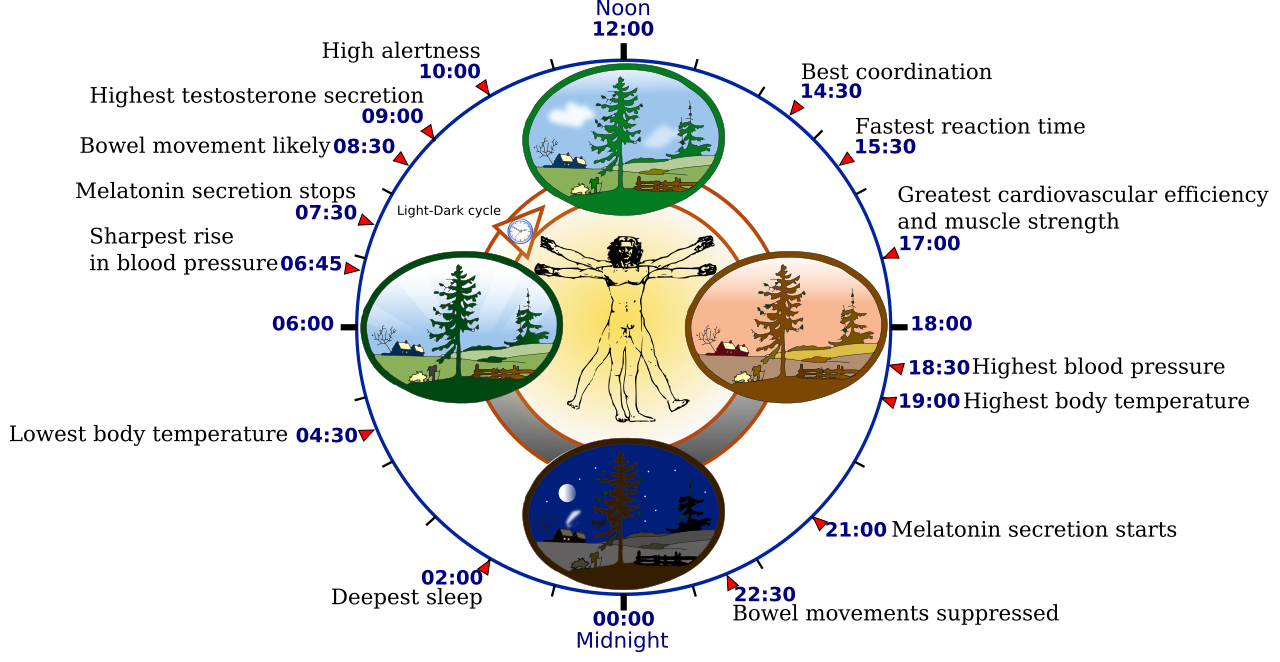
Have you ever noticed why we feel tired at night and refreshed in the morning, even without a clock? The answer lies in a remarkable biological system known as the circadian rhythm. The term comes from the Latin words 'circa' (around) and 'dies' (day), literally meaning 'around a day'. It is a natural cycle that repeats every 24 hours and influences almost every aspect of our body's functions. Imagine it like a symphony conductor ensuring each musical instrument (body organs) plays at the right time to produce a harmonious life symphony.
How the Biological Clock Works?
Circadian rhythms are endogenous, meaning they originate from within our own bodies. The main control center for this biological clock is located in the brain, specifically in the suprachiasmatic nucleus (SCN) in the hypothalamus. The SCN receives direct signals from the eyes through the optic nerve, allowing it to 'know' whether it is light or dark outside. This is how our internal clock synchronizes with the day-night cycle of the environment. This adjustment process is called 'entrainment', where external signals such as light (known as 'zeitgebers' or 'time givers') help reset our biological clock every day. Without these signals, our internal clock would run freely, causing our cycle to be approximately 24.1 to 24.2 hours, slightly longer than a real day.
Factors That Influence the Circadian Rhythm
Although the circadian rhythm is endogenous, it is highly responsive to the environment. Among the main factors that influence it include:
- Light: This is the strongest 'zeitgeber'. Exposure to blue light in the morning helps suppress melatonin (the sleep hormone) and increase alertness. Conversely, dim light in the evening tells the body to start producing melatonin.
- Meal Time: An irregular eating pattern can disrupt the biological clock. Eating at the same time every day helps synchronize the peripheral clocks in organs such as the liver and pancreas.
- Physical Activity: Exercising at a consistent time can help strengthen the circadian rhythm, especially if done in the morning or early afternoon.
- Body Temperature: Our core body temperature drops during the night to facilitate sleep and increases in the morning to help us wake up.
Health Implications When the Circadian Rhythm Is Disrupted
When our biological clock is not aligned with the environment, it can lead to various health problems. This disruption often occurs among shift workers, travelers who frequently cross time zones, or those with irregular sleep habits. Among the implications include:
- Sleep Disorders: Insomnia, restless sleep, and daytime fatigue are among the most common symptoms.
- Metabolic Problems: Studies show that disruptions in the circadian rhythm can increase the risk of obesity, type 2 diabetes, and cardiovascular diseases because it disrupts glucose and fat metabolism.
- Mood Disorders: Depression, anxiety, and mood changes are often associated with biological clock imbalances.
- Reduced Cognitive Function: Attention, memory, and decision-making abilities can be impaired when the circadian rhythm is disrupted.
Practical Ways to Maintain a Healthy Circadian Rhythm
The good news is that we can take simple steps to help our biological clock function optimally. Among the recommended strategies include:
- Expose Yourself to Natural Light: Spend at least 15-20 minutes outside in the morning. This helps set your internal clock to daytime.
- Consistent Sleep Time: Try to go to bed and wake up at the same time every day, including on weekends. Consistency strengthens sleep and wake-up signals.
- Reduce Exposure to Blue Light at Night: Avoid using gadgets such as smartphones, tablets, and computers at least one hour before bedtime. If necessary, use blue light filters.
- Maintain a Regular Eating Schedule: Eating at the same time every day helps synchronize the peripheral clocks in your digestive system.
- Smart Exercise Time: Light exercise in the early evening can improve sleep quality, but avoid heavy exercise too close to bedtime.
Creative Comparison: The Biological Clock Like an Orchestra
Imagine our body as an orchestra consisting of hundreds of musicians. Each musician represents one organ or biological process — the heart beats, the liver processes toxins, the brain produces hormones. The circadian rhythm is the conductor of this orchestra. When the conductor strikes the baton at the right time, all musicians play together in harmony, producing a beautiful symphony of life. But if the conductor misjudges the timing (for example, due to jet lag or shift work), the musicians will start playing out of sync. This discordant sound is the illness and discomfort we experience. By maintaining the health of our biological clock, we ensure that this conductor continues to lead our body's orchestra perfectly.
Reflective Questions for Readers
When we reflect on the circadian rhythm, some interesting questions arise. Are you aware that small choices, such as the time you drink coffee or look at your phone screen before bed, can have a significant impact on long-term health? What about those who have to work shifts — is there a way to protect their biological clocks? Perhaps we need to rethink the culture of 'sleeping in on weekends' that often disrupts our circadian rhythm. Think: does your current lifestyle support or disrupt your internal biological clock?
---
Reference: Circadian rhythm — Wikipedia
Internal Biological Clock: The Circadian Rhythm for Optimal Health. Circadian rhythms are natural 24-hour cycles that regulate various functions of our body. This article provides an in-depth explanation of how these biological clocks function, the factors that influence them, and their implications on daily health. You will understand why regular sleep, exposure to sunlight, and consistent eating habits are key to physical and mental well-being.. Introduction: The Hidden Rhythm in Daily Life
Have you ever noticed why we feel tired at night and refreshed in the morning, even without a clock? The answer lies in a remarkable biological system known as the circadian rhythm. The term comes from the Latin words 'circa' around and 'dies' day , literally meaning 'around a day'. It is a natural cycle that repeats every 24 hours and influences almost every aspect of our body's functions. Imagine it like a symphony conductor ensuring each musical instrument body organs plays at the right time to produce a harmonious life symphony.
How the Biological Clock Works?
Circadian rhythms are endogenous, meaning they originate from within our own bodies. The main control center for this biological clock is located in the brain, specifically in the suprachiasmatic nucleus SCN in the hypothalamus. The SCN receives direct signals from the eyes through the optic nerve, allowing it to 'know' whether it is light or dark outside. This is how our internal clock synchronizes with the day-night cycle of the environment. This adjustment process is called 'entrainment', where external signals such as light known as 'zeitgebers' or 'time givers' help reset our biological clock every day. Without these signals, our internal clock would run freely, causing our cycle to be approximately 24.1 to 24.2 hours, slightly longer than a real day.
Factors That Influence the Circadian Rhythm
Although the circadian rhythm is endogenous, it is highly responsive to the environment. Among the main factors that influence it include:
Light: This is the strongest 'zeitgeber'. Exposure to blue light in the morning helps suppress melatonin the sleep hormone and increase alertness. Conversely, dim light in the evening tells the body to start producing melatonin.
Meal Time: An irregular eating pattern can disrupt the biological clock. Eating at the same time every day helps synchronize the peripheral clocks in organs such as the liver and pancreas.
Physical Activity: Exercising at a consistent time can help strengthen the circadian rhythm, especially if done in the morning or early afternoon.
Body Temperature: Our core body temperature drops during the night to facilitate sleep and increases in the morning to help us wake up.
Health Implications When the Circadian Rhythm Is Disrupted
When our biological clock is not aligned with the environment, it can lead to various health problems. This disruption often occurs among shift workers, travelers who frequently cross time zones, or those with irregular sleep habits. Among the implications include:
Sleep Disorders: Insomnia, restless sleep, and daytime fatigue are among the most common symptoms.
Metabolic Problems: Studies show that disruptions in the circadian rhythm can increase the risk of obesity, type 2 diabetes, and cardiovascular diseases because it disrupts glucose and fat metabolism.
Mood Disorders: Depression, anxiety, and mood changes are often associated with biological clock imbalances.
Reduced Cognitive Function: Attention, memory, and decision-making abilities can be impaired when the circadian rhythm is disrupted.
Practical Ways to Maintain a Healthy Circadian Rhythm
The good news is that we can take simple steps to help our biological clock function optimally. Among the recommended strategies include:
Expose Yourself to Natural Light: Spend at least 15-20 minutes outside in the morning. This helps set your internal clock to daytime.
Consistent Sleep Time: Try to go to bed and wake up at the same time every day, including on weekends. Consistency strengthens sleep and wake-up signals.
Reduce Exposure to Blue Light at Night: Avoid using gadgets such as smartphones, tablets, and computers at least one hour before bedtime. If necessary, use blue light filters.
Maintain a Regular Eating Schedule: Eating at the same time every day helps synchronize the peripheral clocks in your digestive system.
Smart Exercise Time: Light exercise in the early evening can improve sleep quality, but avoid heavy exercise too close to bedtime.
Creative Comparison: The Biological Clock Like an Orchestra
Imagine our body as an orchestra consisting of hundreds of musicians. Each musician represents one organ or biological process — the heart beats, the liver processes toxins, the brain produces hormones. The circadian rhythm is the conductor of this orchestra. When the conductor strikes the baton at the right time, all musicians play together in harmony, producing a beautiful symphony of life. But if the conductor misjudges the timing for example, due to jet lag or shift work , the musicians will start playing out of sync. This discordant sound is the illness and discomfort we experience. By maintaining the health of our biological clock, we ensure that this conductor continues to lead our body's orchestra perfectly.
Reflective Questions for Readers
When we reflect on the circadian rhythm, some interesting questions arise. Are you aware that small choices, such as the time you drink coffee or look at your phone screen before bed, can have a significant impact on long-term health? What about those who have to work shifts — is there a way to protect their biological clocks? Perhaps we need to rethink the culture of 'sleeping in on weekends' that often disrupts our circadian rhythm. Think: does your current lifestyle support or disrupt your internal biological clock?
---
Reference: Circadian rhythm — Wikipedia https://en.wikipedia.org/wiki/Circadian rhythm