🌍 Global coverage 24/7 • 🏯 East Asia: China, Japan, Korea • 🛕 South Asia: India • 🏰 Europe • 🗽 Americas • 🌍 Africa • 🕌 Middle East • 🇵🇸 Palestine Solidarity •
This article is a translation from the original language.
🕌 Stories & Lessons
The Grandeur of Ottoman Architecture: Multi-tiered Domes, Sleek Minarets, and Spacious Interiors
Ottoman architecture is one of the peaks of Islamic civilization, combining Byzantine and Iranian influences with local innovations. The multi-tiered dome system, slender minarets, and spacious interiors are its defining features, especially during the classical 16th and 17th centuries. Great architect Mimar Sinan brought this art to its highest level through monumental mosques such as Süleymaniye and Selimiye. This legacy continues to inspire the world today.
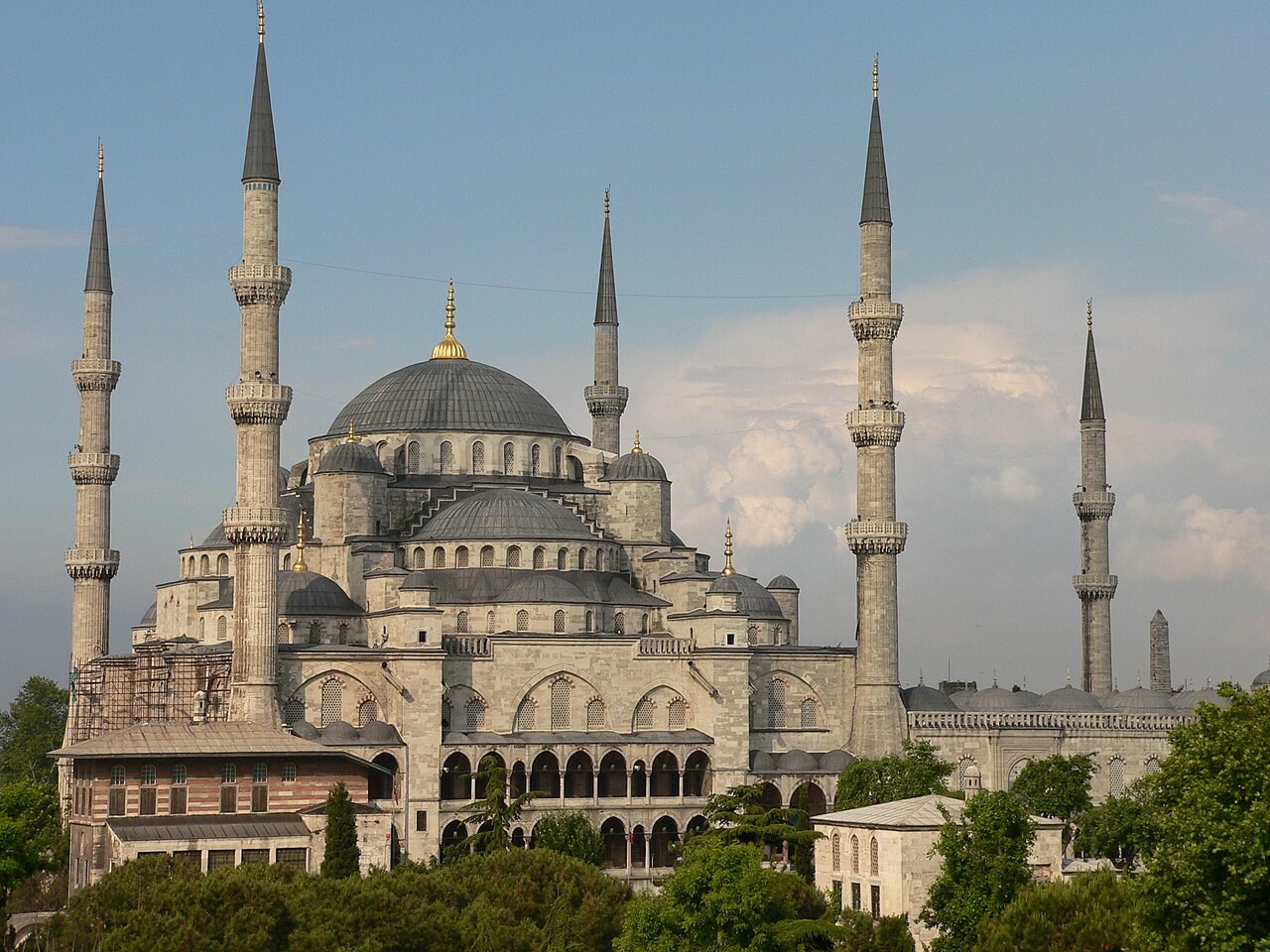
Image: Foto: Wikipedia — Ottoman architecture (CC BY-SA 4.0)
AI
Introduction: An Amazing Legacy
When we talk about the grandeur of the Ottoman civilization, architecture is one of the most fascinating aspects. From the great mosques in Istanbul to the stone bridges in Bosnia, Ottoman architecture is not just physical structures; it is a reflection of faith, power, and aesthetic refinement. This style developed over more than six centuries, from the late 13th century to the early 20th century, leaving a deep mark across the Mediterranean, Middle East, and Balkans.
Origins: From Seljuk Traditions to Ottoman Innovations
Ottoman architecture began in northwest Anatolia around the end of the 13th century. It inherited the Seljuk Turkish architectural traditions, which were already rich in the use of bricks, tiles, and geometric carvings. However, the Ottomans did not merely imitate; they absorbed influences from Byzantine architecture, particularly the Hagia Sophia, as well as from Iran and the broader Islamic world. In the 14th and 15th centuries, Ottoman architects began experimenting with various types of buildings, including mosques, madrasas, caravanserais, and hammams. They gradually developed their own unique style.
One of the early notable features was the use of large domes as the central element of space. This was a major innovation compared to earlier mosques that were simpler. Domes not only provided a monumental scale but also symbolized the sky and the oneness of God. From here, the multi-tiered dome system emerged, becoming a trademark of Ottoman architecture.
Classical Era: Mimar Sinan and the Peak of Grandeur
The 16th and 17th centuries were the golden age of Ottoman architecture, and the most famous name is Mimar Sinan. He was the chief architect of the empire under Sultan Suleiman the Magnificent, Selim II, and Murad III. Sinan is considered the greatest architect in Islamic history, comparable to Michelangelo in the West. He designed over 300 structures, including mosques, schools, hospitals, and bridges.
Three of Sinan's masterpieces are:
Şehzade Mosque (1548) in Istanbul – often regarded as Sinan's first mature work. This mosque has a central dome surrounded by four semi-domes, creating a spacious and bright interior.
Süleymaniye Mosque (1557) – located on a hill in Istanbul, this mosque is a symbol of the empire's glory. Its central dome is 53 meters high, supported by two semi-domes on either side, and four slender minarets rising into the sky. The interior is adorned with beautiful Iznik tiles and calligraphy.
Selimiye Mosque (1575) in Edirne – considered Sinan's masterpiece. Its central dome has a diameter of 31.28 meters, larger than the Hagia Sophia. The mosque was designed with a perfect multi-tiered dome system, where natural light floods the interior through 999 windows. Its slender and elegant minarets reflect the sophistication of the art.
Sinan not only created grand buildings; he also introduced structural innovations such as the use of stone piers to balance the dome, an efficient rainwater drainage system, and remarkable acoustics within the mosque. He proved that architecture could be a combination of function, beauty, and spirituality.
Key Features: Domes, Minarets, and Spacious Interiors
Every classical Ottoman mosque has recognizable characteristics:
Multi-tiered Domes: The central dome is the dominant element, often surrounded by semi-domes or smaller domes forming a visual pyramid. This not only strengthens the structure but also creates a spacious and magnificent interior.
Sleek Minarets: The minarets in Ottoman architecture are tall and slender, usually with one, two, or four balconies (shurfe). These minarets serve as places for the call to prayer and also act as visual markers guiding the eye toward the sky.
Spacious Interiors: Unlike Gothic churches that are narrow and tall, Ottoman mosques emphasize openness. The main prayer hall is usually rectangular or octagonal, with a large dome in the center. The walls are decorated with tiles, calligraphy, and intricate stone carvings.
Courtyard (Sahn): Most major mosques have a large courtyard with a fountain in the center for wudu. This courtyard is connected to the prayer hall through a large gate, creating a harmonious transition from outside to inside.
Use of Light: Sinan and other architects placed great importance on lighting. Windows are positioned at the base of the dome and on the walls to allow natural light to enter. At night, oil lamps and chandeliers provide warmth.
Influence and Legacy
Ottoman architecture was not limited to Turkey. It spread throughout the empire, from Bosnia and Herzegovina to Egypt and Saudi Arabia. For example, the Sultan Ahmed Mosque (Blue Mosque) in Istanbul, built in the early 17th century, has six minarets and famous blue tiles. Outside of Istanbul, the Selimiye Mosque in Edirne and the Suleymaniye Mosque in Damascus show the same influence.
In the 18th century, Ottoman architecture began to receive Western influences, particularly the Baroque style. This led to more elaborate decorations and dynamic forms, as seen in the Nuruosmaniye Mosque and the Laleli Mosque. However, the core elements of the Ottoman tradition—domes, minarets, and spacious interiors—remained preserved.
Conclusion: An Enduring Achievement
Ottoman architecture is a testament to the ability of Islamic civilization to create lasting beauty. Through the multi-tiered dome system, slender minarets, and spacious interiors, architects like Mimar Sinan left a legacy that continues to be admired. These mosques are not only places of worship but also community centers, educational institutions, and cultural hubs. Today, they are major tourist destinations and sources of inspiration for modern architects. The grandeur of Ottoman architecture reminds us that when faith, science, and art come together, the result is something eternal.
The Grandeur of Ottoman Architecture: Multi-tiered Domes, Sleek Minarets, and Spacious Interiors. Ottoman architecture is one of the peaks of Islamic civilization, combining Byzantine and Iranian influences with local innovations. The multi-tiered dome system, slender minarets, and spacious interiors are its defining features, especially during the classical 16th and 17th centuries. Great architect Mimar Sinan brought this art to its highest level through monumental mosques such as Süleymaniye and Selimiye. This legacy continues to inspire the world today.. Introduction: An Amazing Legacy
When we talk about the grandeur of the Ottoman civilization, architecture is one of the most fascinating aspects. From the great mosques in Istanbul to the stone bridges in Bosnia, Ottoman architecture is not just physical structures; it is a reflection of faith, power, and aesthetic refinement. This style developed over more than six centuries, from the late 13th century to the early 20th century, leaving a deep mark across the Mediterranean, Middle East, and Balkans.
Origins: From Seljuk Traditions to Ottoman Innovations
Ottoman architecture began in northwest Anatolia around the end of the 13th century. It inherited the Seljuk Turkish architectural traditions, which were already rich in the use of bricks, tiles, and geometric carvings. However, the Ottomans did not merely imitate; they absorbed influences from Byzantine architecture, particularly the Hagia Sophia, as well as from Iran and the broader Islamic world. In the 14th and 15th centuries, Ottoman architects began experimenting with various types of buildings, including mosques, madrasas, caravanserais, and hammams. They gradually developed their own unique style.
One of the early notable features was the use of large domes as the central element of space. This was a major innovation compared to earlier mosques that were simpler. Domes not only provided a monumental scale but also symbolized the sky and the oneness of God. From here, the multi-tiered dome system emerged, becoming a trademark of Ottoman architecture.
Classical Era: Mimar Sinan and the Peak of Grandeur
The 16th and 17th centuries were the golden age of Ottoman architecture, and the most famous name is Mimar Sinan. He was the chief architect of the empire under Sultan Suleiman the Magnificent, Selim II, and Murad III. Sinan is considered the greatest architect in Islamic history, comparable to Michelangelo in the West. He designed over 300 structures, including mosques, schools, hospitals, and bridges.
Three of Sinan's masterpieces are:
- Şehzade Mosque 1548 in Istanbul – often regarded as Sinan's first mature work. This mosque has a central dome surrounded by four semi-domes, creating a spacious and bright interior.
- Süleymaniye Mosque 1557 – located on a hill in Istanbul, this mosque is a symbol of the empire's glory. Its central dome is 53 meters high, supported by two semi-domes on either side, and four slender minarets rising into the sky. The interior is adorned with beautiful Iznik tiles and calligraphy.
- Selimiye Mosque 1575 in Edirne – considered Sinan's masterpiece. Its central dome has a diameter of 31.28 meters, larger than the Hagia Sophia. The mosque was designed with a perfect multi-tiered dome system, where natural light floods the interior through 999 windows. Its slender and elegant minarets reflect the sophistication of the art.
Sinan not only created grand buildings; he also introduced structural innovations such as the use of stone piers to balance the dome, an efficient rainwater drainage system, and remarkable acoustics within the mosque. He proved that architecture could be a combination of function, beauty, and spirituality.
Key Features: Domes, Minarets, and Spacious Interiors
Every classical Ottoman mosque has recognizable characteristics:
- Multi-tiered Domes : The central dome is the dominant element, often surrounded by semi-domes or smaller domes forming a visual pyramid. This not only strengthens the structure but also creates a spacious and magnificent interior.
- Sleek Minarets : The minarets in Ottoman architecture are tall and slender, usually with one, two, or four balconies shurfe . These minarets serve as places for the call to prayer and also act as visual markers guiding the eye toward the sky.
- Spacious Interiors : Unlike Gothic churches that are narrow and tall, Ottoman mosques emphasize openness. The main prayer hall is usually rectangular or octagonal, with a large dome in the center. The walls are decorated with tiles, calligraphy, and intricate stone carvings.
- Courtyard Sahn : Most major mosques have a large courtyard with a fountain in the center for wudu. This courtyard is connected to the prayer hall through a large gate, creating a harmonious transition from outside to inside.
- Use of Light : Sinan and other architects placed great importance on lighting. Windows are positioned at the base of the dome and on the walls to allow natural light to enter. At night, oil lamps and chandeliers provide warmth.
Influence and Legacy
Ottoman architecture was not limited to Turkey. It spread throughout the empire, from Bosnia and Herzegovina to Egypt and Saudi Arabia. For example, the Sultan Ahmed Mosque Blue Mosque in Istanbul, built in the early 17th century, has six minarets and famous blue tiles. Outside of Istanbul, the Selimiye Mosque in Edirne and the Suleymaniye Mosque in Damascus show the same influence.
In the 18th century, Ottoman architecture began to receive Western influences, particularly the Baroque style. This led to more elaborate decorations and dynamic forms, as seen in the Nuruosmaniye Mosque and the Laleli Mosque. However, the core elements of the Ottoman tradition—domes, minarets, and spacious interiors—remained preserved.
Conclusion: An Enduring Achievement
Ottoman architecture is a testament to the ability of Islamic civilization to create lasting beauty. Through the multi-tiered dome system, slender minarets, and spacious interiors, architects like Mimar Sinan left a legacy that continues to be admired. These mosques are not only places of worship but also community centers, educational institutions, and cultural hubs. Today, they are major tourist destinations and sources of inspiration for modern architects. The grandeur of Ottoman architecture reminds us that when faith, science, and art come together, the result is something eternal.
---
Reference: Ottoman architecture — Wikipedia https://en.wikipedia.org/wiki/Ottoman architecture