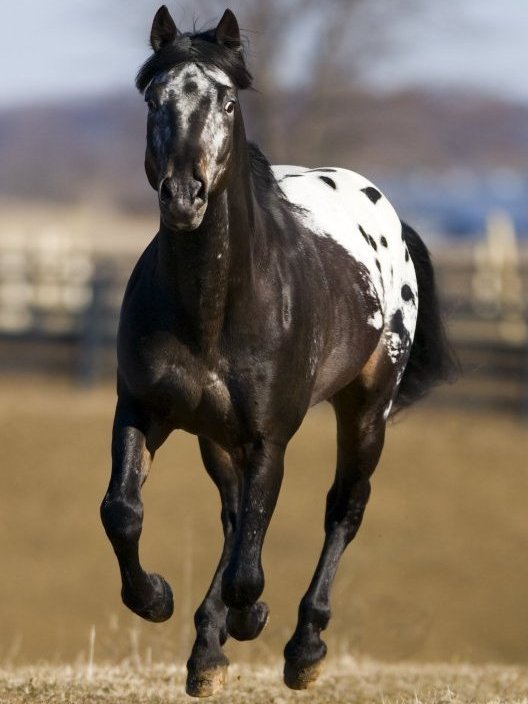
The Appaloosa horse breed stands as one of the most unique icons in the world of riding animals. Renowned worldwide for its colorful and spotted appearance, this breed captures the attention not only of horse lovers and avid riders, but also of animal genetic scientists. The uniqueness of the Appaloosa lies not only in its charming visual aesthetics, but also in the history of physical development and biological uniqueness that shape the profile of this breed as a whole.
Generally, the Appaloosa exhibits a very broad and variable range of body shapes. This diversity occurs as a result of the influence of various other horse breeds integrated throughout the history of its development. This flexible nature in physical structure allows the Appaloosa to be used in various disciplines, from leisure riding and shows to farm work requiring high endurance.
Body Shape Diversity and the Breed's Historical Heritage
The presence of various body shapes in the Appaloosa breed is a manifestation of the history of selective breeding and improvement. Originally, external breed influences provided skeletal and muscle size diversity, making some Appaloosas look sturdier like working horses, while others possess a leaner and more graceful body build for fast running purposes.
This diverse genetic combination makes the Appaloosa breed extremely versatile. Such physical flexibility allows this horse to adapt to various terrains and environments. It is also this physical diversity that continues to be maintained by modern breeders to ensure that the Appaloosa remains relevant in various sporting events and daily uses.
Genetics Behind Coat Patterns and the Leopard Complex Mutation
The most prominent feature of the Appaloosa is undoubtedly its spotted coat pattern. From a biological and genetic standpoint, the color pattern on each individual Appaloosa is the result of a complex genetic interaction where spotted patterns overlap on top of one of several recognized base coat colors. This means no two Appaloosa horses have the exact same pattern.
This mesmerizing phenotypic pattern has a direct relationship with what scientists know as the leopard complex mutation (LP). The LP gene is responsible for producing the spotted pigment and related physical characteristics in this breed. Due to this intricate genetic inheritance nature, the Appaloosa is a very important subject of study in the field of equine coat color genetics. Studies on the LP gene help scientists understand how pigment processing and genetic mutations manifest themselves on the animal's body.
Health Challenges: Equine Recurrent Uveitis and Congenital Night Blindness
Behind the beauty of its coat patterns, the Appaloosa breed has a genetic predisposition to several quite prominent eye health issues. Among the main diseases frequently suffered by this breed is equine recurrent uveitis (ERU). ERU is a chronic eye inflammation that can cause severe pain and, if not treated properly, has the potential to lead to permanent blindness in horses.
Aside from ERU, the Appaloosa breed is also at high risk of experiencing congenital stationary night blindness (CSNB). This CSNB disease causes horses difficulty or inability to see in dark environments or low light intensity. Scientifically, the existence of CSNB has been confirmed to have a direct link with the leopard complex mutation (LP) that determines its coat pattern. This phenomenon demonstrates how a single gene can influence both external physical characteristics and the physiological functions of the animal's visual senses.
Importance of the Appaloosa in Science and Animal Care
Understanding the genetics and health issues of the Appaloosa provides extremely high informational value to horse owners, breeders, and veterinarians. Knowledge regarding the relationship between the LP gene and eye diseases such as CSNB enables more responsible breeding strategies to be carried out to reduce the probability of diseases being inherited by future generations.
In conclusion, the Appaloosa is not just a visually beautiful horse breed, but also an important biological subject in the world of veterinary science and animal genetics. The preservation of this breed requires a balance between maintaining its aesthetic coat pattern heritage and comprehensively safeguarding its health welfare.
Source: Wikipedia — https://en.wikipedia.org/wiki/Appaloosa | License: CC BY-SA 4.0
The Wonder of the Appaloosa Horse Breed: Unique Coat Patterns, Genetic Heritage, and Health Challenges. The Appaloosa is a well-known horse breed from the United States characterized by its attractive spotted coat patterns and diverse body types. Behind this physical beauty, the Appaloosa carries a complex genetic treasure trove through the leopard complex mutation, which is also closely connected to the animal's eye health challenges.. The Appaloosa horse breed stands as one of the most unique icons in the world of riding animals. Renowned worldwide for its colorful and spotted appearance, this breed captures the attention not only of horse lovers and avid riders, but also of animal genetic scientists. The uniqueness of the Appaloosa lies not only in its charming visual aesthetics, but also in the history of physical development and biological uniqueness that shape the profile of this breed as a whole.
Generally, the Appaloosa exhibits a very broad and variable range of body shapes. This diversity occurs as a result of the influence of various other horse breeds integrated throughout the history of its development. This flexible nature in physical structure allows the Appaloosa to be used in various disciplines, from leisure riding and shows to farm work requiring high endurance.
Body Shape Diversity and the Breed's Historical Heritage
The presence of various body shapes in the Appaloosa breed is a manifestation of the history of selective breeding and improvement. Originally, external breed influences provided skeletal and muscle size diversity, making some Appaloosas look sturdier like working horses, while others possess a leaner and more graceful body build for fast running purposes.
This diverse genetic combination makes the Appaloosa breed extremely versatile. Such physical flexibility allows this horse to adapt to various terrains and environments. It is also this physical diversity that continues to be maintained by modern breeders to ensure that the Appaloosa remains relevant in various sporting events and daily uses.
Genetics Behind Coat Patterns and the Leopard Complex Mutation
The most prominent feature of the Appaloosa is undoubtedly its spotted coat pattern. From a biological and genetic standpoint, the color pattern on each individual Appaloosa is the result of a complex genetic interaction where spotted patterns overlap on top of one of several recognized base coat colors. This means no two Appaloosa horses have the exact same pattern.
This mesmerizing phenotypic pattern has a direct relationship with what scientists know as the leopard complex mutation LP . The LP gene is responsible for producing the spotted pigment and related physical characteristics in this breed. Due to this intricate genetic inheritance nature, the Appaloosa is a very important subject of study in the field of equine coat color genetics. Studies on the LP gene help scientists understand how pigment processing and genetic mutations manifest themselves on the animal's body.
Health Challenges: Equine Recurrent Uveitis and Congenital Night Blindness
Behind the beauty of its coat patterns, the Appaloosa breed has a genetic predisposition to several quite prominent eye health issues. Among the main diseases frequently suffered by this breed is equine recurrent uveitis ERU . ERU is a chronic eye inflammation that can cause severe pain and, if not treated properly, has the potential to lead to permanent blindness in horses.
Aside from ERU, the Appaloosa breed is also at high risk of experiencing congenital stationary night blindness CSNB . This CSNB disease causes horses difficulty or inability to see in dark environments or low light intensity. Scientifically, the existence of CSNB has been confirmed to have a direct link with the leopard complex mutation LP that determines its coat pattern. This phenomenon demonstrates how a single gene can influence both external physical characteristics and the physiological functions of the animal's visual senses.
Importance of the Appaloosa in Science and Animal Care
Understanding the genetics and health issues of the Appaloosa provides extremely high informational value to horse owners, breeders, and veterinarians. Knowledge regarding the relationship between the LP gene and eye diseases such as CSNB enables more responsible breeding strategies to be carried out to reduce the probability of diseases being inherited by future generations.
In conclusion, the Appaloosa is not just a visually beautiful horse breed, but also an important biological subject in the world of veterinary science and animal genetics. The preservation of this breed requires a balance between maintaining its aesthetic coat pattern heritage and comprehensively safeguarding its health welfare.
Source: Wikipedia — https://en.wikipedia.org/wiki/Appaloosa License: CC BY-SA 4.0