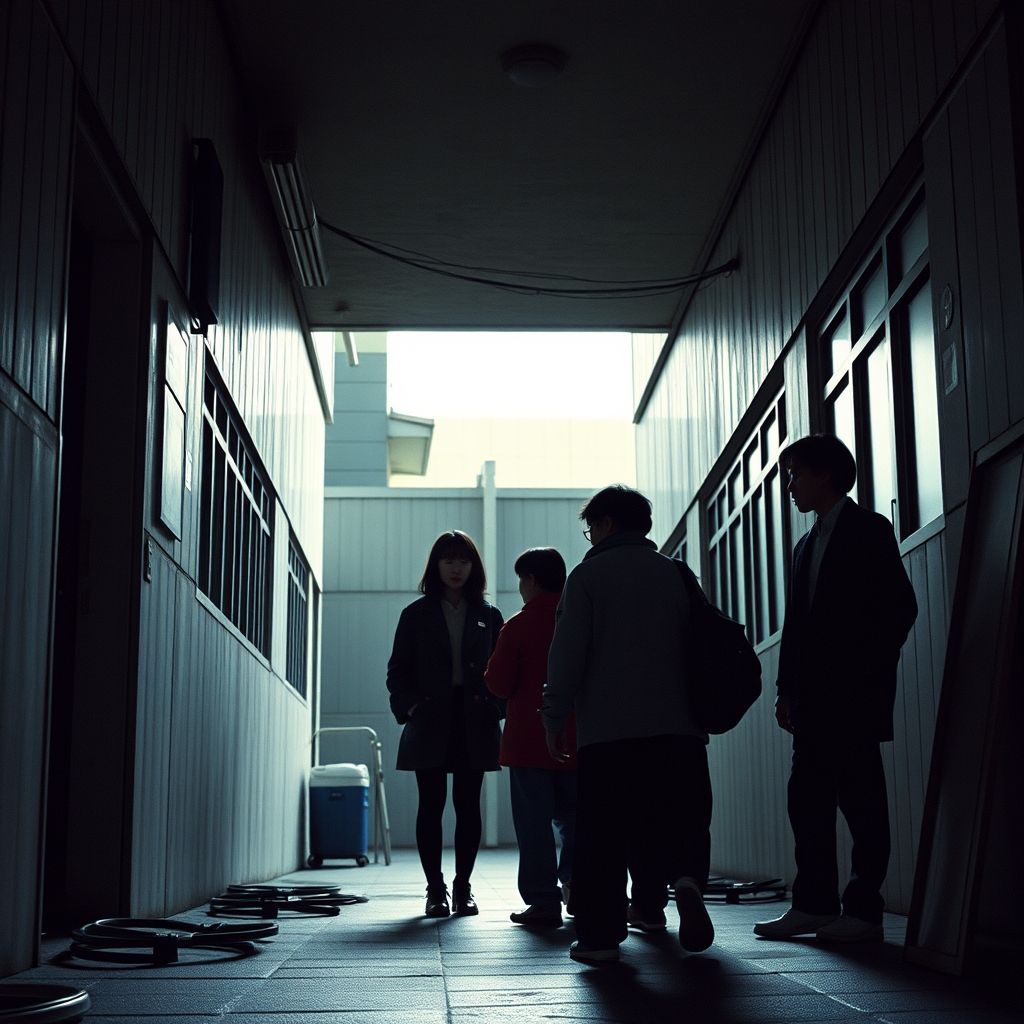
Bayangkan terkurung dalam ruang konkrit, tanpa cahaya, tanpa harapan – itulah nasib mengerikan Jun Furuta, pelajar perempuan berusia 17 tahun yang menjadi mangsa satu jenayah ganas pada penghujung 1980-an.
Jun Furuta, pelajar Sekolah Menengah Tinggi (SMT) di Saitama, Jepun, pada tahun 1988 sedang menamatkan pelajaran menengah. Pada masa itu, Jepun sedang menikmati kemakmuran ekonomi, namun fenomena jenayah remaja masih muncul secara tersembunyi. Menurut laporan media tempatan, empat remaja lelaki berumur antara 16‑18 tahun—Hiroshi Miyano, Jo Ogura, Shinji Minato dan Yasushi Watanabe—menjadi pelaku utama dalam kes ini.
Pada 25 November 1988, Furuta diculik selepas pulang dari kelas. Beliau dibawa ke sebuah rumah kosong di kawasan Shinjuku, Tokyo, dan dipaksa masuk ke dalam sebuah ruang yang kemudian diisi dengan konkrit. Selama 44 hari, dia mengalami penyeksaan fizikal dan seksual yang berterusan. Keseluruhan tragedi berakhir pada 4 Januari 1989 apabila mayatnya ditemui dalam bekas konkrit yang pecah.
- Penangkapan dan Proses Perbicaraan
Polis Jepun mengaitkan kehadiran telefon bimbit yang terjejas dengan panggilan kepada seorang saksi pada 6 Januari 1989, yang akhirnya memimpin kepada penangkapan keempat-empat suspek. Di mahkamah, Miyano, yang berusia 19 tahun pada masa itu, dikenakan hukuman mati yang kemudian ditukar kepada penjara seumur hidup; tiga lagi rakan sekelompoknya dijatuhi hukuman penjara 20‑25 tahun. Laporan mahkamah menegaskan kegagalan sistem perundangan dalam menangani kes-kes jenayah remaja yang bersifat ganas.
- Reaksi Masyarakat dan Warisan Kes
Kes ini menggoncang pendapat awam Jepun. Demonstrasi menuntut reformasi undang‑undang terhadap keganasan remaja berlangsung di beberapa bandar utama. Pakar kriminologi mengaitkan kes ini dengan budaya “yankii” yang meluas pada akhir 1980-an, menekankan keperluan pendidikan nilai moral dalam kalangan remaja. Sejak itu, kementerian dalam negeri melancarkan program pencegahan jenayah remaja yang lebih ketat, termasuk pemantauan aktiviti dalam talian.
- Pengajaran dan Langkah Pencegahan
Kes Jun Furuta menjadi peringatan kuat tentang bahaya keganasan tersembunyi di kalangan remaja. Pakar sosial berpendapat, pendidikan berasaskan empati dan program mentor di sekolah dapat mengurangkan risiko penyalahgunaan kuasa. Di samping itu, penambahbaikan dalam prosedur penyiasatan polis—seperti penggunaan bukti forensik digital—telah menjadi agenda utama sejak akhir 1990-an.
Kes ini, walaupun berusia lebih tiga dekad, masih menjadi rujukan dalam kajian kriminologi dan perbincangan hak asasi manusia di Jepun. Ia menegaskan betapa pentingnya sistem sokongan sosial yang kukuh untuk melindungi golongan muda daripada terjerumus ke dalam lingkaran keganasan.
---
Rujukan: Pembunuhan Junko Furota — Wikipedia
Kes Pembunuhan Junko Furuta: Tragedi Konkrit yang Menggoncang Jepun 1988‑89. Kes pembunuhan pelajar 17‑tahun Junko Furuta pada 1988‑89, yang dikenali sebagai “Concrete‑encased High School Girl Murder”, tetap menjadi simbol keganasan remaja di Jepun.. Bayangkan terkurung dalam ruang konkrit, tanpa cahaya, tanpa harapan – itulah nasib mengerikan Jun Furuta, pelajar perempuan berusia 17 tahun yang menjadi mangsa satu jenayah ganas pada penghujung 1980-an.
1. Latar Belakang Kes
Jun Furuta, pelajar Sekolah Menengah Tinggi SMT di Saitama, Jepun, pada tahun 1988 sedang menamatkan pelajaran menengah. Pada masa itu, Jepun sedang menikmati kemakmuran ekonomi, namun fenomena jenayah remaja masih muncul secara tersembunyi. Menurut laporan media tempatan, empat remaja lelaki berumur antara 16‑18 tahun—Hiroshi Miyano, Jo Ogura, Shinji Minato dan Yasushi Watanabe—menjadi pelaku utama dalam kes ini.
2. Kronologi Kejadian
Pada 25 November 1988, Furuta diculik selepas pulang dari kelas. Beliau dibawa ke sebuah rumah kosong di kawasan Shinjuku, Tokyo, dan dipaksa masuk ke dalam sebuah ruang yang kemudian diisi dengan konkrit. Selama 44 hari, dia mengalami penyeksaan fizikal dan seksual yang berterusan. Keseluruhan tragedi berakhir pada 4 Januari 1989 apabila mayatnya ditemui dalam bekas konkrit yang pecah.
3. Penangkapan dan Proses Perbicaraan
Polis Jepun mengaitkan kehadiran telefon bimbit yang terjejas dengan panggilan kepada seorang saksi pada 6 Januari 1989, yang akhirnya memimpin kepada penangkapan keempat-empat suspek. Di mahkamah, Miyano, yang berusia 19 tahun pada masa itu, dikenakan hukuman mati yang kemudian ditukar kepada penjara seumur hidup; tiga lagi rakan sekelompoknya dijatuhi hukuman penjara 20‑25 tahun. Laporan mahkamah menegaskan kegagalan sistem perundangan dalam menangani kes-kes jenayah remaja yang bersifat ganas.
4. Reaksi Masyarakat dan Warisan Kes
Kes ini menggoncang pendapat awam Jepun. Demonstrasi menuntut reformasi undang‑undang terhadap keganasan remaja berlangsung di beberapa bandar utama. Pakar kriminologi mengaitkan kes ini dengan budaya “yankii” yang meluas pada akhir 1980-an, menekankan keperluan pendidikan nilai moral dalam kalangan remaja. Sejak itu, kementerian dalam negeri melancarkan program pencegahan jenayah remaja yang lebih ketat, termasuk pemantauan aktiviti dalam talian.
5. Pengajaran dan Langkah Pencegahan
Kes Jun Furuta menjadi peringatan kuat tentang bahaya keganasan tersembunyi di kalangan remaja. Pakar sosial berpendapat, pendidikan berasaskan empati dan program mentor di sekolah dapat mengurangkan risiko penyalahgunaan kuasa. Di samping itu, penambahbaikan dalam prosedur penyiasatan polis—seperti penggunaan bukti forensik digital—telah menjadi agenda utama sejak akhir 1990-an.
Kes ini, walaupun berusia lebih tiga dekad, masih menjadi rujukan dalam kajian kriminologi dan perbincangan hak asasi manusia di Jepun. Ia menegaskan betapa pentingnya sistem sokongan sosial yang kukuh untuk melindungi golongan muda daripada terjerumus ke dalam lingkaran keganasan.
---
Rujukan: Pembunuhan Junko Furota — Wikipedia https://ms.wikipedia.org/wiki/Pembunuhan Junko Furota