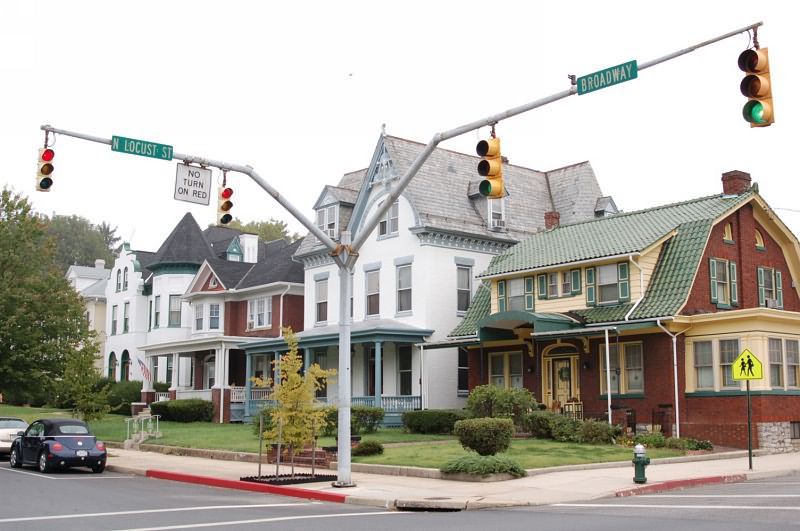
Roads: A Silent Battlefield Claiming Thousands of Lives
Every day, millions of vehicles fill roads worldwide. Yet behind the smooth travel lies a silent threat that continues to claim lives: road accidents. The World Health Organization (WHO) estimates that over 1.3 million people die each year from road accidents, making it the leading cause of death for those aged 5 to 29. Ironically, most of these deaths are actually
preventable.
Road safety is not an abstract concept. It is a collection of methods and measures—from road design to driver education—aimed at protecting every road user: pedestrians, cyclists, car drivers, bus passengers, and many more. This article will delve deeply into the modern approach known as the 'Safe System', which changes how we view accidents—no longer as 'bad luck' or 'individual error', but as a systemic problem that can be solved.
The Basic Principle of 'Safe System': Not Someone's Fault, But a System Failure
For decades, the traditional approach to road safety often pointed fingers at individual errors: speeding, drunk driving, or carelessness. But this approach has its limits. Humans are prone to making mistakes—it is human nature. Yet is it fair for someone to be
sentenced to death for just one small mistake on the road?
This is where the 'Safe System' comes into play. Its philosophy is simple but revolutionary: The road system must be designed to accommodate human error without costing lives. This principle emphasizes that safety responsibility does not lie with a single driver or pedestrian, but with the entire system—policymakers, road engineers, vehicle manufacturers, enforcement agencies, and society.
This approach sets a clear goal: ensuring that the impact energy in any collision remains below the threshold that can cause death or serious injury. This threshold varies depending on the crash scenario and the level of protection available to the road user.
Critical Speed Limits: Why 30 km/h Can Save Pedestrians?
One of the most important findings in road safety research is the relationship between speed and fatality risk. For a pedestrian hit by a vehicle, the chance of survival drops sharply when the vehicle speed exceeds
30 km/h. At this speed, the impact energy received is still within a range tolerable by the human body without protection.
Compare this to drivers and passengers inside vehicles wearing seat belts. Modern cars are designed with crumple zones and airbags that absorb impact. Therefore, the critical threshold for them is higher: about 50 km/h for side impacts and 70 km/h for head-on collisions.
The implications are very clear: Speed limits must be tailored to the type of road and the users that dominate it. In residential areas or school zones with many pedestrians, a 30 km/h speed limit is not an option but a necessity. Unfortunately, in many countries, including Malaysia, speed limits in residential areas are still as high as 60 km/h, which statistically increases the risk of pedestrian fatalities.
Challenges of Rural and Remote Roads: Where Is the Difficulty?
Although the 'Safe System' is recognized as the best strategy, its implementation is still uneven. The biggest challenge is on
rural and remote roads with low traffic. Why? The reason is simple: the cost to upgrade hundreds of kilometers of road is too high. These roads are often narrow, without street lighting, without median barriers, and without safe pedestrian or bicycle paths.
In such areas, fatal accident rates remain high, especially involving head-on collisions and vehicles running off the road. A sustainable approach for this class of road has yet to be fully identified. Among the solutions being explored include:
- Better road markings (reflective paint and clear signage).
- Construction of wider shoulders to provide recovery space if a vehicle skids.
- Installation of wire rope barriers which are cheaper than concrete barriers.
- Community awareness campaigns to foster a culture of courteous driving among local residents.
Game-Changing Technology: From ABS to Autonomy
Besides road design, vehicle technology also plays a major role. Systems like
Anti-lock Braking System (ABS) and
Electronic Stability Control (ESC) have become mandatory in many countries and have proven to reduce accident risk. Now, we are moving into the era of
Advanced Driver Assistance Systems (ADAS)—such as automatic emergency braking, lane departure warning, and adaptive cruise control.
However, technology is not a panacea. Drivers who rely too much on these systems may become complacent. Moreover, autonomous vehicles (self-driving) promise a future without accidents, but are still far from perfect. Ethical and technical challenges—how a car chooses between hitting a pedestrian or crashing into a wall—remain hotly debated.
Reflection: Roads, a Mirror of Civilization
Road safety is not merely a technical issue. It is a mirror of how we value lives. Every stop sign obeyed, every seatbelt clicked, every reduction in speed near schools—all are moral choices. The question we need to reflect on:
Are we willing to design a system that acknowledges humans are fragile and prone to error? Or do we continue to blame victims while letting roads remain a scheduled killing field?
The answer lies in our willingness to act together. From governments enacting stricter laws, to engineers building safer roads, to drivers choosing to obey speed limits—every layer of society has a role. Because in the end, a safe road is not just about reaching a destination, but about ensuring every road user returns home safely.
References
- World Health Organization. (2023). Global status report on road safety 2023.
- Wikipedia. (2024). Road traffic safety.
---
Reference: Road safety — WikipediaRoad Safety: The Safe System Approach and Lives Saved. Road safety is not just about laws, but a system approach that prioritizes lives. This article explains how the 'Safe System' principle works, critical speed limits for various road users, as well as challenges and proactive measures that can be taken. It also invites readers to reflect on their own role in making roads safer.. Roads: A Silent Battlefield Claiming Thousands of Lives
Every day, millions of vehicles fill roads worldwide. Yet behind the smooth travel lies a silent threat that continues to claim lives: road accidents. The World Health Organization WHO estimates that over 1.3 million people die each year from road accidents, making it the leading cause of death for those aged 5 to 29. Ironically, most of these deaths are actually preventable .
Road safety is not an abstract concept. It is a collection of methods and measures—from road design to driver education—aimed at protecting every road user: pedestrians, cyclists, car drivers, bus passengers, and many more. This article will delve deeply into the modern approach known as the 'Safe System', which changes how we view accidents—no longer as 'bad luck' or 'individual error', but as a systemic problem that can be solved.
The Basic Principle of 'Safe System': Not Someone's Fault, But a System Failure
For decades, the traditional approach to road safety often pointed fingers at individual errors: speeding, drunk driving, or carelessness. But this approach has its limits. Humans are prone to making mistakes—it is human nature. Yet is it fair for someone to be sentenced to death for just one small mistake on the road?
This is where the 'Safe System' comes into play. Its philosophy is simple but revolutionary: The road system must be designed to accommodate human error without costing lives. This principle emphasizes that safety responsibility does not lie with a single driver or pedestrian, but with the entire system—policymakers, road engineers, vehicle manufacturers, enforcement agencies, and society.
This approach sets a clear goal: ensuring that the impact energy in any collision remains below the threshold that can cause death or serious injury . This threshold varies depending on the crash scenario and the level of protection available to the road user.
Critical Speed Limits: Why 30 km/h Can Save Pedestrians?
One of the most important findings in road safety research is the relationship between speed and fatality risk. For a pedestrian hit by a vehicle, the chance of survival drops sharply when the vehicle speed exceeds 30 km/h . At this speed, the impact energy received is still within a range tolerable by the human body without protection.
Compare this to drivers and passengers inside vehicles wearing seat belts. Modern cars are designed with crumple zones and airbags that absorb impact. Therefore, the critical threshold for them is higher: about 50 km/h for side impacts and 70 km/h for head-on collisions.
The implications are very clear: Speed limits must be tailored to the type of road and the users that dominate it. In residential areas or school zones with many pedestrians, a 30 km/h speed limit is not an option but a necessity. Unfortunately, in many countries, including Malaysia, speed limits in residential areas are still as high as 60 km/h, which statistically increases the risk of pedestrian fatalities.
Challenges of Rural and Remote Roads: Where Is the Difficulty?
Although the 'Safe System' is recognized as the best strategy, its implementation is still uneven. The biggest challenge is on rural and remote roads with low traffic. Why? The reason is simple: the cost to upgrade hundreds of kilometers of road is too high. These roads are often narrow, without street lighting, without median barriers, and without safe pedestrian or bicycle paths.
In such areas, fatal accident rates remain high, especially involving head-on collisions and vehicles running off the road. A sustainable approach for this class of road has yet to be fully identified. Among the solutions being explored include:
Better road markings reflective paint and clear signage .
Construction of wider shoulders to provide recovery space if a vehicle skids.
Installation of wire rope barriers which are cheaper than concrete barriers.
Community awareness campaigns to foster a culture of courteous driving among local residents.
Game-Changing Technology: From ABS to Autonomy
Besides road design, vehicle technology also plays a major role. Systems like Anti-lock Braking System ABS and Electronic Stability Control ESC have become mandatory in many countries and have proven to reduce accident risk. Now, we are moving into the era of Advanced Driver Assistance Systems ADAS —such as automatic emergency braking, lane departure warning, and adaptive cruise control.
However, technology is not a panacea. Drivers who rely too much on these systems may become complacent. Moreover, autonomous vehicles self-driving promise a future without accidents, but are still far from perfect. Ethical and technical challenges—how a car chooses between hitting a pedestrian or crashing into a wall—remain hotly debated.
Reflection: Roads, a Mirror of Civilization
Road safety is not merely a technical issue. It is a mirror of how we value lives. Every stop sign obeyed, every seatbelt clicked, every reduction in speed near schools—all are moral choices. The question we need to reflect on: Are we willing to design a system that acknowledges humans are fragile and prone to error? Or do we continue to blame victims while letting roads remain a scheduled killing field?
The answer lies in our willingness to act together. From governments enacting stricter laws, to engineers building safer roads, to drivers choosing to obey speed limits—every layer of society has a role. Because in the end, a safe road is not just about reaching a destination, but about ensuring every road user returns home safely.
References
World Health Organization. 2023 . Global status report on road safety 2023 .
Wikipedia. 2024 . Road traffic safety .
---
Reference: Road safety — Wikipedia https://en.wikipedia.org/wiki/Road safety