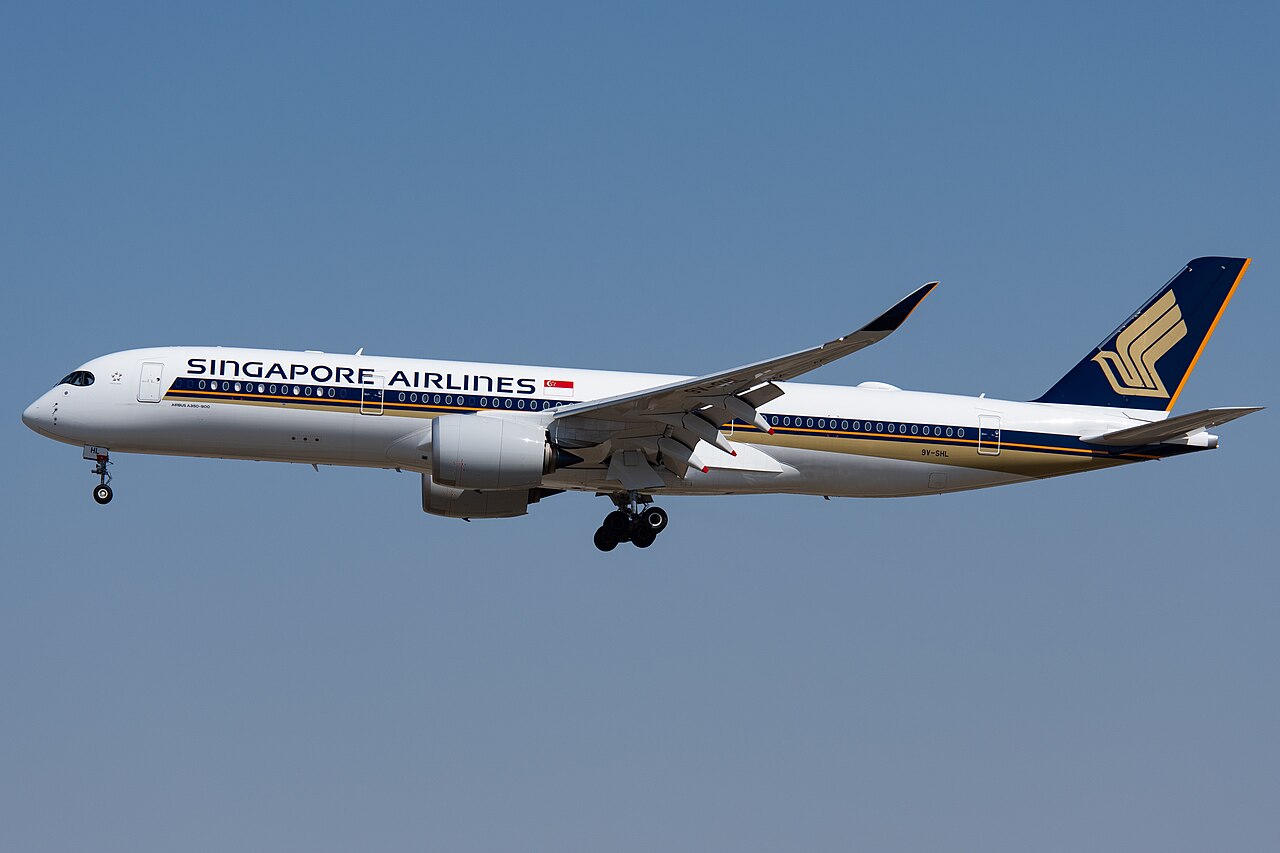
The name of the region's leading airline, Singapore Airlines (SIA), suddenly became a primary focus for search engine users in Malaysia. The heat of this topic was sparked by the latest financial report showing that the airline's half-year net profit experienced a drastic drop of nearly half compared to the same period in the previous year. This declining financial performance has triggered heated discussions among market analysts, investors, and air travelers who are wondering about the direction of the aviation industry in the Southeast Asian region.
Search Peak and Singapore Airlines' Latest Financial Performance
The announcement of the mid-year financial results by the Singaporean aviation giant has attracted widespread attention as the figures recorded significant financial pressure. Based on a news report published by
The Star, this drop in profit stems from a combination of rising operating costs and the recovery of flight capacity, which has begun to impact the company's profit margins.
Although overall demand for air travel remains stable post-pandemic, the company's ability to reap soaring profits like in previous years is now being tested. This issue quickly captured the public's interest in Malaysia due to Singapore Airlines' position as one of the largest and most influential airline operators in the region, in addition to its close ties with route networks to Kuala Lumpur and other major aviation hubs in Malaysia.
Key Factors Behind the Profit Drop: Fuel Costs and Intense Competition
Among the underlying factors identified as the main cause of this profit decline is the surge in jet fuel prices. Fuel is one of the largest expenditure components for an airline, typically accounting for between 30 to 40 percent of overall operating costs. When crude oil and jet fuel prices experience volatility in the global market, the impact can be felt directly in the company's financial statements.
Besides the fuel factor, increasing intense competition from other airlines at the regional and international levels has also affected flight yields. Following the post-pandemic recovery period which saw ticket prices at high levels due to limited capacity, an increasing number of airlines are now adding back their aircraft numbers and routes. This situation has caused seat supply in the market to increase, ultimately forcing airlines to reduce average fares in order to maintain passenger load factors.
Impact on the Regional Aviation Market and Consumers in Malaysia
These developments occurring at Singapore Airlines provide an important indicator for the aviation industry in Malaysia. The close economic and air route relationship between Malaysia and Singapore makes the travel patterns between the two countries extremely dynamic. The air route between Kuala Lumpur (KLIA) and Singapore (Changi) is consistently one of the best-selling and busiest international routes in the world.
Consumers in Malaysia are following this development closely because any financial movement or corporate strategy adjustment taken by a giant airline like SIA can create a domino effect on the local aviation industry, including companies like Malaysia Airlines and AirAsia. If airlines are forced to bear high fuel costs in the long term, there is a possibility that price pressures will be passed on to consumers through base fare adjustments or fuel surcharges. Conversely, the increase in flight supply capacity in the region can also benefit consumers in terms of a wider variety of ticket pricing options.
Global Aviation Industry Challenges and Future Prospects
The profit decline experienced by SIA is not an isolated phenomenon, but rather a reflection of macroeconomic challenges currently faced by the global aviation sector as a whole. Global supply chain disruptions that delay the delivery of new aircraft, increased maintenance and spare parts costs, and inflationary pressures on workforce wages have added to the financial burden of airline operators.
Additionally, flight path changes due to geopolitical tensions in certain regions of the world have also increased flight distances and fuel consumption. For an airline operating on a full-service carrier model like Singapore Airlines, maintaining premium service standards while tightly controlling operating costs is an extremely complex challenge.
In conclusion, the surge in searches regarding Singapore Airlines in Malaysia reflects the sensitivity of the public and industry players to regional aviation financial dynamics. The aviation recovery phase is now moving into a normalization stage, where airline profit margins are strictly influenced by cost management efficiency and increasingly fierce market competition.
Singapore Airlines Profits Fall: Why This Airline's Performance is Under Scrutiny. Singapore Airlines (SIA) became a hot search topic in Malaysia following the announcement that the airline's half-year net profit dropped by nearly half compared to the previous period. This financial decline was primarily driven by rising aviation fuel costs and intense competition that impacted average revenue per passenger. This development has garnered widespread attention due to its implications for airfares and regional aviation market dynamics.. The name of the region's leading airline, Singapore Airlines SIA , suddenly became a primary focus for search engine users in Malaysia. The heat of this topic was sparked by the latest financial report showing that the airline's half-year net profit experienced a drastic drop of nearly half compared to the same period in the previous year. This declining financial performance has triggered heated discussions among market analysts, investors, and air travelers who are wondering about the direction of the aviation industry in the Southeast Asian region.
Search Peak and Singapore Airlines' Latest Financial Performance
The announcement of the mid-year financial results by the Singaporean aviation giant has attracted widespread attention as the figures recorded significant financial pressure. Based on a news report published by The Star , this drop in profit stems from a combination of rising operating costs and the recovery of flight capacity, which has begun to impact the company's profit margins.
Although overall demand for air travel remains stable post-pandemic, the company's ability to reap soaring profits like in previous years is now being tested. This issue quickly captured the public's interest in Malaysia due to Singapore Airlines' position as one of the largest and most influential airline operators in the region, in addition to its close ties with route networks to Kuala Lumpur and other major aviation hubs in Malaysia.
Key Factors Behind the Profit Drop: Fuel Costs and Intense Competition
Among the underlying factors identified as the main cause of this profit decline is the surge in jet fuel prices. Fuel is one of the largest expenditure components for an airline, typically accounting for between 30 to 40 percent of overall operating costs. When crude oil and jet fuel prices experience volatility in the global market, the impact can be felt directly in the company's financial statements.
Besides the fuel factor, increasing intense competition from other airlines at the regional and international levels has also affected flight yields. Following the post-pandemic recovery period which saw ticket prices at high levels due to limited capacity, an increasing number of airlines are now adding back their aircraft numbers and routes. This situation has caused seat supply in the market to increase, ultimately forcing airlines to reduce average fares in order to maintain passenger load factors.
Impact on the Regional Aviation Market and Consumers in Malaysia
These developments occurring at Singapore Airlines provide an important indicator for the aviation industry in Malaysia. The close economic and air route relationship between Malaysia and Singapore makes the travel patterns between the two countries extremely dynamic. The air route between Kuala Lumpur KLIA and Singapore Changi is consistently one of the best-selling and busiest international routes in the world.
Consumers in Malaysia are following this development closely because any financial movement or corporate strategy adjustment taken by a giant airline like SIA can create a domino effect on the local aviation industry, including companies like Malaysia Airlines and AirAsia. If airlines are forced to bear high fuel costs in the long term, there is a possibility that price pressures will be passed on to consumers through base fare adjustments or fuel surcharges. Conversely, the increase in flight supply capacity in the region can also benefit consumers in terms of a wider variety of ticket pricing options.
Global Aviation Industry Challenges and Future Prospects
The profit decline experienced by SIA is not an isolated phenomenon, but rather a reflection of macroeconomic challenges currently faced by the global aviation sector as a whole. Global supply chain disruptions that delay the delivery of new aircraft, increased maintenance and spare parts costs, and inflationary pressures on workforce wages have added to the financial burden of airline operators.
Additionally, flight path changes due to geopolitical tensions in certain regions of the world have also increased flight distances and fuel consumption. For an airline operating on a full-service carrier model like Singapore Airlines, maintaining premium service standards while tightly controlling operating costs is an extremely complex challenge.
In conclusion, the surge in searches regarding Singapore Airlines in Malaysia reflects the sensitivity of the public and industry players to regional aviation financial dynamics. The aviation recovery phase is now moving into a normalization stage, where airline profit margins are strictly influenced by cost management efficiency and increasingly fierce market competition.