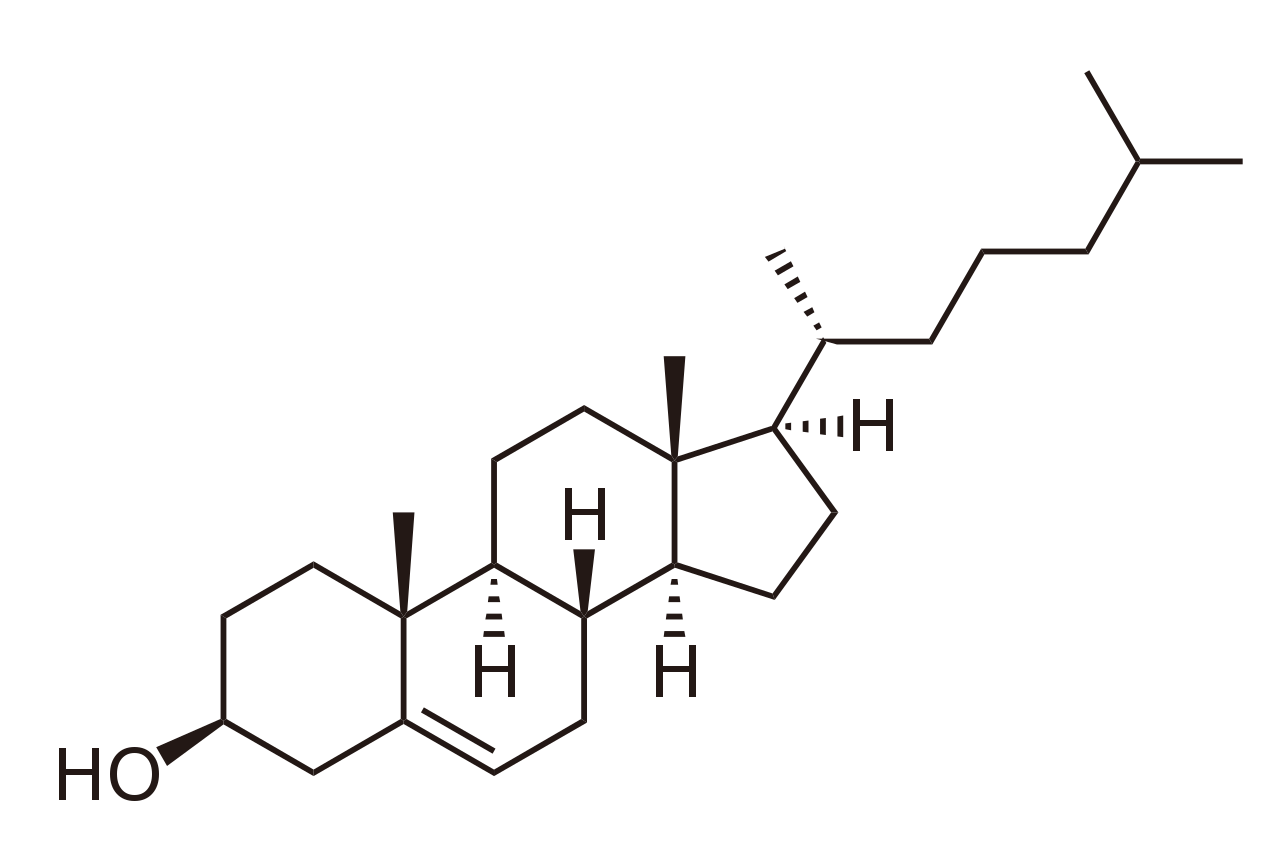
Cholesterol: Not All Fats Are Enemies
When hearing the word 'cholesterol,' many immediately associate it with heart disease, heart attacks, or a strict no-fat diet. However, did you know that cholesterol is actually the main sterol produced by every animal cell, including human cells? Without cholesterol, we would not be able to build stable cell membranes, produce steroid hormones, or synthesize vitamin D. In fact, our brain—the most complex organ in the body—contains about 25 percent of the total cholesterol in the body, especially within myelin that protects nerves.
The question is: If cholesterol is so important, why is it often seen as the 'villain'? The answer lies in balance and the type of cholesterol present in the blood.
History of Discovery: From Gallstones to the Name 'Cholesterine'
Cholesterol was first identified in solid form by François Poulletier de la Salle in 1769, when he found a white-yellowish substance in human gallstones. At the time, no one could have imagined that this substance would become one of the most studied molecules in modern medicine. In 1815, French chemist Michel Eugène Chevreul named it 'cholesterine'—a combination of the Greek words 'chole' (bile) and 'stereos' (solid). The name was later changed to 'cholesterol' by German scientists in the 20th century.
This discovery opened the door to understanding that cholesterol is not only found in gallstones but also in every tissue of the body, including the brain, spinal cord, and animal fat. However, the real mystery was how cholesterol could move through the blood without dissolving in water.
How Cholesterol Functions in the Body?
To understand cholesterol, we need to see it as a smart 'transporter.' Since cholesterol is a fat (lipid) and blood is water-based, it cannot float freely. Instead, cholesterol is wrapped in special particles called lipoproteins. The two main types of lipoproteins often mentioned are:
- LDL (Low-Density Lipoprotein): Often called 'bad cholesterol.' It carries cholesterol from the liver to body cells. If there is too much LDL, it can accumulate on artery walls and form plaques, increasing the risk of cardiovascular disease.
- HDL (High-Density Lipoprotein): Known as 'good cholesterol.' It acts like a cleaner, collecting excess cholesterol from arteries and taking it back to the liver for recycling or elimination.
The balance between LDL and HDL is key. It's not the total amount of cholesterol that matters, but the ratio and presence of the types.
Role of Cholesterol in the Brain and Nerves
One of the most fascinating facts about cholesterol is its role in the nervous system. In the brain, astrocytes (a type of glial cell) are responsible for producing cholesterol and delivering it to neurons. This cholesterol is essential for forming synapses—connections between neurons that allow electrical signals to be transmitted. Without sufficient cholesterol, communication between brain cells will be disrupted, which can affect memory, learning, and cognitive function.
Interestingly, cholesterol in the brain is not directly influenced by diet because it is produced locally. This explains why our brains can function even if someone follows a low-cholesterol diet.
Cholesterol and the Reproductive System: Steroid Hormones
Cholesterol is also the precursor to all steroid hormones in the body, including estrogen, progesterone, testosterone, and cortisol. Without cholesterol, the body cannot produce these hormones, which regulate everything from the menstrual cycle to stress responses. This means cholesterol is a crucial raw material for reproductive health and metabolism.
For example, testosterone—the main male hormone—is synthesized from cholesterol in the testes. Similarly, the adrenal glands use cholesterol to produce cortisol, the hormone that helps us deal with stress. Therefore, when someone tries to completely eliminate cholesterol from their diet, they may actually disrupt hormonal balance.
Myths and Realities: Are High-Cholesterol Foods Really Bad?
For decades, we were taught that eggs, shrimp, and red meat are enemies because of their cholesterol content. However, recent research shows that dietary cholesterol (from food) only has a small effect on blood cholesterol levels for most people. Our liver produces about 80 percent of the cholesterol in the body; the rest comes from diet. For healthy individuals, when they eat more cholesterol, the liver automatically reduces its production.
The real problem is not cholesterol itself, but trans fats, excessive saturated fats, and refined sugars that trigger inflammation and increase LDL production. Therefore, a smarter approach is to focus on a balanced diet rich in fiber, fruits, vegetables, and unsaturated fats.
Lifestyle Implications: How to Manage Cholesterol Wisely?
If you are concerned about cholesterol, the first step is to undergo a blood test to determine your complete lipid profile (LDL, HDL, triglycerides). Don't just rely on the total cholesterol number. Next, adopt a lifestyle that supports balance:
- Physical activity: Aerobic exercises such as brisk walking, cycling, or swimming can increase HDL.
- Diet: Consume healthy fats from avocados, nuts, and olive oil. Reduce processed foods and added sugars.
- Quit smoking: Smoking lowers HDL and damages artery walls.
- Manage stress: Chronic stress can increase cortisol, which in turn affects cholesterol metabolism.
Remember, cholesterol is not the enemy; it is a companion that needs to be managed. With the right understanding, we can live healthily without fearing a piece of egg or a slice of cheese.
Final Reflection: Are We Too Afraid of Cholesterol?
In a world obsessed with 'good' and 'bad,' cholesterol often becomes a victim of misunderstanding. It is a complex molecule with multiple roles in health and disease. Instead of panicking over high cholesterol readings, it is better to educate ourselves about what is actually happening in our bodies. A question to ponder: Have we evaluated our diet and lifestyle holistically, or are we just blaming one number on paper?
---
Reference: Cholesterol — Wikipedia
Cholesterol: Between a Silent Enemy and a Misunderstood Life Necessity. Cholesterol is often considered the cause of heart disease, but it is actually a vital sterol fat for every cell in the body. This article explores the scientific facts about cholesterol, from its history of discovery to its role in the brain and hormones, and explains the difference between good and bad cholesterol. With an easy-to-understand academic approach, readers will gain a new perspective on how to manage cholesterol without panic.. Cholesterol: Not All Fats Are Enemies
When hearing the word 'cholesterol,' many immediately associate it with heart disease, heart attacks, or a strict no-fat diet. However, did you know that cholesterol is actually the main sterol produced by every animal cell, including human cells? Without cholesterol, we would not be able to build stable cell membranes, produce steroid hormones, or synthesize vitamin D. In fact, our brain—the most complex organ in the body—contains about 25 percent of the total cholesterol in the body, especially within myelin that protects nerves.
The question is: If cholesterol is so important, why is it often seen as the 'villain'? The answer lies in balance and the type of cholesterol present in the blood.
History of Discovery: From Gallstones to the Name 'Cholesterine'
Cholesterol was first identified in solid form by François Poulletier de la Salle in 1769, when he found a white-yellowish substance in human gallstones. At the time, no one could have imagined that this substance would become one of the most studied molecules in modern medicine. In 1815, French chemist Michel Eugène Chevreul named it 'cholesterine'—a combination of the Greek words 'chole' bile and 'stereos' solid . The name was later changed to 'cholesterol' by German scientists in the 20th century.
This discovery opened the door to understanding that cholesterol is not only found in gallstones but also in every tissue of the body, including the brain, spinal cord, and animal fat. However, the real mystery was how cholesterol could move through the blood without dissolving in water.
How Cholesterol Functions in the Body?
To understand cholesterol, we need to see it as a smart 'transporter.' Since cholesterol is a fat lipid and blood is water-based, it cannot float freely. Instead, cholesterol is wrapped in special particles called lipoproteins. The two main types of lipoproteins often mentioned are:
- LDL Low-Density Lipoprotein : Often called 'bad cholesterol.' It carries cholesterol from the liver to body cells. If there is too much LDL, it can accumulate on artery walls and form plaques, increasing the risk of cardiovascular disease.
- HDL High-Density Lipoprotein : Known as 'good cholesterol.' It acts like a cleaner, collecting excess cholesterol from arteries and taking it back to the liver for recycling or elimination.
The balance between LDL and HDL is key. It's not the total amount of cholesterol that matters, but the ratio and presence of the types.
Role of Cholesterol in the Brain and Nerves
One of the most fascinating facts about cholesterol is its role in the nervous system. In the brain, astrocytes a type of glial cell are responsible for producing cholesterol and delivering it to neurons. This cholesterol is essential for forming synapses—connections between neurons that allow electrical signals to be transmitted. Without sufficient cholesterol, communication between brain cells will be disrupted, which can affect memory, learning, and cognitive function.
Interestingly, cholesterol in the brain is not directly influenced by diet because it is produced locally. This explains why our brains can function even if someone follows a low-cholesterol diet.
Cholesterol and the Reproductive System: Steroid Hormones
Cholesterol is also the precursor to all steroid hormones in the body, including estrogen, progesterone, testosterone, and cortisol. Without cholesterol, the body cannot produce these hormones, which regulate everything from the menstrual cycle to stress responses. This means cholesterol is a crucial raw material for reproductive health and metabolism.
For example, testosterone—the main male hormone—is synthesized from cholesterol in the testes. Similarly, the adrenal glands use cholesterol to produce cortisol, the hormone that helps us deal with stress. Therefore, when someone tries to completely eliminate cholesterol from their diet, they may actually disrupt hormonal balance.
Myths and Realities: Are High-Cholesterol Foods Really Bad?
For decades, we were taught that eggs, shrimp, and red meat are enemies because of their cholesterol content. However, recent research shows that dietary cholesterol from food only has a small effect on blood cholesterol levels for most people. Our liver produces about 80 percent of the cholesterol in the body; the rest comes from diet. For healthy individuals, when they eat more cholesterol, the liver automatically reduces its production.
The real problem is not cholesterol itself, but trans fats, excessive saturated fats, and refined sugars that trigger inflammation and increase LDL production. Therefore, a smarter approach is to focus on a balanced diet rich in fiber, fruits, vegetables, and unsaturated fats.
Lifestyle Implications: How to Manage Cholesterol Wisely?
If you are concerned about cholesterol, the first step is to undergo a blood test to determine your complete lipid profile LDL, HDL, triglycerides . Don't just rely on the total cholesterol number. Next, adopt a lifestyle that supports balance:
- Physical activity : Aerobic exercises such as brisk walking, cycling, or swimming can increase HDL.
- Diet : Consume healthy fats from avocados, nuts, and olive oil. Reduce processed foods and added sugars.
- Quit smoking : Smoking lowers HDL and damages artery walls.
- Manage stress : Chronic stress can increase cortisol, which in turn affects cholesterol metabolism.
Remember, cholesterol is not the enemy; it is a companion that needs to be managed. With the right understanding, we can live healthily without fearing a piece of egg or a slice of cheese.
Final Reflection: Are We Too Afraid of Cholesterol?
In a world obsessed with 'good' and 'bad,' cholesterol often becomes a victim of misunderstanding. It is a complex molecule with multiple roles in health and disease. Instead of panicking over high cholesterol readings, it is better to educate ourselves about what is actually happening in our bodies. A question to ponder: Have we evaluated our diet and lifestyle holistically, or are we just blaming one number on paper?
---
Reference: Cholesterol — Wikipedia https://en.wikipedia.org/wiki/Cholesterol