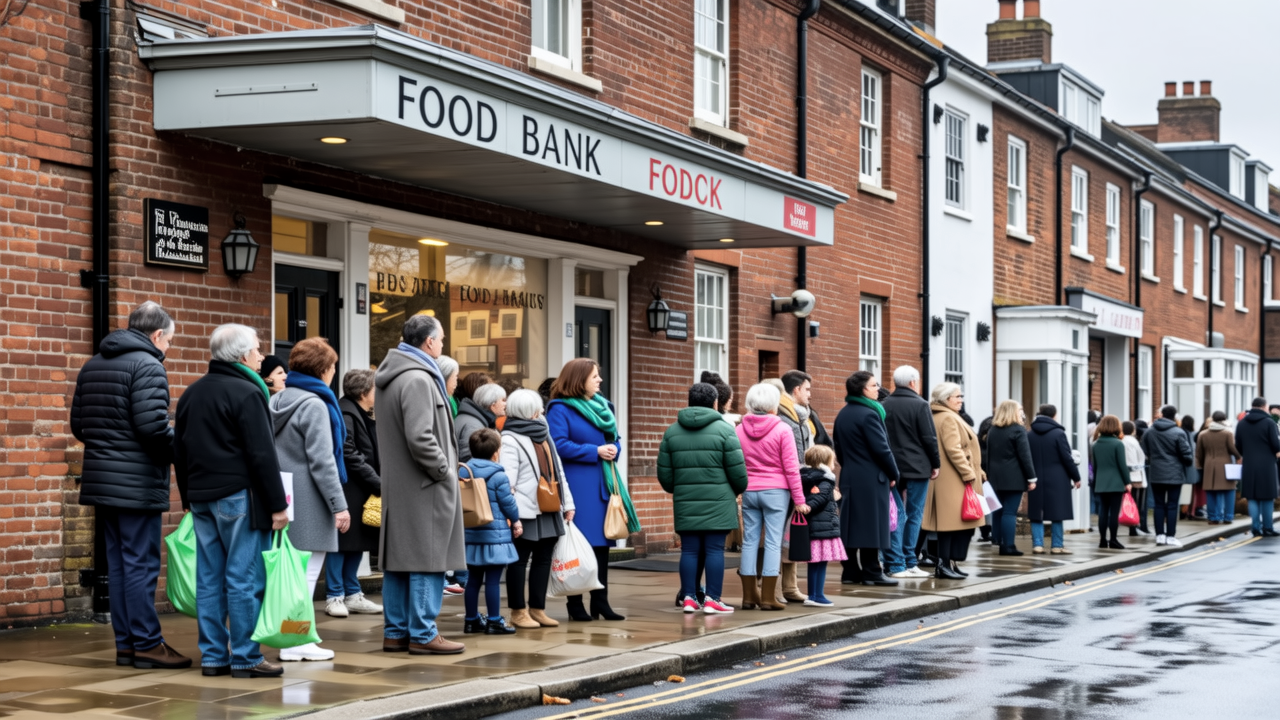
London, 24 June — In a row of shops in a small town in Yorkshire, several stores are empty with 'To Let' signs in their windows. At the Food Bank, which opens every Wednesday morning, the line of people waiting for assistance is getting longer — and the faces are no longer just those traditionally associated with poverty. Teachers, nurses, and office workers now have to ask for food aid to get through the month.
The cost of living crisis affecting the UK in recent years, although it has eased from its peak, still leaves a deep impact on millions of British households. Simultaneous increases in food prices, energy bills, rent, and loan interest rates have created financial pressures never experienced by many generations who grew up in the post-World War II era of economic stability.
The UK government has launched various programs to ease this burden. Bill subsidies worth billions of pounds have helped households through expensive winters, while increased welfare benefits and eligibility for childcare support have helped the most vulnerable groups. The national minimum wage has been continuously raised and is now at a record level.
However, critics argue that these measures, although helpful, do not address the structural causes of the problem. The chronic housing shortage in the UK — due to several decades of house building far below demand — keeps rental and house prices at levels unaffordable for many young people.
Debates about the best way to handle the UK housing crisis are becoming increasingly intense. The government has promised to allow more house building, including in "green" areas that were previously protected, a move that has faced fierce opposition from suburban communities that do not want their areas developed.
UK Cost of Living Crisis: How the Government and People Are Dealing with Inflation's Bite. The UK continues to struggle with the effects of high living costs that are hitting the middle and lower classes, with the government launching various support programs to ease the burden.. London, 24 June — In a row of shops in a small town in Yorkshire, several stores are empty with 'To Let' signs in their windows. At the Food Bank, which opens every Wednesday morning, the line of people waiting for assistance is getting longer — and the faces are no longer just those traditionally associated with poverty. Teachers, nurses, and office workers now have to ask for food aid to get through the month.
The cost of living crisis affecting the UK in recent years, although it has eased from its peak, still leaves a deep impact on millions of British households. Simultaneous increases in food prices, energy bills, rent, and loan interest rates have created financial pressures never experienced by many generations who grew up in the post-World War II era of economic stability.
The UK government has launched various programs to ease this burden. Bill subsidies worth billions of pounds have helped households through expensive winters, while increased welfare benefits and eligibility for childcare support have helped the most vulnerable groups. The national minimum wage has been continuously raised and is now at a record level.
However, critics argue that these measures, although helpful, do not address the structural causes of the problem. The chronic housing shortage in the UK — due to several decades of house building far below demand — keeps rental and house prices at levels unaffordable for many young people.
Debates about the best way to handle the UK housing crisis are becoming increasingly intense. The government has promised to allow more house building, including in "green" areas that were previously protected, a move that has faced fierce opposition from suburban communities that do not want their areas developed.