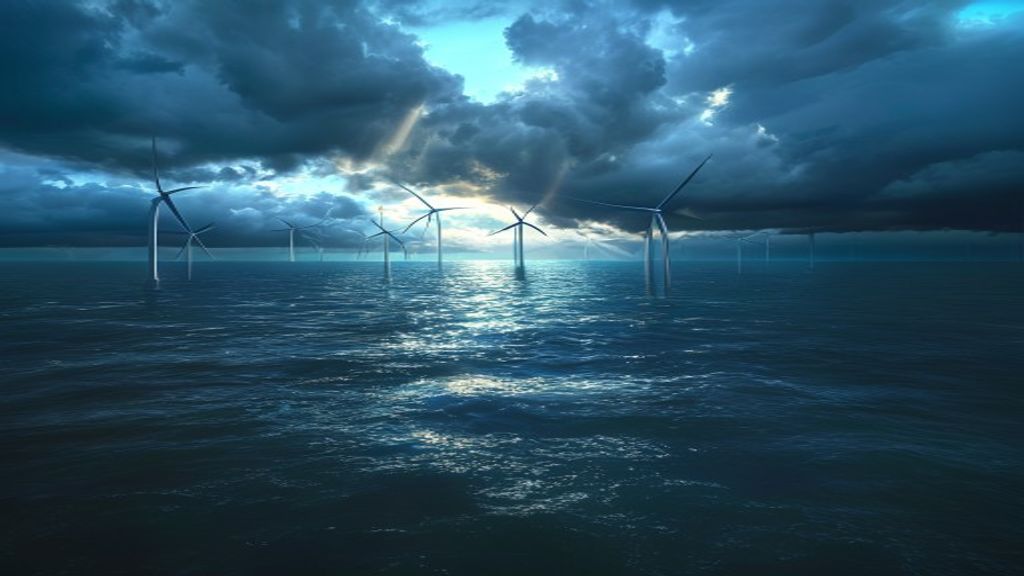
AKITA — The Japanese government has launched one of the most ambitious energy infrastructure projects in its modern history with the construction of a mega offshore wind farm along the coastal waters of the Akita region. This large-scale project is a critical component of the nation's master strategic plan to achieve a net-zero carbon emissions status by 2050, thereby significantly reducing the country's reliance on increasingly volatile global fossil fuel imports.
This billion-yen construction initiative involves installing dozens of high-tech giant wind turbines, each as tall as skyscrapers, spanning deep-sea waters. Unlike traditional wind farms built on land or in shallow waters, these turbines use innovative floating technology. This advanced technology allows the massive structures to be anchored in deeper and farther offshore areas, where the winds are more consistent and stronger, thus generating electricity at maximum capacity throughout the year.
The Japanese Minister of the Environment stated that transitioning to renewable energy is no longer just an option but a national security necessity. Since the Fukushima nuclear disaster in 2011, which led to the closure of most nuclear reactors across the country, Japan has had to rely heavily on coal and liquefied natural gas (LNG). However, with the escalating global energy supply chain crisis and increasing environmental awareness, this offshore wind energy initiative is seen as the most viable and strategic solution for meeting domestic needs.
Although this project promises an outstanding green solution, its implementation is not an easy process. Developers have had to conduct lengthy and complex negotiations with local fishing unions, which have raised deep concerns about the long-term impact of the giant turbines on marine ecosystems and their livelihoods. To address these objections, a compromise and compensation scheme has been designed, including commitments to invest in maritime community development projects and independent scientific studies to ensure that marine life is not threatened by the noise and vibrations from the turbines.
Once fully completed, this mega wind farm is estimated to provide clean, affordable, and continuous electricity to more than five million households in northeastern Japan. More importantly, it sets an extraordinary benchmark for other island nations in leveraging the potential of their surrounding natural resources. The success of this project will prove that environmental protection commitments can coexist with the nation's economic growth and holistic energy security needs.
Mega Energy Structure Project: Japan's Largest Offshore Wind Farm Drives Zero Carbon Goal. In a bold effort to shift away from fossil fuels, Japan is building a mega offshore wind farm that is expected to supply clean energy to millions of homes across the country.. AKITA — The Japanese government has launched one of the most ambitious energy infrastructure projects in its modern history with the construction of a mega offshore wind farm along the coastal waters of the Akita region. This large-scale project is a critical component of the nation's master strategic plan to achieve a net-zero carbon emissions status by 2050, thereby significantly reducing the country's reliance on increasingly volatile global fossil fuel imports.
This billion-yen construction initiative involves installing dozens of high-tech giant wind turbines, each as tall as skyscrapers, spanning deep-sea waters. Unlike traditional wind farms built on land or in shallow waters, these turbines use innovative floating technology. This advanced technology allows the massive structures to be anchored in deeper and farther offshore areas, where the winds are more consistent and stronger, thus generating electricity at maximum capacity throughout the year.
The Japanese Minister of the Environment stated that transitioning to renewable energy is no longer just an option but a national security necessity. Since the Fukushima nuclear disaster in 2011, which led to the closure of most nuclear reactors across the country, Japan has had to rely heavily on coal and liquefied natural gas LNG . However, with the escalating global energy supply chain crisis and increasing environmental awareness, this offshore wind energy initiative is seen as the most viable and strategic solution for meeting domestic needs.
Although this project promises an outstanding green solution, its implementation is not an easy process. Developers have had to conduct lengthy and complex negotiations with local fishing unions, which have raised deep concerns about the long-term impact of the giant turbines on marine ecosystems and their livelihoods. To address these objections, a compromise and compensation scheme has been designed, including commitments to invest in maritime community development projects and independent scientific studies to ensure that marine life is not threatened by the noise and vibrations from the turbines.
Once fully completed, this mega wind farm is estimated to provide clean, affordable, and continuous electricity to more than five million households in northeastern Japan. More importantly, it sets an extraordinary benchmark for other island nations in leveraging the potential of their surrounding natural resources. The success of this project will prove that environmental protection commitments can coexist with the nation's economic growth and holistic energy security needs.