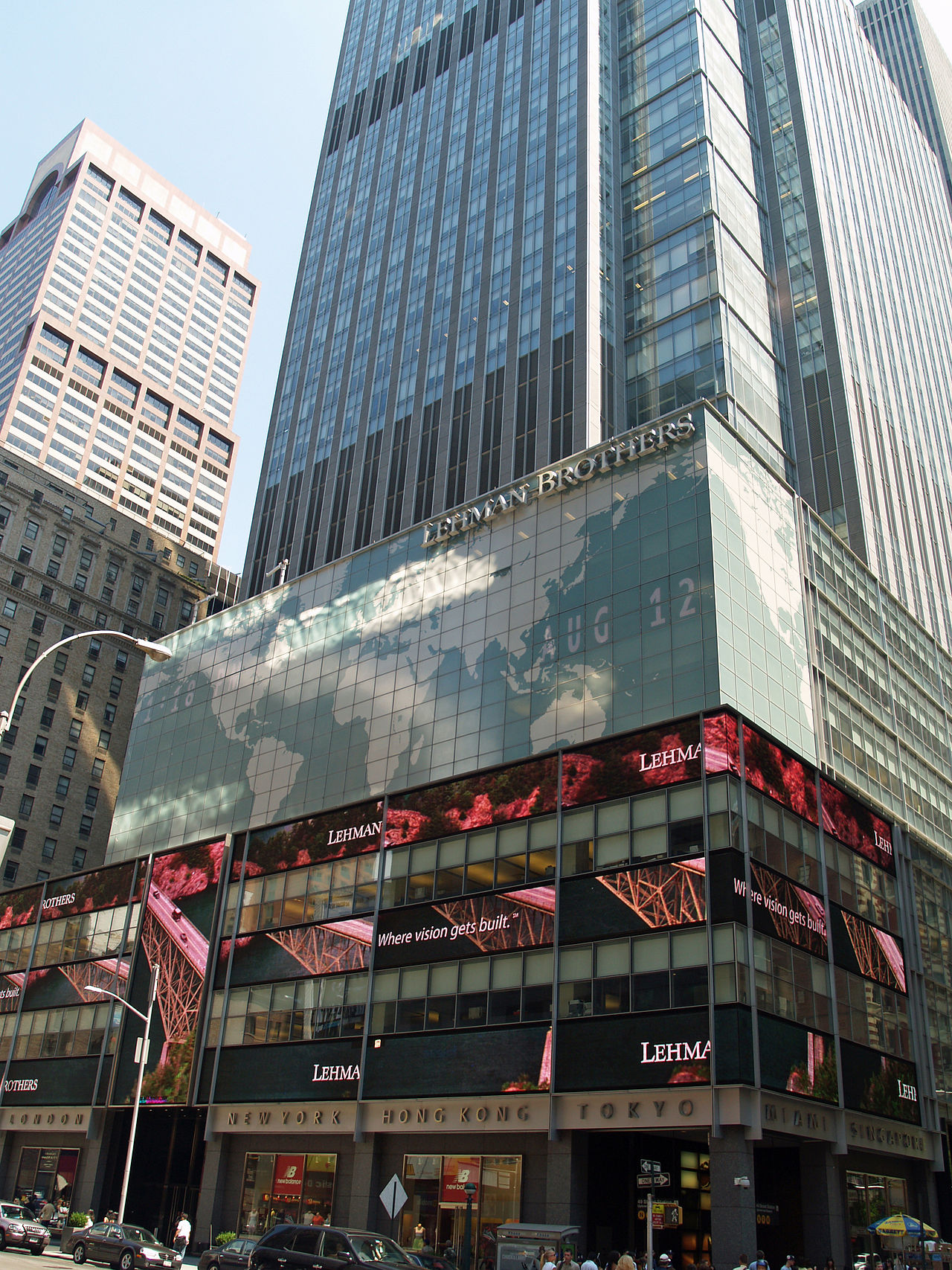
One Name, A Thousand Disasters
Imagine this: one bank, with 25,000 employees and a 158-year history, went bankrupt in an instant. Not just any bankruptcy, but one that brought down the global economy. That was Lehman Brothers—a institution once called "the fourth-largest investment bank in the United States." On September 15, 2008, they filed for Chapter 11 bankruptcy protection, and the world screamed. The irony? They knew what they were doing. They played with subprime fire, and finally, their own house burned down.
From Peak to Destruction: Who Is to Blame?
Like most other investment banks, Lehman Brothers got too comfortable with derivatives and subprime loans. They bought and sold bad debt, treating it as gold. When the American housing market collapsed in 2007, the value of their assets plummeted. But don't get it wrong—this is not a story of victims. It's a story of greed. Lehman executives, like Richard Fuld, were paid millions every year. They knew the risks, but chose to ignore them. And when the bank fell, they still walked away with pockets full of money.
Surprising fact: Lehman Brothers was the largest bank to ever go bankrupt in U.S. history, surpassing WorldCom. But what's even crazier? The U.S. government let it fail. They saved Bear Stearns, but let Lehman die. This decision—whether intentional or not—triggered global panic. Stock markets fell, credit froze, and millions lost their jobs.
Taxpayers Bear the Cost
This is the part that makes blood boil. Even though Lehman went bankrupt, the impact didn't stop there. Other banks overly exposed to Lehman, such as AIG, had to be rescued with taxpayer money. In the United States, the government launched the $700 billion Troubled Asset Relief Program (TARP). In Europe, countries like Ireland and Iceland nearly went bankrupt. Ordinary people who never knew what derivatives were suddenly lost their homes, savings, and jobs. The irony is that the executives who caused the crisis were not punished. They received bonuses, and some even continued working at other banks.
The Fall of Lehman: A Lesson Not Learned
After 2008, the world cried out "reform!" But what happened? Large banks continued to grow. The Dodd-Frank Act in the U.S. introduced new regulations, but it did not dismantle the power of Wall Street. In fact, in 2018, the U.S. Congress relaxed some of these regulations. And now, with the COVID-19 crisis and inflation, we see the same pattern again: banks face risks, and governments print money to save them.
Conclusion: Who Learned the Lesson?
Lehman Brothers is not just a name in a history book. It is a symbol of systemic failure. Failure of regulation, failure of ethics, and failure of us all as a society that was too trusting in the idea of "too big to fail." One bank can bring down the global economy, but no one is held accountable. And we, as ordinary citizens, continue to pay the bill.
---
Reference: Lehman Brothers — Wikipedia
Lehman Brothers: A Bank Fails, the World Is Shaken. The collapse of Lehman Brothers in 2008 was not just a regular bankruptcy—it shook the global economy, exposed weaknesses in the financial system, and made ordinary people pay the price. This article reveals the irony and absurdity behind a tragedy that could have been prevented.. One Name, A Thousand Disasters
Imagine this: one bank, with 25,000 employees and a 158-year history, went bankrupt in an instant. Not just any bankruptcy, but one that brought down the global economy. That was Lehman Brothers—a institution once called "the fourth-largest investment bank in the United States." On September 15, 2008, they filed for Chapter 11 bankruptcy protection, and the world screamed. The irony? They knew what they were doing. They played with subprime fire, and finally, their own house burned down.
From Peak to Destruction: Who Is to Blame?
Like most other investment banks, Lehman Brothers got too comfortable with derivatives and subprime loans. They bought and sold bad debt, treating it as gold. When the American housing market collapsed in 2007, the value of their assets plummeted. But don't get it wrong—this is not a story of victims. It's a story of greed. Lehman executives, like Richard Fuld, were paid millions every year. They knew the risks, but chose to ignore them. And when the bank fell, they still walked away with pockets full of money.
Surprising fact: Lehman Brothers was the largest bank to ever go bankrupt in U.S. history, surpassing WorldCom. But what's even crazier? The U.S. government let it fail. They saved Bear Stearns, but let Lehman die. This decision—whether intentional or not—triggered global panic. Stock markets fell, credit froze, and millions lost their jobs.
Taxpayers Bear the Cost
This is the part that makes blood boil. Even though Lehman went bankrupt, the impact didn't stop there. Other banks overly exposed to Lehman, such as AIG, had to be rescued with taxpayer money. In the United States, the government launched the $700 billion Troubled Asset Relief Program TARP . In Europe, countries like Ireland and Iceland nearly went bankrupt. Ordinary people who never knew what derivatives were suddenly lost their homes, savings, and jobs. The irony is that the executives who caused the crisis were not punished. They received bonuses, and some even continued working at other banks.
The Fall of Lehman: A Lesson Not Learned
After 2008, the world cried out "reform!" But what happened? Large banks continued to grow. The Dodd-Frank Act in the U.S. introduced new regulations, but it did not dismantle the power of Wall Street. In fact, in 2018, the U.S. Congress relaxed some of these regulations. And now, with the COVID-19 crisis and inflation, we see the same pattern again: banks face risks, and governments print money to save them.
Conclusion: Who Learned the Lesson?
Lehman Brothers is not just a name in a history book. It is a symbol of systemic failure. Failure of regulation, failure of ethics, and failure of us all as a society that was too trusting in the idea of "too big to fail." One bank can bring down the global economy, but no one is held accountable. And we, as ordinary citizens, continue to pay the bill.
---
Reference: Lehman Brothers — Wikipedia https://en.wikipedia.org/wiki/Lehman Brothers