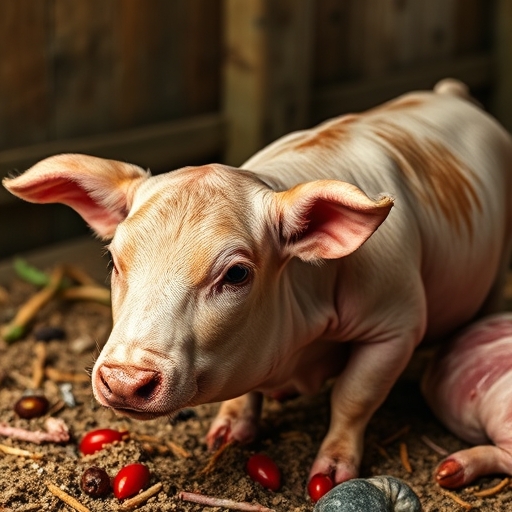
Introduction: A Prohibition Established 1,400 Years Ago
Islam clearly prohibits the consumption of pork in several verses of the Quran, including Surah Al-Baqarah verse 173, Surah Al-Ma'idah verse 3, Surah Al-An'am verse 145, and Surah An-Nahl verse 115. Allah's statement:
إِنَّمَا حَرَّمَ عَلَيْكُمُ الْمَيْتَةَ وَالدَّمَ وَلَحْمَ الْخِنزِيرِ وَمَا أُهِلَّ بِهِ لِغَيْرِ اللَّهِ ۖ فَمَنِ اضْطُرَّ غَيْرَ بَاغٍ وَلَا عَادٍ فَلَا إِثْمَ عَلَيْهِ ۚ إِنَّ اللَّهَ غَفُورٌ رَّحِيمٌ
Translation: "Allah has only forbidden to you the dead animal, and blood, and the flesh of swine, and that which has been dedicated to other than Allah. If he is forced by necessity without willful disobedience nor transgression, then there is no sin upon him. Indeed, Allah is Forgiving and Merciful." (Al-Baqarah: 173)
For centuries, Muslims have adhered to this prohibition based on faith. However, the development of modern science, particularly in the fields of toxicology, parasitology, and epidemiology, has revealed various health risks associated with consuming pork, thereby validating the wisdom behind the Islamic prohibition.
Parasitological Analysis: The Threat of Trichinella spiralis and Taenia solium
One of the most serious risks associated with pork consumption is parasitic infection. A study published in the journal Clinical Microbiology Reviews (2019) by researchers from the US Centers for Disease Control and Prevention (CDC) found that pork is the primary source of Trichinella spiralis infections in humans. This parasite causes trichinosis, a disease characterized by fever, muscle pain, facial swelling, and in severe cases, can lead to heart and central nervous system damage. According to the World Health Organization (WHO) 2020 report, over 10,000 cases of trichinosis are reported worldwide each year, with the majority attributed to consuming undercooked pork.
In addition, the pork tapeworm (Taenia solium) is another significant threat. According to a study published in The Lancet Global Health (2018), T. solium is the primary cause of epilepsy that can be prevented in developing countries. The larvae of this parasite can migrate to the human brain and cause neurocysticercosis, a condition that can lead to seizures, chronic headaches, and death. A study by the Global Health Institute at the University of Melbourne found that approximately 30% of epilepsy cases in endemic areas are linked to this infection. Pork contaminated with T. solium cysts is the primary vector of transmission to humans.
Toxicological Analysis: Saturated Fat, Toxins, and Heavy Metals
From a toxicological perspective, pork contains extremely high levels of saturated fat. According to data from the US Department of Agriculture (USDA), pork contains an average of 30-40% fat, with a significant portion being saturated fat. Consuming excessive saturated fat has been consistently linked to an increased risk of cardiovascular disease, stroke, and type 2 diabetes in epidemiological studies such as the Framingham Heart Study and the Nurses' Health Study. Even more alarming, pork tends to accumulate environmental toxins such as dioxin and heavy metals (lead, cadmium, mercury) in its fatty tissues. A study published in the Journal of Environmental Science and Health (2021) by researchers from the University of Ghent, Belgium, found that intensively raised pigs have higher dioxin concentrations than other livestock. Dioxin is a Group 1 carcinogen listed by the International Agency for Research on Cancer (IARC) WHO, and chronic exposure to dioxin has been linked to an increased risk of cancer, immune system disorders, and reproductive problems.
Epidemiological Studies: The Link Between Pork and Colorectal Cancer
In 2015, the IARC WHO classified processed meat (including pork products such as sausages, ham, and bacon) as a Group 1 carcinogen to humans, based on sufficient evidence that consuming processed meat increases the risk of colorectal cancer. A meta-analysis published in the International Journal of Epidemiology (2019) by researchers from the University of Oxford estimated that consuming 50 grams of processed meat per day increases the risk of colorectal cancer by 18%. Unprocessed pork is also classified as a Group 2A carcinogen (possibly carcinogenic to humans).
Another study published in the BMJ (2020) by researchers from the Harvard T.H. Chan School of Public Health found that replacing red and processed meat with other protein sources such as chicken, fish, or legumes can reduce the risk of premature death from chronic diseases. This finding is consistent with the Islamic dietary practice of promoting the consumption of clean and healthy meat.
The Wisdom from a Modern Scientific Perspective: Prevention is Better than Cure
All these scientific findings demonstrate that the prohibition of consuming pork in Islam is not just a dogmatic religious rule, but has a profound health justification. In an era where non-communicable diseases such as cancer, heart disease, and diabetes are the leading causes of global mortality, the Islamic dietary practice of prohibiting pork automatically protects its adherents from various proven health risks.
Dr. Tariq Ramadan, a contemporary Islamic scholar, once stated that Islamic law often precedes scientific discovery. In this context, the prohibition of pork is a clear example of how divine revelation contains wisdom that can only be fully understood after humanity has reached a certain level of knowledge. Modern parasitological and toxicological studies not only validate the wisdom behind this prohibition but also highlight the comprehensiveness of the Islamic dietary system in safeguarding the physical and spiritual health of its adherents.
Conclusion: Science Validates Faith
Recent scientific findings in the fields of parasitology, toxicology, and epidemiology have provided a strong justification for the prohibition of pork in Islam. The risks of parasitic infections such as Trichinella spiralis and Taenia solium, high levels of saturated fat, accumulation of environmental toxins, and the link to colorectal cancer are among the evidence that cannot be ignored. For Muslims, this knowledge not only strengthens their faith in the Islamic teachings but also serves as a reminder that every command of Allah SWT has a profound wisdom for the well-being of humanity. Wallahu a'lam.
Unveiling the Wisdom Behind the Prohibition of Pork: A Toxicology and Parasitology Analysis Based on the Latest Scientific Studies. This article delves into the wisdom behind the prohibition of consuming pork in Islam based on modern scientific evidence. Parasitological studies have revealed a high risk of Trichinella spiralis and Taenia solium infections, which can cause serious diseases in humans. Toxicological analysis has shown high levels of saturated fat and the presence of toxins such as dioxin and heavy metals in pork, linked to an increased risk of colorectal cancer and cardiovascular disease. These findings strengthen the notion that the Islamic prohibition is not just a ritual, but has a strong health justification.. Introduction: A Prohibition Established 1,400 Years Ago
Islam clearly prohibits the consumption of pork in several verses of the Quran, including Surah Al-Baqarah verse 173, Surah Al-Ma'idah verse 3, Surah Al-An'am verse 145, and Surah An-Nahl verse 115. Allah's statement:
إِنَّمَا حَرَّمَ عَلَيْكُمُ الْمَيْتَةَ وَالدَّمَ وَلَحْمَ الْخِنزِيرِ وَمَا أُهِلَّ بِهِ لِغَيْرِ اللَّهِ ۖ فَمَنِ اضْطُرَّ غَيْرَ بَاغٍ وَلَا عَادٍ فَلَا إِثْمَ عَلَيْهِ ۚ إِنَّ اللَّهَ غَفُورٌ رَّحِيمٌ
Translation: "Allah has only forbidden to you the dead animal, and blood, and the flesh of swine, and that which has been dedicated to other than Allah. If he is forced by necessity without willful disobedience nor transgression, then there is no sin upon him. Indeed, Allah is Forgiving and Merciful." Al-Baqarah: 173
For centuries, Muslims have adhered to this prohibition based on faith. However, the development of modern science, particularly in the fields of toxicology, parasitology, and epidemiology, has revealed various health risks associated with consuming pork, thereby validating the wisdom behind the Islamic prohibition.
Parasitological Analysis: The Threat of Trichinella spiralis and Taenia solium
One of the most serious risks associated with pork consumption is parasitic infection. A study published in the journal Clinical Microbiology Reviews 2019 by researchers from the US Centers for Disease Control and Prevention CDC found that pork is the primary source of Trichinella spiralis infections in humans. This parasite causes trichinosis, a disease characterized by fever, muscle pain, facial swelling, and in severe cases, can lead to heart and central nervous system damage. According to the World Health Organization WHO 2020 report, over 10,000 cases of trichinosis are reported worldwide each year, with the majority attributed to consuming undercooked pork.
In addition, the pork tapeworm Taenia solium is another significant threat. According to a study published in The Lancet Global Health 2018 , T. solium is the primary cause of epilepsy that can be prevented in developing countries. The larvae of this parasite can migrate to the human brain and cause neurocysticercosis, a condition that can lead to seizures, chronic headaches, and death. A study by the Global Health Institute at the University of Melbourne found that approximately 30% of epilepsy cases in endemic areas are linked to this infection. Pork contaminated with T. solium cysts is the primary vector of transmission to humans.
Toxicological Analysis: Saturated Fat, Toxins, and Heavy Metals
From a toxicological perspective, pork contains extremely high levels of saturated fat. According to data from the US Department of Agriculture USDA , pork contains an average of 30-40% fat, with a significant portion being saturated fat. Consuming excessive saturated fat has been consistently linked to an increased risk of cardiovascular disease, stroke, and type 2 diabetes in epidemiological studies such as the Framingham Heart Study and the Nurses' Health Study. Even more alarming, pork tends to accumulate environmental toxins such as dioxin and heavy metals lead, cadmium, mercury in its fatty tissues. A study published in the Journal of Environmental Science and Health 2021 by researchers from the University of Ghent, Belgium, found that intensively raised pigs have higher dioxin concentrations than other livestock. Dioxin is a Group 1 carcinogen listed by the International Agency for Research on Cancer IARC WHO, and chronic exposure to dioxin has been linked to an increased risk of cancer, immune system disorders, and reproductive problems.
Epidemiological Studies: The Link Between Pork and Colorectal Cancer
In 2015, the IARC WHO classified processed meat including pork products such as sausages, ham, and bacon as a Group 1 carcinogen to humans, based on sufficient evidence that consuming processed meat increases the risk of colorectal cancer. A meta-analysis published in the International Journal of Epidemiology 2019 by researchers from the University of Oxford estimated that consuming 50 grams of processed meat per day increases the risk of colorectal cancer by 18%. Unprocessed pork is also classified as a Group 2A carcinogen possibly carcinogenic to humans .
Another study published in the BMJ 2020 by researchers from the Harvard T.H. Chan School of Public Health found that replacing red and processed meat with other protein sources such as chicken, fish, or legumes can reduce the risk of premature death from chronic diseases. This finding is consistent with the Islamic dietary practice of promoting the consumption of clean and healthy meat.
The Wisdom from a Modern Scientific Perspective: Prevention is Better than Cure
All these scientific findings demonstrate that the prohibition of consuming pork in Islam is not just a dogmatic religious rule, but has a profound health justification. In an era where non-communicable diseases such as cancer, heart disease, and diabetes are the leading causes of global mortality, the Islamic dietary practice of prohibiting pork automatically protects its adherents from various proven health risks.
Dr. Tariq Ramadan, a contemporary Islamic scholar, once stated that Islamic law often precedes scientific discovery. In this context, the prohibition of pork is a clear example of how divine revelation contains wisdom that can only be fully understood after humanity has reached a certain level of knowledge. Modern parasitological and toxicological studies not only validate the wisdom behind this prohibition but also highlight the comprehensiveness of the Islamic dietary system in safeguarding the physical and spiritual health of its adherents.
Conclusion: Science Validates Faith
Recent scientific findings in the fields of parasitology, toxicology, and epidemiology have provided a strong justification for the prohibition of pork in Islam. The risks of parasitic infections such as Trichinella spiralis and Taenia solium, high levels of saturated fat, accumulation of environmental toxins, and the link to colorectal cancer are among the evidence that cannot be ignored. For Muslims, this knowledge not only strengthens their faith in the Islamic teachings but also serves as a reminder that every command of Allah SWT has a profound wisdom for the well-being of humanity. Wallahu a'lam.