The Origins of Distillation: From Arab Alchemy to 9th-Century European Monasteries
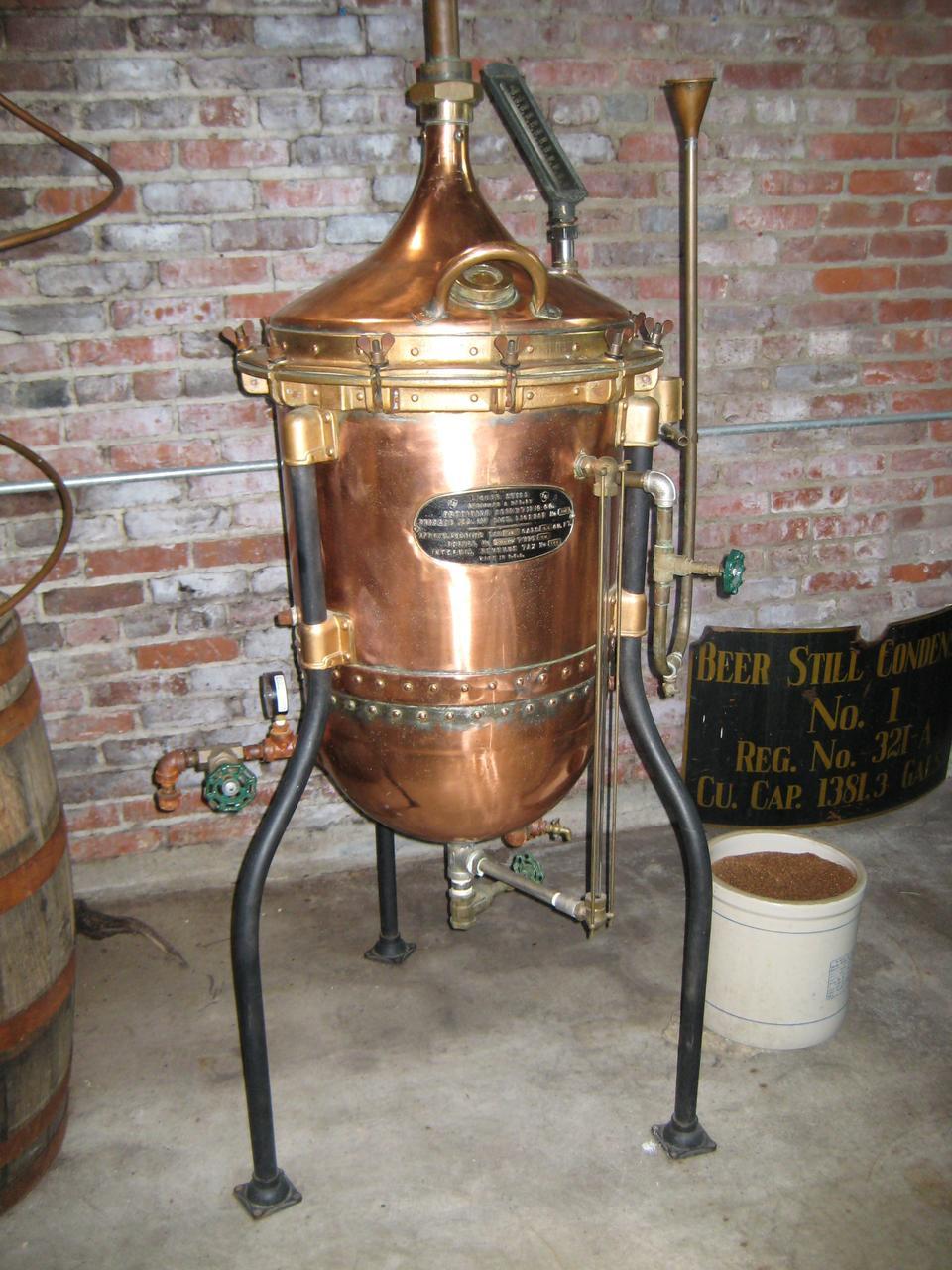
In 850 AD, in the brilliant city of Baghdad, the legendary scientist Abu Musa Jabir ibn Hayyan — more known as Geber in the West — wrote the manuscript
Kitab al-Asrar (Book of Secrets), in which he described a low-pressure distillation system using an apparatus called
alembic. Not for making drinks, but to purify medicinal substances, mercury, and holy water (
aqua vitae). This technique was later adopted by Andalusian scholars such as Al-Zahrawi, then seeped into Europe through 12th-century translations from Toledo. However, it was not until the 1080s that Benedictine monks in Salerno, Italy, explicitly recorded the use of
aqua ardens (burning water) as an antiseptic for sword wounds and typhoid fever — a hidden revolution in medieval pharmacology.
Church Ban & Monastery Secrets: When Drinks Became Forbidden but Still Made
In 1214, the Fourth Council of Lateran explicitly banned the use of
aqua vitae for 'secular' purposes, especially when consumed without a doctor's prescription or a bishop's permission. The reason was not purely moral, but political: distilled alcohol — which could reach 60–80% ABV — was considered 'too strong' for the average human body, and had the potential to challenge the Church's authority over physical health. However, this ban did not stop production. At St. Gallen Abbey (Switzerland), a 13th-century manuscript shows daily records: '17 gallons of
spiritus vini produced this week; 12 for the pharmacy, 5 for emergency storage'. The secret of distillation was closely guarded — only two monks in each monastery were allowed to master the techniques of heating, condensation cooling, and selecting the 'heart' of the distillate (the purest part). A small mistake in temperature could produce deadly methanol — and it actually happened in Paris in 1295, when 34 people died from a batch of counterfeit
eau-de-vie.
The Black Death & the Birth of Modern Medicine: How Liquor Saved Europe
Between 1347–1351, the Black Death killed more than a third of Europe's population. Traveling doctors carried small bottles of
aqua vitae, rubbing them on patients' skin, mixing them with spices and honey as a 'protective elixir'. Although it did not cure the plague, distilled alcohol proved effective in killing the
Yersinia pestis bacteria on surfaces — a fact recently verified by the University of Cambridge in 2022 through microbiological tests on 14th-century recipe replicas. More importantly, distillation allowed the preservation of medicinal plant extracts — such as valerian root and chamomile flowers — which previously spoiled within three days. This became the foundation of the European pharmacopeia until the 18th century.
Trade Revolution: From Burning Water to Liquid Gold Across the Seas
In the 15th century, Portuguese sailors carried wine distillates (brandy) as an 'emergency preservative' on their ships — not for drinking, but to preserve blood and organs for future autopsies in Lisbon. However, they found out that the longer the drink was stored in oak barrels on the ship's deck, the smoother and more aromatic it became. This was the birth of the first
aging technique. In 1521, Magellan's fleet carried 120 barrels of
aguardiente from Seville to the Philippines — not as provisions, but as a trading tool with chieftains in Ternate. There, the drink was exchanged for 3 tons of cloves — worth the equivalent of 400 kilograms of gold. Liquor was no longer just medicine or contraband: it was liquid currency that drove colonization, spice trade, and even maritime conflicts between the Portuguese and the Dutch.
An Undistilled Legacy: From Monasteries to Bottles on Your Table
Today, every sip of vodka, rum, or tequila still carries traces of this history: the shape of the Arab
alembic, the Latin name
aqua vitae, the tradition of selecting the 'heart' of the distillate, and even ABV regulations that began from the Lateran Council's decree. In Scotland, the
Scotch Whisky Regulations 2009 require a minimum of 3 years of aging — a direct legacy from the 12th-century monks who stored
spiritus vini in wooden barrels to 'mature wisdom'. Liquor is not just a strong drink. It is a chemical, theological, and survival trace — distillation that saved lives before becoming a symbol of luxury, and which continues to test the boundaries between medicine and poison to this day.
---
Reference: Liquor — Wikipedia
This Drink Was Banned for 13 Centuries in Europe — But It Saved Thousands of Lives. In the darkness of the Middle Ages, a high-alcohol clear liquid was secretly made in remote monasteries — not to get drunk, but as a cure for plagues. It was not just a drink: it was the first recorded distillation in human history, and its secret technique was kept for centuries. Why did the Church ban it? And how did it eventually become the backbone of medical, trade, and even war revolutions?. The Origins of Distillation: From Arab Alchemy to 9th-Century European Monasteries
In 850 AD, in the brilliant city of Baghdad, the legendary scientist Abu Musa Jabir ibn Hayyan — more known as Geber in the West — wrote the manuscript Kitab al-Asrar Book of Secrets , in which he described a low-pressure distillation system using an apparatus called alembic . Not for making drinks, but to purify medicinal substances, mercury, and holy water aqua vitae . This technique was later adopted by Andalusian scholars such as Al-Zahrawi, then seeped into Europe through 12th-century translations from Toledo. However, it was not until the 1080s that Benedictine monks in Salerno, Italy, explicitly recorded the use of aqua ardens burning water as an antiseptic for sword wounds and typhoid fever — a hidden revolution in medieval pharmacology.
Church Ban & Monastery Secrets: When Drinks Became Forbidden but Still Made
In 1214, the Fourth Council of Lateran explicitly banned the use of aqua vitae for 'secular' purposes, especially when consumed without a doctor's prescription or a bishop's permission. The reason was not purely moral, but political: distilled alcohol — which could reach 60–80% ABV — was considered 'too strong' for the average human body, and had the potential to challenge the Church's authority over physical health. However, this ban did not stop production. At St. Gallen Abbey Switzerland , a 13th-century manuscript shows daily records: '17 gallons of spiritus vini produced this week; 12 for the pharmacy, 5 for emergency storage'. The secret of distillation was closely guarded — only two monks in each monastery were allowed to master the techniques of heating, condensation cooling, and selecting the 'heart' of the distillate the purest part . A small mistake in temperature could produce deadly methanol — and it actually happened in Paris in 1295, when 34 people died from a batch of counterfeit eau-de-vie .
The Black Death & the Birth of Modern Medicine: How Liquor Saved Europe
Between 1347–1351, the Black Death killed more than a third of Europe's population. Traveling doctors carried small bottles of aqua vitae , rubbing them on patients' skin, mixing them with spices and honey as a 'protective elixir'. Although it did not cure the plague, distilled alcohol proved effective in killing the Yersinia pestis bacteria on surfaces — a fact recently verified by the University of Cambridge in 2022 through microbiological tests on 14th-century recipe replicas. More importantly, distillation allowed the preservation of medicinal plant extracts — such as valerian root and chamomile flowers — which previously spoiled within three days. This became the foundation of the European pharmacopeia until the 18th century.
Trade Revolution: From Burning Water to Liquid Gold Across the Seas
In the 15th century, Portuguese sailors carried wine distillates brandy as an 'emergency preservative' on their ships — not for drinking, but to preserve blood and organs for future autopsies in Lisbon. However, they found out that the longer the drink was stored in oak barrels on the ship's deck, the smoother and more aromatic it became. This was the birth of the first aging technique. In 1521, Magellan's fleet carried 120 barrels of aguardiente from Seville to the Philippines — not as provisions, but as a trading tool with chieftains in Ternate. There, the drink was exchanged for 3 tons of cloves — worth the equivalent of 400 kilograms of gold. Liquor was no longer just medicine or contraband: it was liquid currency that drove colonization, spice trade, and even maritime conflicts between the Portuguese and the Dutch.
An Undistilled Legacy: From Monasteries to Bottles on Your Table
Today, every sip of vodka, rum, or tequila still carries traces of this history: the shape of the Arab alembic , the Latin name aqua vitae , the tradition of selecting the 'heart' of the distillate, and even ABV regulations that began from the Lateran Council's decree. In Scotland, the Scotch Whisky Regulations 2009 require a minimum of 3 years of aging — a direct legacy from the 12th-century monks who stored spiritus vini in wooden barrels to 'mature wisdom'. Liquor is not just a strong drink. It is a chemical, theological, and survival trace — distillation that saved lives before becoming a symbol of luxury, and which continues to test the boundaries between medicine and poison to this day.
---
Reference: Liquor — Wikipedia https://en.wikipedia.org/wiki/Liquor