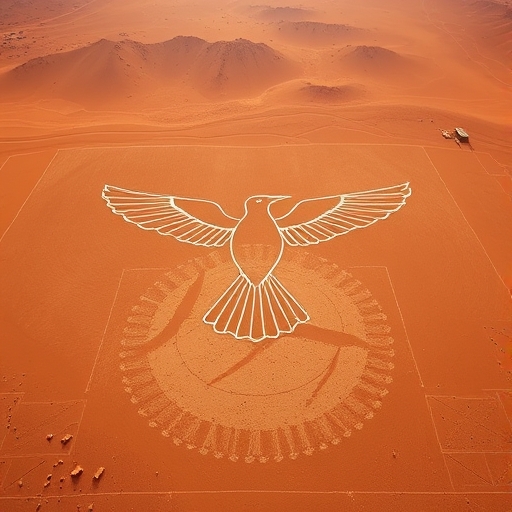
Di tengah-tengah kegersangan Pampa Colorada, sebuah dataran tinggi gurun yang terbentang luas sejauh mata memandang di selatan Peru, tersembunyi sebuah misteri yang telah memukau imaginasi manusia selama berabad-abad. Di sini, di atas permukaan tanah yang berwarna merah berkarat dan gersang, terdapat galeri seni purba yang paling luar biasa di planet ini: Garis-garis Nazca (Nazca Lines).
Evolusi Seni Geoglif Gergasi
Garisan-garisan ini bukanlah coretan tanpa makna, melainkan satu siri geoglif atau karya seni di atas tanah yang dibuat dengan skala yang menakjubkan. Lebih daripada 70 reka bentuk haiwan dan tumbuhan yang dikenali sebagai biomorfik telah dikenal pasti, termasuklah burung kolibri berukuran 50 meter, labah-labah yang rumit, paus, monyet, dan juga seekor anjing dengan ekor yang melengkung. Selain itu, terdapat ratusan bentuk geometri dan garisan lurus yang memotong padang pasir seperti landasan kapal terbang gergasi.
Kehebatan seni ini terletak pada teknik penciptaannya. Tamadun Nazca, yang berkembang maju antara tahun 500 SM hingga 500 Masihi, mencipta karya ini dengan satu kaedah yang sangat inovatif namun mudah. Mereka mengeluarkan lapisan batu kerakal berwarna merah tua yang dilapisi oksida besi untuk mendedahkan tanah kuning pucat di bawahnya. Di kawasan gurun yang jarang menerima hujan dan dilindungi dari angin kencang, karya seni ini telah kekal utuh selama lebih daripada 1,500 tahun.
Teori Fungsi: Sains, Ritual, atau Luar Angkasa?
Apa yang menjadikan Garis Nazca begitu mempesona ialah persoalan fundamen:
Untuk apa ia dibuat? Para cendekiawan dan ahli arkeologi telah mengemukakan pelbagai teori yang saling bertentangan.
Kalendar Astronomi: Ahli matematik dan ahli arkeologi terkenal, Maria Reiche, menghabiskan sebahagian besar hidupnya mengkaji garisan ini. Beliau berhujah bahawa garisan tersebut berfungsi sebagai kalendar astronomi yang besar. Menurut beliau, garisan-garisan ini disusun untuk selari dengan kedudukan matahari, bulan, dan bintang-bintang tertentu, membantu petani Nazca untuk menentukan kitaran tanam dan musim menuai dengan tepat.
Ritual Air dan Kesuburan: Teori yang kini semakin diterima pakai oleh komuniti arkeologi pula mengaitkan garisan ini dengan pemujaan air. Dalam gurun yang sangat kering, air adalah sumber kehidupan yang paling utama. Beberapa kajian mencadangkan bahawa garisan geometri tersebut adalah laluan prosesi yang dilalui oleh masyarakat Nazca semasa upacara ritual untuk memohon hujan atau kesuburan tanah dari dewa-dewa mereka. Sesetengah garisan dikatakan selari dengan sumber air bawah tanah atau puquios, sistem saliran purba yang canggih.
Landasan Makhluk Asing: Tidak lengkap rasanya perbincangan mengenai Nazca tanpa menyentuh teori yang lebih kontroversi iaitu penglibatan makhluk asing. Penulis Erich von Däniken dalam bukunya Chariots of the Gods? berpendapat bahawa garisan ini adalah landasan pendaratan untuk pesawat angkasa lepas tamadun asing. Teori ini sering dikaitkan dengan reka bentuk manusia, yang dilihat seperti angkasawan, di kalangan geoglif tersebut. Walaupun teori ini popular dalam budaya pop, ia ditolak oleh majoriti saintis kerana kurangnya bukti empirikal dan mengabaikan kecanggihan kejuruteraan manusia purba.
Warisan Tak Boleh Ganti
Pada tahun 1994, UNESCO telah mengiktiraf Garisan-garisan Nazca dan Pampas de Jumana sebagai Tapak Warisan Dunia. Namun, kewujudannya kini menghadapi ancaman baharu akibat perubahan iklim dan aktiviti manusia moden seperti perlombongan haram dan pencerobohan infrastruktur.
Sama ada ia adalah peta bintang, laluan sacral untuk dewa hujan, atau hadiah dari tamadun lain, Garis Nazca kekal sebagai bukti nyata kebijaksanaan dan kreativiti manusia purba. Ia mengingatkan kita bahawa walaupun tanpa teknologi moden, nenek moyang kita memiliki pemahaman mendalam tentang alam semesta dan keupayaan untuk mengubah landskap dengan cara yang kekal selama lebih dua alaf.
Misteri Gurun Nazca: Lukisan Gergasi Gurun Andes yang Mengagumkan Dunia. Menelusuri keajaiban arkeologi di gurun Peru yang menyimpan ribuan geoglif gergasi, ciptaan tamadun Nazca yang masih membingungkan pakar hingga kini.. Di tengah-tengah kegersangan Pampa Colorada, sebuah dataran tinggi gurun yang terbentang luas sejauh mata memandang di selatan Peru, tersembunyi sebuah misteri yang telah memukau imaginasi manusia selama berabad-abad. Di sini, di atas permukaan tanah yang berwarna merah berkarat dan gersang, terdapat galeri seni purba yang paling luar biasa di planet ini: Garis-garis Nazca Nazca Lines .
Evolusi Seni Geoglif Gergasi
Garisan-garisan ini bukanlah coretan tanpa makna, melainkan satu siri geoglif atau karya seni di atas tanah yang dibuat dengan skala yang menakjubkan. Lebih daripada 70 reka bentuk haiwan dan tumbuhan yang dikenali sebagai biomorfik telah dikenal pasti, termasuklah burung kolibri berukuran 50 meter, labah-labah yang rumit, paus, monyet, dan juga seekor anjing dengan ekor yang melengkung. Selain itu, terdapat ratusan bentuk geometri dan garisan lurus yang memotong padang pasir seperti landasan kapal terbang gergasi.
Kehebatan seni ini terletak pada teknik penciptaannya. Tamadun Nazca, yang berkembang maju antara tahun 500 SM hingga 500 Masihi, mencipta karya ini dengan satu kaedah yang sangat inovatif namun mudah. Mereka mengeluarkan lapisan batu kerakal berwarna merah tua yang dilapisi oksida besi untuk mendedahkan tanah kuning pucat di bawahnya. Di kawasan gurun yang jarang menerima hujan dan dilindungi dari angin kencang, karya seni ini telah kekal utuh selama lebih daripada 1,500 tahun.
Teori Fungsi: Sains, Ritual, atau Luar Angkasa?
Apa yang menjadikan Garis Nazca begitu mempesona ialah persoalan fundamen: Untuk apa ia dibuat? Para cendekiawan dan ahli arkeologi telah mengemukakan pelbagai teori yang saling bertentangan.
Kalendar Astronomi: Ahli matematik dan ahli arkeologi terkenal, Maria Reiche, menghabiskan sebahagian besar hidupnya mengkaji garisan ini. Beliau berhujah bahawa garisan tersebut berfungsi sebagai kalendar astronomi yang besar. Menurut beliau, garisan-garisan ini disusun untuk selari dengan kedudukan matahari, bulan, dan bintang-bintang tertentu, membantu petani Nazca untuk menentukan kitaran tanam dan musim menuai dengan tepat.
Ritual Air dan Kesuburan: Teori yang kini semakin diterima pakai oleh komuniti arkeologi pula mengaitkan garisan ini dengan pemujaan air. Dalam gurun yang sangat kering, air adalah sumber kehidupan yang paling utama. Beberapa kajian mencadangkan bahawa garisan geometri tersebut adalah laluan prosesi yang dilalui oleh masyarakat Nazca semasa upacara ritual untuk memohon hujan atau kesuburan tanah dari dewa-dewa mereka. Sesetengah garisan dikatakan selari dengan sumber air bawah tanah atau puquios , sistem saliran purba yang canggih.
Landasan Makhluk Asing: Tidak lengkap rasanya perbincangan mengenai Nazca tanpa menyentuh teori yang lebih kontroversi iaitu penglibatan makhluk asing. Penulis Erich von Däniken dalam bukunya Chariots of the Gods? berpendapat bahawa garisan ini adalah landasan pendaratan untuk pesawat angkasa lepas tamadun asing. Teori ini sering dikaitkan dengan reka bentuk manusia, yang dilihat seperti angkasawan, di kalangan geoglif tersebut. Walaupun teori ini popular dalam budaya pop, ia ditolak oleh majoriti saintis kerana kurangnya bukti empirikal dan mengabaikan kecanggihan kejuruteraan manusia purba.
Warisan Tak Boleh Ganti
Pada tahun 1994, UNESCO telah mengiktiraf Garisan-garisan Nazca dan Pampas de Jumana sebagai Tapak Warisan Dunia. Namun, kewujudannya kini menghadapi ancaman baharu akibat perubahan iklim dan aktiviti manusia moden seperti perlombongan haram dan pencerobohan infrastruktur.
Sama ada ia adalah peta bintang, laluan sacral untuk dewa hujan, atau hadiah dari tamadun lain, Garis Nazca kekal sebagai bukti nyata kebijaksanaan dan kreativiti manusia purba. Ia mengingatkan kita bahawa walaupun tanpa teknologi moden, nenek moyang kita memiliki pemahaman mendalam tentang alam semesta dan keupayaan untuk mengubah landskap dengan cara yang kekal selama lebih dua alaf.