An Unending Night
Imagine lying in bed, staring at the ceiling for hours, yet your eyes remain open. Or worse, you wake up with a sore body and dry mouth, as if you have run a marathon all night. This is the reality for millions of people struggling with sleep disorders—known in medical terms as somnipathy. These disorders are not just about difficulty sleeping; they are a silent epidemic that damages physical, mental, and emotional well-being. According to a study by the American Academy of Sleep Medicine, more than 70 million Americans alone suffer from chronic sleep problems, with economic costs reaching hundreds of billions of dollars annually. In Malaysia, statistics show one in three adults complain about poor sleep quality, yet many do not realize that it is a treatable condition.
Types of Sleep Disorders: More Than Just Insomnia
Sleep disorders are divided into several main categories. The first,
dyssomnias, includes problems with falling or staying asleep. Insomnia is the leading cause in this category—the main enemy of modern humans often associated with work stress, excessive use of gadgets, and irregular lifestyles. Its symptoms are clear: difficulty falling asleep, frequent waking during the night, or waking up too early without being able to fall back asleep. However, what many do not know is that chronic insomnia can increase the risk of heart disease, diabetes, and depression.
The second category, parasomnias, is more mysterious. It includes sleepwalking (walking while asleep), night terrors (nightmares), and bruxism (teeth grinding). Imagine a child screaming in the middle of the night without awareness, or an adult waking up with a sore jaw from grinding teeth until the enamel wears down. Parasomnias often occur during the transition between sleep stages, when the brain is partially awake but the body moves uncontrollably.
Circadian rhythm sleep disorders involve disruptions in the body's biological clock. Examples include jet lag, shift work disorder (disorders caused by working shifts), and delayed sleep phase syndrome (a syndrome where the sleep phase is delayed). In the era of globalization, many are forced to work at night, causing their circadian rhythms to be disrupted. As a result, the risk of cancer, cardiovascular diseases, and obesity increases rapidly.
Sleep Apnea: A Silent Killer During Sleep
One of the most dangerous sleep disorders is
sleep apnea. This condition causes breathing to stop and start during sleep, sometimes for 10 seconds or more, and can occur hundreds of times a night. Patients are often unaware, but their sleep partners will hear loud snoring followed by frightening pauses in breathing. Sleep apnea is divided into three types: obstructive (caused by blocked airways), central (the brain fails to send signals to the breathing muscles), and complex (a combination of both). Without treatment, sleep apnea can lead to hypertension, stroke, heart attacks, and even sudden death. More concerning, the majority of patients are undiagnosed because symptoms like excessive daytime sleepiness are often considered normal.
Narcolepsy: Unexpected Sleep
Narcolepsy is a neurological disorder that causes someone to suddenly fall asleep during the day, regardless of the activity they are doing. Imagine driving on a highway, suddenly feeling extremely sleepy and having to stop. Or talking to a friend, then falling asleep within seconds. This is not a joke; it is the reality for those suffering from narcolepsy. This condition is often accompanied by cataplexy—a sudden loss of muscle control due to strong emotions such as laughter or anger. The cause is believed to be related to a deficiency of hypocretin, a neurotransmitter that regulates the sleep-wake cycle. Although there is no cure, treatment with stimulants and antidepressants can help manage the symptoms.
Sleep and Mental Health: A Vicious Cycle
Sleep disorders never exist in isolation. They are often closely linked to mental disorders such as depression, anxiety, and PTSD. Insomnia is said to be an early symptom of depression in 90% of cases. Conversely, lack of sleep can trigger manic episodes in bipolar patients. A study from Harvard Medical School showed that poor-quality sleep disrupts the brain's ability to process emotions, making a person more easily angry, anxious, and depressed. This is the vicious cycle: stress causes difficulty sleeping, difficulty sleeping increases stress, and so on. To break this chain, treatment must target both physical and psychological issues.
Diagnosis and Treatment: Hope at the End of the Night
To detect sleep disorders, doctors usually use
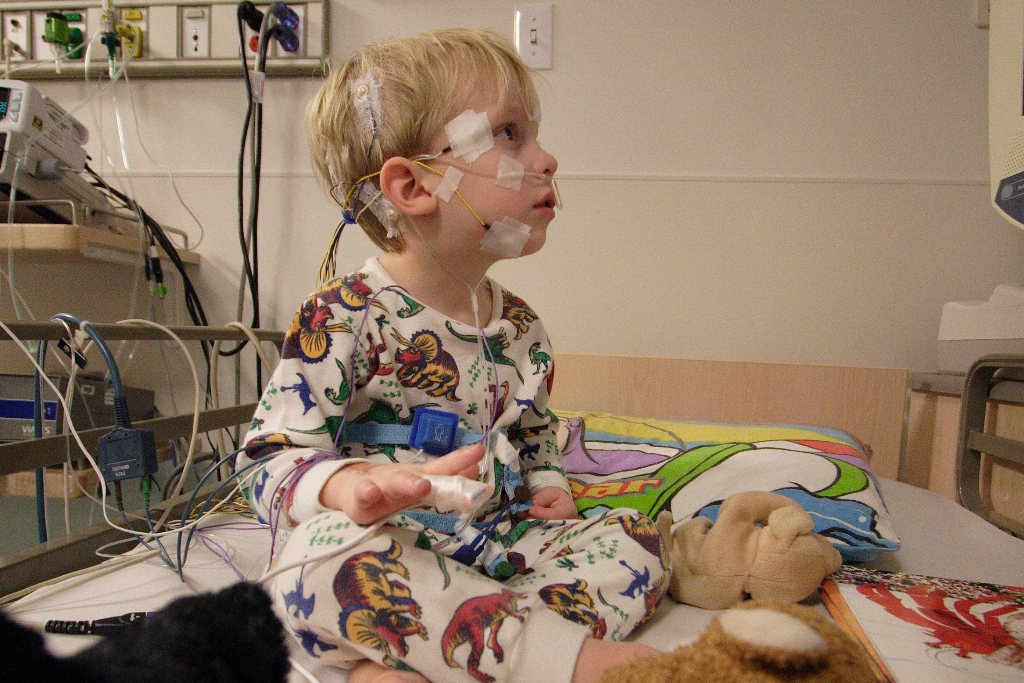
polysomnography—a sleep test that records brain waves, heart rate, breathing, and eye movements. Other devices such as
actigraphy (a device like a watch that detects movement) can be used to monitor sleep patterns at home. Treatment depends on the type of disorder. For insomnia, cognitive behavioral therapy (CBT-I) is the primary choice, addressing the use of sleeping pills that can lead to addiction. Sleep apnea requires a CPAP machine that provides positive air pressure to keep the airway open. For circadian rhythm disorders, light therapy and melatonin can help reset the biological clock.
Conclusion: Do Not Ignore the Signals of the Night
Sleep disorders are not just minor issues that can be ignored. They are serious threats that can steal health, social relationships, and lives. If you or a loved one experience signs such as difficulty sleeping, frequent waking, excessive daytime sleepiness, or other strange symptoms, do not hesitate to consult a specialist. Sleep is the key to well-being; do not let the night become an endless nightmare.
Mystery of the Night: When Sleep Turns Into an Endless Nightmare. Sleep, which should restore energy, can become a cause of serious health issues. More than 70 million people worldwide suffer from sleep disorders without realizing it. This article reveals surprising facts about insomnia, sleep apnea, and parasomnia that hinder modern life. Discover how sleep disorders can silently steal lives.. An Unending Night
Imagine lying in bed, staring at the ceiling for hours, yet your eyes remain open. Or worse, you wake up with a sore body and dry mouth, as if you have run a marathon all night. This is the reality for millions of people struggling with sleep disorders—known in medical terms as somnipathy. These disorders are not just about difficulty sleeping; they are a silent epidemic that damages physical, mental, and emotional well-being. According to a study by the American Academy of Sleep Medicine, more than 70 million Americans alone suffer from chronic sleep problems, with economic costs reaching hundreds of billions of dollars annually. In Malaysia, statistics show one in three adults complain about poor sleep quality, yet many do not realize that it is a treatable condition.
Types of Sleep Disorders: More Than Just Insomnia
Sleep disorders are divided into several main categories. The first, dyssomnias , includes problems with falling or staying asleep. Insomnia is the leading cause in this category—the main enemy of modern humans often associated with work stress, excessive use of gadgets, and irregular lifestyles. Its symptoms are clear: difficulty falling asleep, frequent waking during the night, or waking up too early without being able to fall back asleep. However, what many do not know is that chronic insomnia can increase the risk of heart disease, diabetes, and depression.
The second category, parasomnias , is more mysterious. It includes sleepwalking walking while asleep , night terrors nightmares , and bruxism teeth grinding . Imagine a child screaming in the middle of the night without awareness, or an adult waking up with a sore jaw from grinding teeth until the enamel wears down. Parasomnias often occur during the transition between sleep stages, when the brain is partially awake but the body moves uncontrollably.
Circadian rhythm sleep disorders involve disruptions in the body's biological clock. Examples include jet lag, shift work disorder disorders caused by working shifts , and delayed sleep phase syndrome a syndrome where the sleep phase is delayed . In the era of globalization, many are forced to work at night, causing their circadian rhythms to be disrupted. As a result, the risk of cancer, cardiovascular diseases, and obesity increases rapidly.
Sleep Apnea: A Silent Killer During Sleep
One of the most dangerous sleep disorders is sleep apnea . This condition causes breathing to stop and start during sleep, sometimes for 10 seconds or more, and can occur hundreds of times a night. Patients are often unaware, but their sleep partners will hear loud snoring followed by frightening pauses in breathing. Sleep apnea is divided into three types: obstructive caused by blocked airways , central the brain fails to send signals to the breathing muscles , and complex a combination of both . Without treatment, sleep apnea can lead to hypertension, stroke, heart attacks, and even sudden death. More concerning, the majority of patients are undiagnosed because symptoms like excessive daytime sleepiness are often considered normal.
Narcolepsy: Unexpected Sleep
Narcolepsy is a neurological disorder that causes someone to suddenly fall asleep during the day, regardless of the activity they are doing. Imagine driving on a highway, suddenly feeling extremely sleepy and having to stop. Or talking to a friend, then falling asleep within seconds. This is not a joke; it is the reality for those suffering from narcolepsy. This condition is often accompanied by cataplexy—a sudden loss of muscle control due to strong emotions such as laughter or anger. The cause is believed to be related to a deficiency of hypocretin, a neurotransmitter that regulates the sleep-wake cycle. Although there is no cure, treatment with stimulants and antidepressants can help manage the symptoms.
Sleep and Mental Health: A Vicious Cycle
Sleep disorders never exist in isolation. They are often closely linked to mental disorders such as depression, anxiety, and PTSD. Insomnia is said to be an early symptom of depression in 90% of cases. Conversely, lack of sleep can trigger manic episodes in bipolar patients. A study from Harvard Medical School showed that poor-quality sleep disrupts the brain's ability to process emotions, making a person more easily angry, anxious, and depressed. This is the vicious cycle: stress causes difficulty sleeping, difficulty sleeping increases stress, and so on. To break this chain, treatment must target both physical and psychological issues.
Diagnosis and Treatment: Hope at the End of the Night
To detect sleep disorders, doctors usually use polysomnography —a sleep test that records brain waves, heart rate, breathing, and eye movements. Other devices such as actigraphy a device like a watch that detects movement can be used to monitor sleep patterns at home. Treatment depends on the type of disorder. For insomnia, cognitive behavioral therapy CBT-I is the primary choice, addressing the use of sleeping pills that can lead to addiction. Sleep apnea requires a CPAP machine that provides positive air pressure to keep the airway open. For circadian rhythm disorders, light therapy and melatonin can help reset the biological clock.
Conclusion: Do Not Ignore the Signals of the Night
Sleep disorders are not just minor issues that can be ignored. They are serious threats that can steal health, social relationships, and lives. If you or a loved one experience signs such as difficulty sleeping, frequent waking, excessive daytime sleepiness, or other strange symptoms, do not hesitate to consult a specialist. Sleep is the key to well-being; do not let the night become an endless nightmare.