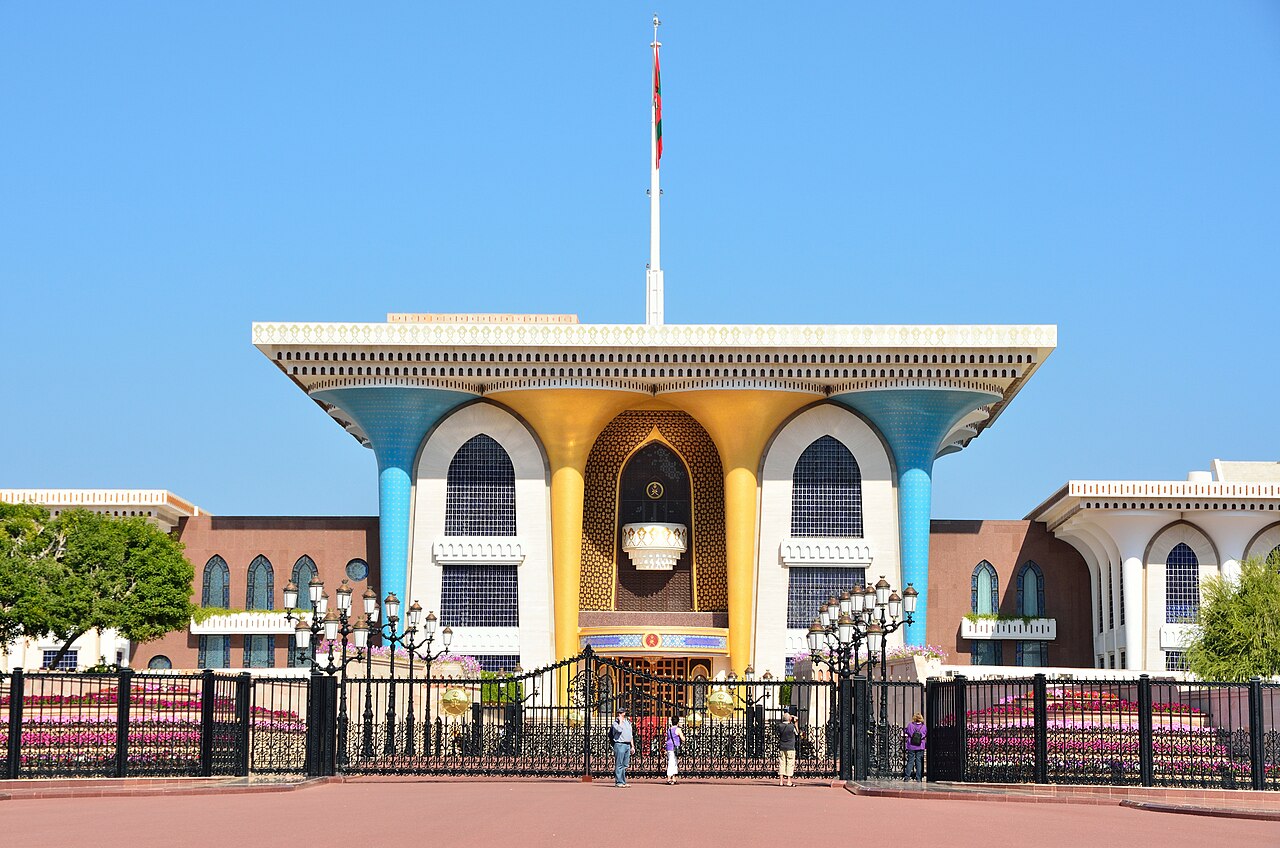
Introduction: A Gem on the Arabian Coast
When we mention Muscat, many may imagine a modern city with white buildings and a busy port. However, behind this modernity lies a long and glorious history. Muscat, the capital of Oman, has been an important port since the early first century AD. In the history of Islamic civilization, this city was not only a gateway for spices and silk, but also a center for cultural meetings, knowledge, and maritime power. It was here that sailing ships from India, China, and Africa exchanged goods, ideas, and faith.
Heritage Port Since Pre-Islamic Times
Before the arrival of Islam, Muscat was already known as a strategic port. Located on the southeast coast of the Arabian Peninsula, it became a main stop for merchants from Rome, Persia, and India. When Islam arrived in the 7th century, Muscat quickly embraced this new message. Its residents, accustomed to international trade, saw Islam as a path to justice and prosperity. Thus, Muscat became part of the rapidly expanding Islamic world.
Golden Age Under Islamic Rule
From the 8th to the 15th century, Muscat developed rapidly under various Islamic dynasties such as the Umayyads, Abbasids, and later local dynasties. This port became a major center for trade in frankincense, spices, textiles, and ivory. Ships from Guangzhou in China and Calicut in India stopped here to get water, supplies, and information. Muslim traders from Muscat also brought Islam to distant ports such as Sumatra and Java. In the records of Chinese navigator Ma Huan, who accompanied Admiral Zheng He in the 15th century, Muscat was described as a prosperous city with friendly residents and a vibrant market.
Muscat as a Center of Islamic Science and Culture
In addition to trade, Muscat also became a center of knowledge. Scholars and intellectuals from all over the Islamic world visited here, either for trade or to pursue knowledge. Small libraries began to be built, and mosques became places for scientific discussions. The Ibadhi school, which is a major branch of Islam in Oman, flourished in Muscat. Although Ibadhis are often considered a minority sect, they bring a tradition of tolerance and consensus. In Muscat, merchants from various religions and ethnicities lived together safely - an early example of a harmonious global society.
Maritime Golden Age: The 18th Century
The peak of Muscat's glory in Islamic history came in the 18th century. At that time, Muscat under the rule of the Al Bu Said dynasty became a regional maritime power. The Muscat fleet controlled the trade routes of the Indian Ocean, from the east coast of Africa to Gujarat and Malacca. The influence of Muscat extended to Zanzibar and the Swahili coast, making it one of the most influential Islamic maritime empires. The port was filled with merchant and warships. The wealth flowing in made Muscat a luxurious city with palaces, mosques, and beautiful gardens.
Challenges and Revival
However, glory did not last forever. In the 19th century, with the arrival of European colonial powers, especially the British, Muscat lost much of its maritime influence. However, the spirit of trade and Islam never faded. After Oman's independence in 1970, Muscat rose again as a modern center that still preserves its historical heritage. Today, the Muscat port is busy again, not with sailing ships, but with container ships and tourists. Historic mosques like Sultan Qaboos Mosque have become symbols of the enduring glory of Islam.
Conclusion: The Port That Connects Eras
The history of Muscat teaches us that Islamic civilization is not just about warfare and territorial expansion. It is also about trade, cultural exchange, and the spread of knowledge. Muscat, with its open port, is evidence that Islam is a religion that connects, not separates. From spices to faith, from sailing ships to container ships, Muscat continues to be a port that connects eras - a legacy that we should appreciate and learn from.
---
Reference: Muscat — Wikipedia
Muscat: The Golden Port Connecting the Islamic World in the Indian Ocean Network. Muscat, the capital of Oman today, is not just an administrative city. Since the first century AD, it has been a major port connecting East and West. In the context of Islamic civilization, Muscat played an important role as a center of trade, dissemination of knowledge, and influential maritime power from the 7th to the 18th century, making it one of the most brilliant ports in the history of the Indian Ocean.. Introduction: A Gem on the Arabian Coast
When we mention Muscat, many may imagine a modern city with white buildings and a busy port. However, behind this modernity lies a long and glorious history. Muscat, the capital of Oman, has been an important port since the early first century AD. In the history of Islamic civilization, this city was not only a gateway for spices and silk, but also a center for cultural meetings, knowledge, and maritime power. It was here that sailing ships from India, China, and Africa exchanged goods, ideas, and faith.
Heritage Port Since Pre-Islamic Times
Before the arrival of Islam, Muscat was already known as a strategic port. Located on the southeast coast of the Arabian Peninsula, it became a main stop for merchants from Rome, Persia, and India. When Islam arrived in the 7th century, Muscat quickly embraced this new message. Its residents, accustomed to international trade, saw Islam as a path to justice and prosperity. Thus, Muscat became part of the rapidly expanding Islamic world.
Golden Age Under Islamic Rule
From the 8th to the 15th century, Muscat developed rapidly under various Islamic dynasties such as the Umayyads, Abbasids, and later local dynasties. This port became a major center for trade in frankincense, spices, textiles, and ivory. Ships from Guangzhou in China and Calicut in India stopped here to get water, supplies, and information. Muslim traders from Muscat also brought Islam to distant ports such as Sumatra and Java. In the records of Chinese navigator Ma Huan, who accompanied Admiral Zheng He in the 15th century, Muscat was described as a prosperous city with friendly residents and a vibrant market.
Muscat as a Center of Islamic Science and Culture
In addition to trade, Muscat also became a center of knowledge. Scholars and intellectuals from all over the Islamic world visited here, either for trade or to pursue knowledge. Small libraries began to be built, and mosques became places for scientific discussions. The Ibadhi school, which is a major branch of Islam in Oman, flourished in Muscat. Although Ibadhis are often considered a minority sect, they bring a tradition of tolerance and consensus. In Muscat, merchants from various religions and ethnicities lived together safely - an early example of a harmonious global society.
Maritime Golden Age: The 18th Century
The peak of Muscat's glory in Islamic history came in the 18th century. At that time, Muscat under the rule of the Al Bu Said dynasty became a regional maritime power. The Muscat fleet controlled the trade routes of the Indian Ocean, from the east coast of Africa to Gujarat and Malacca. The influence of Muscat extended to Zanzibar and the Swahili coast, making it one of the most influential Islamic maritime empires. The port was filled with merchant and warships. The wealth flowing in made Muscat a luxurious city with palaces, mosques, and beautiful gardens.
Challenges and Revival
However, glory did not last forever. In the 19th century, with the arrival of European colonial powers, especially the British, Muscat lost much of its maritime influence. However, the spirit of trade and Islam never faded. After Oman's independence in 1970, Muscat rose again as a modern center that still preserves its historical heritage. Today, the Muscat port is busy again, not with sailing ships, but with container ships and tourists. Historic mosques like Sultan Qaboos Mosque have become symbols of the enduring glory of Islam.
Conclusion: The Port That Connects Eras
The history of Muscat teaches us that Islamic civilization is not just about warfare and territorial expansion. It is also about trade, cultural exchange, and the spread of knowledge. Muscat, with its open port, is evidence that Islam is a religion that connects, not separates. From spices to faith, from sailing ships to container ships, Muscat continues to be a port that connects eras - a legacy that we should appreciate and learn from.
---
Reference: Muscat — Wikipedia https://en.wikipedia.org/wiki/Muscat