What is Adie Syndrome – And Why is it So Strange?
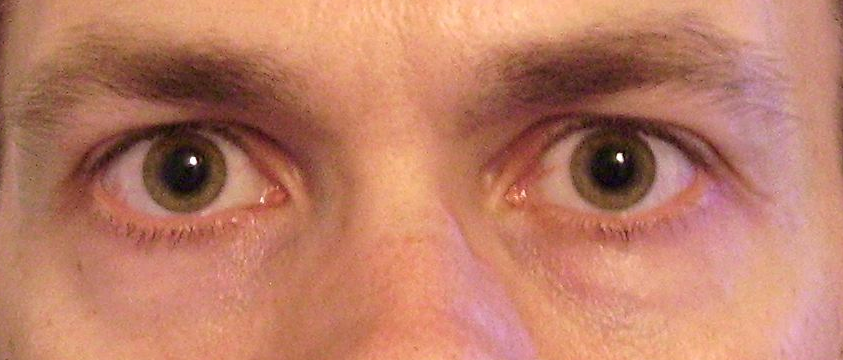
Adie syndrome, also known as Holmes–Adie syndrome, is a rare neurological disorder. Its name comes from two British neurologists, William John Adie and Gordon Morgan Holmes, who separately described the condition in 1931. Its main characteristic is one pupil that appears constantly enlarged (dilated pupil) and reacts very slowly to light. However, what makes it peculiar and difficult to understand is the abnormal response of the eye to accommodation — when the eye tries to focus on a near object, the pupil constricts better. This phenomenon is called light-near dissociation. Imagine your eye is like a camera that focuses slowly when the light changes but very quickly when you try to look at something close. Strange, isn't it?
Who is Most Frequently Affected by This Syndrome – And Why?
Adie syndrome is more common in women than men, with a ratio of approximately 2.5:1. It often appears in middle age, around 20 to 40 years old. Interestingly, in most cases, only one eye is affected — called an ‘Adie tonic pupil’. But in some cases, both eyes can be involved. In addition to pupil changes, patients often lose deep tendon reflexes, especially the knee jerk and ankle jerk. This means if a doctor taps your knee with a reflex hammer, your leg may not kick as expected. Even more mysteriously, some patients experience abnormal sweating (impaired sweating) on one side of the body. Imagine sweating on your left face but your right face is dry — these are among the strange symptoms of this syndrome.
What Causes It – Is It Contagious or Hereditary?
To date, the exact cause of Adie syndrome is not fully understood. However, scientists believe it stems from damage to the postganglionic fibers of the parasympathetic nervous system, which controls pupil movement. This damage is usually caused by viral or bacterial infections that trigger inflammation of the nerve. Suspected agents include the varicella-zoster virus (cause of chickenpox and shingles), herpes simplex virus, and bacteria like those causing syphilis. It is NOT a hereditary disease — so parents with it will not necessarily pass it on to their children. And importantly, it is NOT contagious from person to person. So, if you are friends with someone who has Adie syndrome, don't worry — you won't 'catch' it just by sitting next to them.
How Do Doctors Diagnose This Strange Condition?
Diagnosing Adie syndrome requires a thorough eye examination. Doctors typically use a pharmacological test called the ‘pilocarpine test’. Pilocarpine is a medication usually used to treat glaucoma. In a normal eye, a 0.1% pilocarpine solution will not cause significant pupil constriction. However, in an eye with denervation due to Adie syndrome, the pupil will constrict more strongly. This is because the damaged nerve becomes more sensitive to acetylcholine — a chemical produced by the body. Additionally, doctors will check tendon reflexes and perform sweating tests to confirm the diagnosis. Sometimes, an MRI scan of the brain is needed to rule out other possibilities such as tumors or strokes that could cause similar symptoms.
Can It Be Cured? Treatment and Prognosis
There is no treatment that can completely cure Adie syndrome, as the nerve damage that has occurred is difficult to reverse. However, there are ways to manage the symptoms and help patients lead normal lives. For the issue of enlarged pupils sensitive to light, doctors may prescribe sunglasses or special contact lenses to reduce glare. Eye drops containing pilocarpine can be used to temporarily constrict the pupil, but this may cause side effects like headaches or blurred vision at night. For the lost reflexes, no specific treatment is usually needed as they typically do not cause significant functional disability. If sweating problems are bothersome, doctors can prescribe anticholinergic medications like glycopyrrolate to reduce excessive sweating in other areas. Overall, the prognosis for patients with Adie syndrome is good — they can live normally, and life expectancy is not affected. They may just need to be cautious when driving at night or in low-light conditions.
Is It Related to Other Diseases?
Adie syndrome is sometimes mistaken for other conditions that show abnormal pupil symptoms. These include:
- Neurosyphilis (syphilis infection of the nervous system): Can cause Argyll Robertson pupils that constrict well to light but not to accommodation — the opposite of Adie syndrome.
- Diabetic neuropathy: Diabetic patients with nerve damage may show slow pupil reflexes.
- Horner's syndrome: Causes one pupil to constrict and the eyelid to droop — different from the enlarged pupil in Adie syndrome.
- Third nerve palsy (oculomotor nerve palsy): Can cause pupil dilation but is usually accompanied by strabismus or double vision.
The pilocarpine test and reflex examination help doctors differentiate Adie syndrome from these conditions.
Patient Experience – Living with One ‘Monster’ Eye
Many patients with Adie syndrome report being frequently asked, "Why is one of your eyes bigger than the other?" or "Are you on drugs?". This social stigma can lead to low self-esteem and anxiety. Some patients choose to wear cosmetic contact lenses that match their natural eye color to hide the difference in pupil size. However, many also eventually accept their condition and consider it a unique personal trait. On online forums, patients share tips on managing glare and communicating with others about their condition. Although there is no cure, moral support and education about the disease greatly help patients live more confidently.
Rare Disease That Causes Eyes to Constantly Enlarge – Even Doctors Are Surprised!. Have you heard of Adie syndrome? It's a neurological disorder that causes one of the patient's pupils to appear constantly enlarged and react slowly to light. Even stranger, it frequently affects young women and is often accompanied by a loss of knee reflexes. This is the mysterious story behind the disease named after two British neurologists.. What is Adie Syndrome – And Why is it So Strange?
Adie syndrome, also known as Holmes–Adie syndrome, is a rare neurological disorder. Its name comes from two British neurologists, William John Adie and Gordon Morgan Holmes, who separately described the condition in 1931. Its main characteristic is one pupil that appears constantly enlarged dilated pupil and reacts very slowly to light. However, what makes it peculiar and difficult to understand is the abnormal response of the eye to accommodation — when the eye tries to focus on a near object, the pupil constricts better. This phenomenon is called light-near dissociation. Imagine your eye is like a camera that focuses slowly when the light changes but very quickly when you try to look at something close. Strange, isn't it?
Who is Most Frequently Affected by This Syndrome – And Why?
Adie syndrome is more common in women than men, with a ratio of approximately 2.5:1. It often appears in middle age, around 20 to 40 years old. Interestingly, in most cases, only one eye is affected — called an ‘Adie tonic pupil’. But in some cases, both eyes can be involved. In addition to pupil changes, patients often lose deep tendon reflexes, especially the knee jerk and ankle jerk. This means if a doctor taps your knee with a reflex hammer, your leg may not kick as expected. Even more mysteriously, some patients experience abnormal sweating impaired sweating on one side of the body. Imagine sweating on your left face but your right face is dry — these are among the strange symptoms of this syndrome.
What Causes It – Is It Contagious or Hereditary?
To date, the exact cause of Adie syndrome is not fully understood. However, scientists believe it stems from damage to the postganglionic fibers of the parasympathetic nervous system, which controls pupil movement. This damage is usually caused by viral or bacterial infections that trigger inflammation of the nerve. Suspected agents include the varicella-zoster virus cause of chickenpox and shingles , herpes simplex virus, and bacteria like those causing syphilis. It is NOT a hereditary disease — so parents with it will not necessarily pass it on to their children. And importantly, it is NOT contagious from person to person. So, if you are friends with someone who has Adie syndrome, don't worry — you won't 'catch' it just by sitting next to them.
How Do Doctors Diagnose This Strange Condition?
Diagnosing Adie syndrome requires a thorough eye examination. Doctors typically use a pharmacological test called the ‘pilocarpine test’. Pilocarpine is a medication usually used to treat glaucoma. In a normal eye, a 0.1% pilocarpine solution will not cause significant pupil constriction. However, in an eye with denervation due to Adie syndrome, the pupil will constrict more strongly. This is because the damaged nerve becomes more sensitive to acetylcholine — a chemical produced by the body. Additionally, doctors will check tendon reflexes and perform sweating tests to confirm the diagnosis. Sometimes, an MRI scan of the brain is needed to rule out other possibilities such as tumors or strokes that could cause similar symptoms.
Can It Be Cured? Treatment and Prognosis
There is no treatment that can completely cure Adie syndrome, as the nerve damage that has occurred is difficult to reverse. However, there are ways to manage the symptoms and help patients lead normal lives. For the issue of enlarged pupils sensitive to light, doctors may prescribe sunglasses or special contact lenses to reduce glare. Eye drops containing pilocarpine can be used to temporarily constrict the pupil, but this may cause side effects like headaches or blurred vision at night. For the lost reflexes, no specific treatment is usually needed as they typically do not cause significant functional disability. If sweating problems are bothersome, doctors can prescribe anticholinergic medications like glycopyrrolate to reduce excessive sweating in other areas. Overall, the prognosis for patients with Adie syndrome is good — they can live normally, and life expectancy is not affected. They may just need to be cautious when driving at night or in low-light conditions.
Is It Related to Other Diseases?
Adie syndrome is sometimes mistaken for other conditions that show abnormal pupil symptoms. These include:
- Neurosyphilis syphilis infection of the nervous system : Can cause Argyll Robertson pupils that constrict well to light but not to accommodation — the opposite of Adie syndrome.
- Diabetic neuropathy: Diabetic patients with nerve damage may show slow pupil reflexes.
- Horner's syndrome: Causes one pupil to constrict and the eyelid to droop — different from the enlarged pupil in Adie syndrome.
- Third nerve palsy oculomotor nerve palsy : Can cause pupil dilation but is usually accompanied by strabismus or double vision.
The pilocarpine test and reflex examination help doctors differentiate Adie syndrome from these conditions.
Patient Experience – Living with One ‘Monster’ Eye
Many patients with Adie syndrome report being frequently asked, "Why is one of your eyes bigger than the other?" or "Are you on drugs?". This social stigma can lead to low self-esteem and anxiety. Some patients choose to wear cosmetic contact lenses that match their natural eye color to hide the difference in pupil size. However, many also eventually accept their condition and consider it a unique personal trait. On online forums, patients share tips on managing glare and communicating with others about their condition. Although there is no cure, moral support and education about the disease greatly help patients live more confidently.