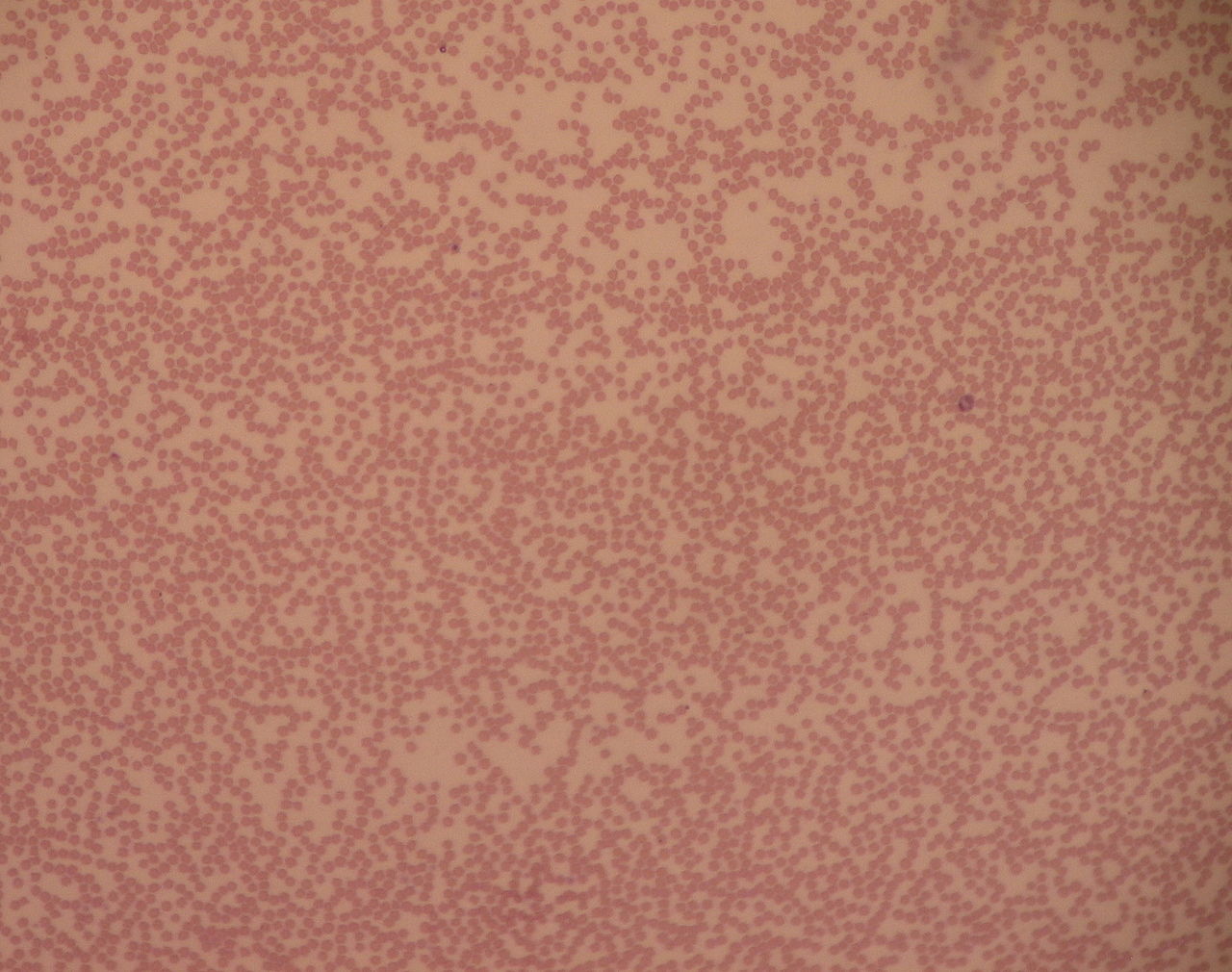
In a medical world full of mysteries, cyclic neutropenia (CyN) stands as a peculiarity that tests the limits of human biology. It is not just a disease; it is a rhythm, a cycle that repeats with almost irritating precision — every 21 days, like the ebb and flow of the tide, the patient's immune fortress collapses and rises again. In those intervals, they live on the edge of danger, relying on the marvels of science to keep breathing.
Hidden Rhythm in the Bone Marrow
At its core, cyclic neutropenia is a rare hematological disorder, a type of congenital neutropenia that alters how the bone marrow produces neutrophils — the frontline soldiers of the immune system. While we normally have stable neutrophil counts, CyN patients see these numbers drop drastically, falling to dangerous levels, in predictable cycles. This low period, known as the neutropenic phase, lasts only a few days — typically 3 to 6 — before spontaneously recovering. Yet, in that brief window, the body loses over 70% of circulating white blood cells, leaving patients vulnerable to any minor germ.
Fever, Ulcers, and Silent Threats
When neutrophils vanish, symptoms arrive like a storm. Patients begin to experience high fever, painful mouth ulcers, gum inflammation, pharyngitis, and sometimes skin infections that are slow to heal. Children with CyN often appear lethargic, lose their appetite, and if untreated, can develop serious infections such as pneumonia or sepsis. Alarmingly, these infections can appear within hours — because there are no neutrophils left to give early warning. Each cycle is a race against time.
Diagnosis: Finding Patterns in Chaos
Diagnosing CyN is not easy. Doctors need to monitor complete blood counts (CBC) two to three times a week for at least six weeks — only then can the 21-day pattern be seen. During the neutropenic phase, the absolute neutrophil count (ANC) can drop below 200 cells/µL, far from the normal 1,500 and above. Without careful monitoring, it can easily be mistaken for ordinary neutropenia or a viral infection. Genetic testing can confirm mutations in the ELANE gene, which is also linked to severe congenital neutropenia (SCN), but CyN is more manageable.
The Miracle of Filgrastim: Taming the Cycle
Unlike SCN, which often requires bone marrow transplantation, CyN responds well to treatment with granulocyte colony-stimulating factor (G-CSF), specifically filgrastim. These small injections stimulate the bone marrow to produce more neutrophils, shorten the low period, and reduce the frequency and severity of infections. With this therapy, patients can lead nearly normal lives — free from recurrent fevers and mouth ulcers. However, treatment must be lifelong, and doses need regular adjustment to avoid over-suppressing the cycle.
Living in Cycles: Patient Stories
For those living with CyN, every day is a preparation. Some plan vacations, exams, or weddings based on their cycles — avoiding the low period to reduce risk. One adult patient shared, "I know when I'm going to be sick. It's like I have my own infection calendar." Yet, with family support, consistent treatment, and awareness of early infection signs, many manage to complete their education, work, and start families. Cyclic neutropenia is not an end — it is just a rhythm that must be learned to dance to.
Hope on the Horizon: Research and Future
Scientists continue to study the molecular mechanisms behind this 21-day cycle. Is it related to the circadian clock? Or uncontrolled apoptosis signals in neutrophil precursors? With advances in gene therapy and CRISPR editing, one day we might be able to turn off the switch that causes this cycle. For now, filgrastim is the lifeline — but hope for a permanent cure continues to burn. Every successfully overcome cycle is a small victory for those fighting in silence.
Cyclic neutropenia teaches us one thing: that the human body, with all its complexity, sometimes follows rhythms we do not fully understand. Yet, with knowledge, treatment, and courage, the cycle can be tamed. And in every neutrophil drop, there is strength that rises again — exactly 21 days later.
---
Reference: Cyclic neutropenia — Wikipedia
Mysterious Disease That Strikes Every 21 Days — Neutrophils Disappear in Waves. Imagine your body losing its main defense fortress every three weeks, as regular as clockwork. That is the reality for patients with cyclic neutropenia, a rare blood disorder that causes neutrophil counts to plummet in fixed cycles. For several days, they are exposed to deadly infections — before recovering as if nothing happened. What is the secret behind this strange rhythm?. In a medical world full of mysteries, cyclic neutropenia CyN stands as a peculiarity that tests the limits of human biology. It is not just a disease; it is a rhythm, a cycle that repeats with almost irritating precision — every 21 days, like the ebb and flow of the tide, the patient's immune fortress collapses and rises again. In those intervals, they live on the edge of danger, relying on the marvels of science to keep breathing.
Hidden Rhythm in the Bone Marrow
At its core, cyclic neutropenia is a rare hematological disorder, a type of congenital neutropenia that alters how the bone marrow produces neutrophils — the frontline soldiers of the immune system. While we normally have stable neutrophil counts, CyN patients see these numbers drop drastically, falling to dangerous levels, in predictable cycles. This low period, known as the neutropenic phase, lasts only a few days — typically 3 to 6 — before spontaneously recovering. Yet, in that brief window, the body loses over 70% of circulating white blood cells, leaving patients vulnerable to any minor germ.
Fever, Ulcers, and Silent Threats
When neutrophils vanish, symptoms arrive like a storm. Patients begin to experience high fever, painful mouth ulcers, gum inflammation, pharyngitis, and sometimes skin infections that are slow to heal. Children with CyN often appear lethargic, lose their appetite, and if untreated, can develop serious infections such as pneumonia or sepsis. Alarmingly, these infections can appear within hours — because there are no neutrophils left to give early warning. Each cycle is a race against time.
Diagnosis: Finding Patterns in Chaos
Diagnosing CyN is not easy. Doctors need to monitor complete blood counts CBC two to three times a week for at least six weeks — only then can the 21-day pattern be seen. During the neutropenic phase, the absolute neutrophil count ANC can drop below 200 cells/µL, far from the normal 1,500 and above. Without careful monitoring, it can easily be mistaken for ordinary neutropenia or a viral infection. Genetic testing can confirm mutations in the ELANE gene, which is also linked to severe congenital neutropenia SCN , but CyN is more manageable.
The Miracle of Filgrastim: Taming the Cycle
Unlike SCN, which often requires bone marrow transplantation, CyN responds well to treatment with granulocyte colony-stimulating factor G-CSF , specifically filgrastim. These small injections stimulate the bone marrow to produce more neutrophils, shorten the low period, and reduce the frequency and severity of infections. With this therapy, patients can lead nearly normal lives — free from recurrent fevers and mouth ulcers. However, treatment must be lifelong, and doses need regular adjustment to avoid over-suppressing the cycle.
Living in Cycles: Patient Stories
For those living with CyN, every day is a preparation. Some plan vacations, exams, or weddings based on their cycles — avoiding the low period to reduce risk. One adult patient shared, "I know when I'm going to be sick. It's like I have my own infection calendar." Yet, with family support, consistent treatment, and awareness of early infection signs, many manage to complete their education, work, and start families. Cyclic neutropenia is not an end — it is just a rhythm that must be learned to dance to.
Hope on the Horizon: Research and Future
Scientists continue to study the molecular mechanisms behind this 21-day cycle. Is it related to the circadian clock? Or uncontrolled apoptosis signals in neutrophil precursors? With advances in gene therapy and CRISPR editing, one day we might be able to turn off the switch that causes this cycle. For now, filgrastim is the lifeline — but hope for a permanent cure continues to burn. Every successfully overcome cycle is a small victory for those fighting in silence.
Cyclic neutropenia teaches us one thing: that the human body, with all its complexity, sometimes follows rhythms we do not fully understand. Yet, with knowledge, treatment, and courage, the cycle can be tamed. And in every neutrophil drop, there is strength that rises again — exactly 21 days later.
---
Reference: Cyclic neutropenia — Wikipedia https://en.wikipedia.org/wiki/Cyclic neutropenia