The Shocking First Moments
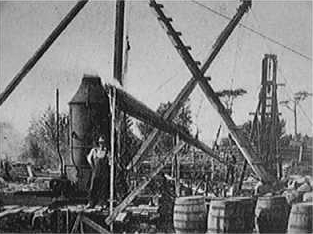
In 1795, a young man named Daniel McGinnis discovered an unusual depression on Oak Island, Nova Scotia. Beneath it, he found a 10-meter-deep hole filled with logs and signs of previous digging. McGinnis and his two friends, John Smith and Anthony Vaughan, began excavating. They did not know that this action would spark an obsession that would claim the lives of more than a dozen people over the next 200 years.
Facts That Cannot Be Denied
What makes the Oak Island mystery so intriguing is the consistent physical evidence. In 1804, The Onslow Company dug down to 27 meters and found layers of charcoal, pitch, and coconut husks—materials not native to Nova Scotia. At that depth, they discovered a stone with mysterious symbols. The stone was later lost, but a copy showed a code that supposedly meant: "Forty feet down, two million pounds buried."
In the 1850s, The Truro Company found an elaborate water system running from the shore to the hole. When the tide came in, the sea flooded the hole. This proved that the hole was designed with complex engineering—not just a regular hole.
Overlapping Theories
Over the past two centuries, various theories have been proposed:
Pirate Treasure: Captain Kidd or Blackbeard is said to have hidden treasure on the island. However, there is no direct evidence.
French Treasure: Some believe that the treasure from the French fortress at Louisbourg was brought here after its fall in 1758.
Shakespeare's Manuscript: The most bizarre theory claims that original Shakespearean manuscripts were hidden here by Francis Bacon or the Knights Templar.
Holy Grail and Ark of the Covenant: The Knights Templar are said to have brought these sacred relics to the New World before they were disbanded in 1307.
Masonic Treasure: Freemasons are believed to have built a complex network of tunnels and underground chambers to hide their treasure.
Deaths That Haunt
The famous curse states that seven people will die before the treasure is found. So far, at least six people have died during excavations:
- 1903: A worker drowned in a flooded hole.
- 1965: Robert Restall and his son died of carbon monoxide poisoning in a tunnel.
- 1970s: Several more victims due to accidents and illnesses related to excavation.
Most recently, in 2014, a team member died of a heart attack on the island. Is the curse still active?
Surprising Discoveries
In 2018, the team from The Curse of Oak Island found wood fragments dated to 1200 AD via radiocarbon dating—far earlier than European exploration of North America. This opened speculation that early European visitors or indigenous people may have left something on the island.
In 2021, they found Spanish coins from 1652 and a 17th-century sword. However, none of these discoveries led them to the real 'money pit'.
Unanswered Questions
Every new discovery raises more questions:
- Who built this complex water system? Such engineering required significant knowledge and labor.
- Why is there no historical record of its construction? Government and private archives in Canada and France have not found any references.
- Is the treasure real, or is this just a legend fueled by hope and greed?
Until today, Oak Island remains an unsolved mystery. Each excavation brings new promises, but also risks of death. Perhaps the answer lies at the bottom of the sea, or perhaps it will only be found after seven more lives are lost.
Conclusion That Does Not End
The Oak Island mystery is not just about treasure. It is a reflection of human nature that is never satisfied with mysteries—we want answers, even if those answers might be more frightening than the unknown. Let this mystery remain as an enticing question, because sometimes, what is unknown is more valuable than what is found.
---
Reference: Oak Island mystery — Wikipedia
Oak Island: 200 Years of the Treasure Mystery That Killed Its Seekers. For over two centuries, Oak Island in Nova Scotia, Canada, has been the center of an unresolved treasure mystery. Dozens of lives have been lost in the attempt to unearth the 'money pit' believed to hold valuable treasures. Although various artifacts have been found, no one has succeeded in reaching the bottom of this mystery.. The Shocking First Moments
In 1795, a young man named Daniel McGinnis discovered an unusual depression on Oak Island, Nova Scotia. Beneath it, he found a 10-meter-deep hole filled with logs and signs of previous digging. McGinnis and his two friends, John Smith and Anthony Vaughan, began excavating. They did not know that this action would spark an obsession that would claim the lives of more than a dozen people over the next 200 years.
Facts That Cannot Be Denied
What makes the Oak Island mystery so intriguing is the consistent physical evidence. In 1804, The Onslow Company dug down to 27 meters and found layers of charcoal, pitch, and coconut husks—materials not native to Nova Scotia. At that depth, they discovered a stone with mysterious symbols. The stone was later lost, but a copy showed a code that supposedly meant: "Forty feet down, two million pounds buried."
In the 1850s, The Truro Company found an elaborate water system running from the shore to the hole. When the tide came in, the sea flooded the hole. This proved that the hole was designed with complex engineering—not just a regular hole.
Overlapping Theories
Over the past two centuries, various theories have been proposed:
Pirate Treasure : Captain Kidd or Blackbeard is said to have hidden treasure on the island. However, there is no direct evidence.
French Treasure : Some believe that the treasure from the French fortress at Louisbourg was brought here after its fall in 1758.
Shakespeare's Manuscript : The most bizarre theory claims that original Shakespearean manuscripts were hidden here by Francis Bacon or the Knights Templar.
Holy Grail and Ark of the Covenant : The Knights Templar are said to have brought these sacred relics to the New World before they were disbanded in 1307.
Masonic Treasure : Freemasons are believed to have built a complex network of tunnels and underground chambers to hide their treasure.
Deaths That Haunt
The famous curse states that seven people will die before the treasure is found. So far, at least six people have died during excavations:
- 1903 : A worker drowned in a flooded hole.
- 1965 : Robert Restall and his son died of carbon monoxide poisoning in a tunnel.
- 1970s : Several more victims due to accidents and illnesses related to excavation.
Most recently, in 2014, a team member died of a heart attack on the island. Is the curse still active?
Surprising Discoveries
In 2018, the team from The Curse of Oak Island found wood fragments dated to 1200 AD via radiocarbon dating—far earlier than European exploration of North America. This opened speculation that early European visitors or indigenous people may have left something on the island.
In 2021, they found Spanish coins from 1652 and a 17th-century sword. However, none of these discoveries led them to the real 'money pit'.
Unanswered Questions
Every new discovery raises more questions:
- Who built this complex water system? Such engineering required significant knowledge and labor.
- Why is there no historical record of its construction? Government and private archives in Canada and France have not found any references.
- Is the treasure real, or is this just a legend fueled by hope and greed?
Until today, Oak Island remains an unsolved mystery. Each excavation brings new promises, but also risks of death. Perhaps the answer lies at the bottom of the sea, or perhaps it will only be found after seven more lives are lost.
Conclusion That Does Not End
The Oak Island mystery is not just about treasure. It is a reflection of human nature that is never satisfied with mysteries—we want answers, even if those answers might be more frightening than the unknown. Let this mystery remain as an enticing question, because sometimes, what is unknown is more valuable than what is found.
---
Reference: Oak Island mystery — Wikipedia https://en.wikipedia.org/wiki/Oak Island mystery