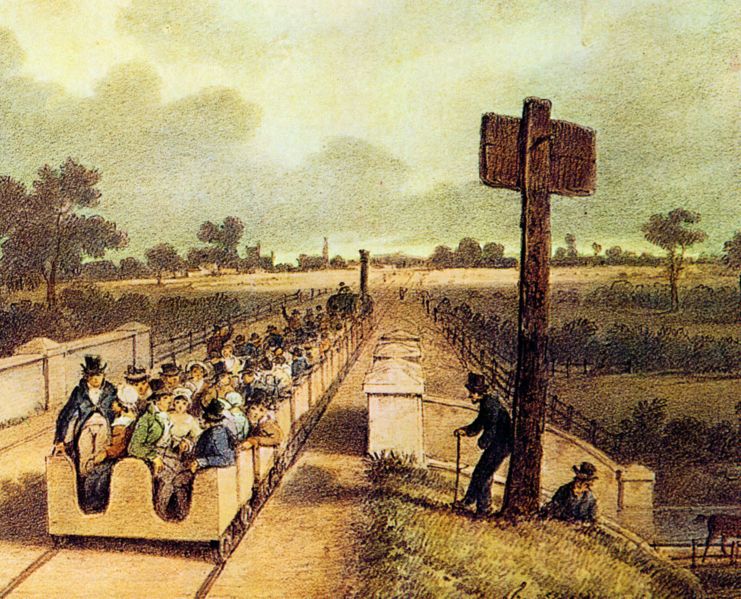
When Rails Turned Into a Trap
Imagine you are an investor in London, 1845. You hear whispers in the coffee shop about golden opportunities: railways. The government promised modernity, engineers drew maps of rail lines across villages, and railway company stocks soared like rockets. You liquidate your savings, sell your family heirlooms, and buy railway stocks. A year later, those stocks were worthless. Welcome to Railway Mania, the most spectacular bubble in British capitalist history.
Parliamentary Acts: A Money Printing Machine
In 1846, the British Parliament passed 263 acts to establish new railway companies—a staggering number. Imagine, 263 companies competing to build 9,500 miles of track, enough to cross Britain multiple times. However, the irony is that a third of these routes were never built. Why? Because most of these companies existed only on paper. They were puppets to defraud investors or victims of confused financial planning. Parliamentary acts were not a guarantee of success, but a ticket to hell for those who were greedy.
Speculation: A Sweet Poison That Drunkenly Enthralls
What made Railway Mania so crazy? The answer lies in chain speculation. Stock prices rose because people bought, and people bought because prices rose. It was like mirrors reflecting illusions of wealth. Investors didn't care about real profits—they just wanted to resell their stocks at higher prices. Banks lent money without checking, while newspapers praised the miracles of railways. Everyone was drunk, and as usual, drunkenness ended with a hangover.
Landowners: Silent Winners in Chaos
Behind the tragedy of investors, there were people smiling widely: landowners. Railways required land, and land prices soared as companies competed to buy. Nobles and wealthy farmers became millionaires overnight, selling land at crazy prices. The irony is that those who built the rails often went bankrupt, while those who simply sat on the land reaped the benefits. This is the harshest satire: active investors lost, passive speculators won.
Destruction: When the Bubble Burst, Everything Was Lost
In 1847, the bubble burst. Stock prices plummeted by 80-90% within a few months. Banks collapsed, companies went bankrupt, and thousands of investors lost everything. The streets of London were filled with desperate people screaming. Partially built railways were abandoned, old stations became monuments to human arrogance. And the most absurd part: some of the ready-to-build routes were actually profitable, but due to too many companies, competition killed them all. This was not a technological failure, but a moral failure—uncontrolled greed.
Lessons for the Modern Era
Railway Mania is not just history; it is a mirror for our era. Every time you see Bitcoin, meme stocks, or NFTs soaring, remember 1846. Market structures change, but human instincts remain the same. We still believe that this time is different, that we are smarter than those before us. We still forget that if something seems too good to be true, it usually is a scam. And we still cry when the bubble bursts, while landowners in the corner continue to smile.
Conclusion: Rails Leading to Ruin
Railway Mania is a warning that technological progress does not guarantee wealth. Railways did change the world, but they also turned investors' wallets into ashes. The irony is that we still repeat the same mistakes, just with different technologies. So, next time you hear about a railway revolution, telecommunications, or AI, ask yourself: is this a real opportunity, or just a new bubble waiting to burst? The answer may already be written in history, waiting for us to read it—if we are willing to learn.
Rujukan: Railway Mania — Wikipedia
Railway Mania: When the Dream of Railways Turned into a Mire of Ruin. The British railway bubble of the 1840s teaches us that blind speculation can devour millions of pounds in an instant. With 263 parliamentary acts passed in one year, yet a third of the routes were never built, this is the bitterest irony in stock market history. This article reveals the absurdity behind Railway Mania that made investors weep and landowners laugh.. When Rails Turned Into a Trap
Imagine you are an investor in London, 1845. You hear whispers in the coffee shop about golden opportunities: railways. The government promised modernity, engineers drew maps of rail lines across villages, and railway company stocks soared like rockets. You liquidate your savings, sell your family heirlooms, and buy railway stocks. A year later, those stocks were worthless. Welcome to Railway Mania, the most spectacular bubble in British capitalist history.
Parliamentary Acts: A Money Printing Machine
In 1846, the British Parliament passed 263 acts to establish new railway companies—a staggering number. Imagine, 263 companies competing to build 9,500 miles of track, enough to cross Britain multiple times. However, the irony is that a third of these routes were never built. Why? Because most of these companies existed only on paper. They were puppets to defraud investors or victims of confused financial planning. Parliamentary acts were not a guarantee of success, but a ticket to hell for those who were greedy.
Speculation: A Sweet Poison That Drunkenly Enthralls
What made Railway Mania so crazy? The answer lies in chain speculation. Stock prices rose because people bought, and people bought because prices rose. It was like mirrors reflecting illusions of wealth. Investors didn't care about real profits—they just wanted to resell their stocks at higher prices. Banks lent money without checking, while newspapers praised the miracles of railways. Everyone was drunk, and as usual, drunkenness ended with a hangover.
Landowners: Silent Winners in Chaos
Behind the tragedy of investors, there were people smiling widely: landowners. Railways required land, and land prices soared as companies competed to buy. Nobles and wealthy farmers became millionaires overnight, selling land at crazy prices. The irony is that those who built the rails often went bankrupt, while those who simply sat on the land reaped the benefits. This is the harshest satire: active investors lost, passive speculators won.
Destruction: When the Bubble Burst, Everything Was Lost
In 1847, the bubble burst. Stock prices plummeted by 80-90% within a few months. Banks collapsed, companies went bankrupt, and thousands of investors lost everything. The streets of London were filled with desperate people screaming. Partially built railways were abandoned, old stations became monuments to human arrogance. And the most absurd part: some of the ready-to-build routes were actually profitable, but due to too many companies, competition killed them all. This was not a technological failure, but a moral failure—uncontrolled greed.
Lessons for the Modern Era
Railway Mania is not just history; it is a mirror for our era. Every time you see Bitcoin, meme stocks, or NFTs soaring, remember 1846. Market structures change, but human instincts remain the same. We still believe that this time is different, that we are smarter than those before us. We still forget that if something seems too good to be true, it usually is a scam. And we still cry when the bubble bursts, while landowners in the corner continue to smile.
Conclusion: Rails Leading to Ruin
Railway Mania is a warning that technological progress does not guarantee wealth. Railways did change the world, but they also turned investors' wallets into ashes. The irony is that we still repeat the same mistakes, just with different technologies. So, next time you hear about a railway revolution, telecommunications, or AI, ask yourself: is this a real opportunity, or just a new bubble waiting to burst? The answer may already be written in history, waiting for us to read it—if we are willing to learn.
Rujukan: Railway Mania — Wikipedia https://en.wikipedia.org/wiki/Railway Mania