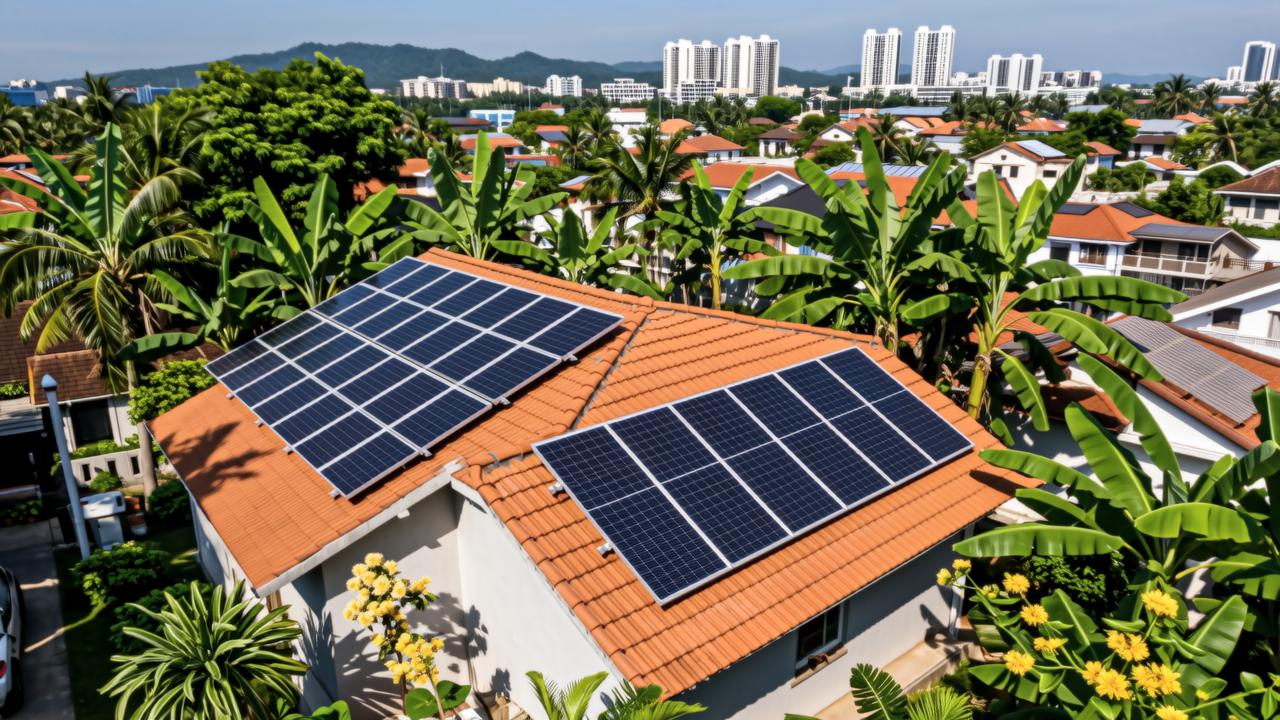
Jakarta, June 24 — The program for installing rooftop solar panels (PLTS Atap) launched by the Indonesian Ministry of Energy and Mineral Resources has achieved a historic milestone — one million households have successfully installed solar panels and now act as power producers selling excess electricity to PLN (State Electricity Company) grid.
This transformation fundamentally changes the relationship between electricity users and energy companies. Houses that were once passive electricity consumers are now active participants in the energy ecosystem — using solar power during the day, storing surplus in home batteries, and selling unused electricity to the grid. This model is known as 'prosumer' (producer + consumer) in the energy industry.
The effectiveness of this program is driven by various incentives provided by the government. Low-interest loans with repayment periods up to 10 years allow more families to install solar panel systems, which have significant initial costs. Income tax deductions for installing solar panels are also provided to homeowners, further reducing financial burdens.
A new industry for the installation and maintenance of solar panels has emerged to support this program. More than 50,000 trained technicians specializing in the installation and maintenance of PLTS systems are now working throughout Indonesia, providing new job opportunities, especially for young people in rural areas.
In island and remote areas that have long been disconnected from the national grid, solar panels have brought light to thousands of families for the first time. Standalone or hybrid solar systems with diesel generators allow these remote areas to have reliable electricity supply, opening the door to educational, medical, and economic opportunities that were previously inaccessible.
Indonesia has set a target to achieve 23 percent use of renewable energy in the national energy mix by 2025, with PLTS Atap being one of the main pillars of this strategy.
Solar Energy Revolution in Indonesia: Roofs Become Power Plants. Indonesia's household solar panel program has received an extraordinary response, with more than one million households having installed solar panels and sold excess electricity to the national grid.. Jakarta, June 24 — The program for installing rooftop solar panels PLTS Atap launched by the Indonesian Ministry of Energy and Mineral Resources has achieved a historic milestone — one million households have successfully installed solar panels and now act as power producers selling excess electricity to PLN State Electricity Company grid.
This transformation fundamentally changes the relationship between electricity users and energy companies. Houses that were once passive electricity consumers are now active participants in the energy ecosystem — using solar power during the day, storing surplus in home batteries, and selling unused electricity to the grid. This model is known as 'prosumer' producer + consumer in the energy industry.
The effectiveness of this program is driven by various incentives provided by the government. Low-interest loans with repayment periods up to 10 years allow more families to install solar panel systems, which have significant initial costs. Income tax deductions for installing solar panels are also provided to homeowners, further reducing financial burdens.
A new industry for the installation and maintenance of solar panels has emerged to support this program. More than 50,000 trained technicians specializing in the installation and maintenance of PLTS systems are now working throughout Indonesia, providing new job opportunities, especially for young people in rural areas.
In island and remote areas that have long been disconnected from the national grid, solar panels have brought light to thousands of families for the first time. Standalone or hybrid solar systems with diesel generators allow these remote areas to have reliable electricity supply, opening the door to educational, medical, and economic opportunities that were previously inaccessible.
Indonesia has set a target to achieve 23 percent use of renewable energy in the national energy mix by 2025, with PLTS Atap being one of the main pillars of this strategy.