First Surprise: A 2,700-Year-Old Bread Roll Still Intact
When you imagine a bread roll, you might think of a fresh item from your favorite bakery. However, imagine a bread roll that has existed for 2,700 years, found in almost perfect condition in a clay pit in Ovelgönne, Germany. This discovery not only shocked the archaeological world but also questioned all our assumptions about food storage and preservation techniques in prehistoric times.
Discovery in the Clay Pit
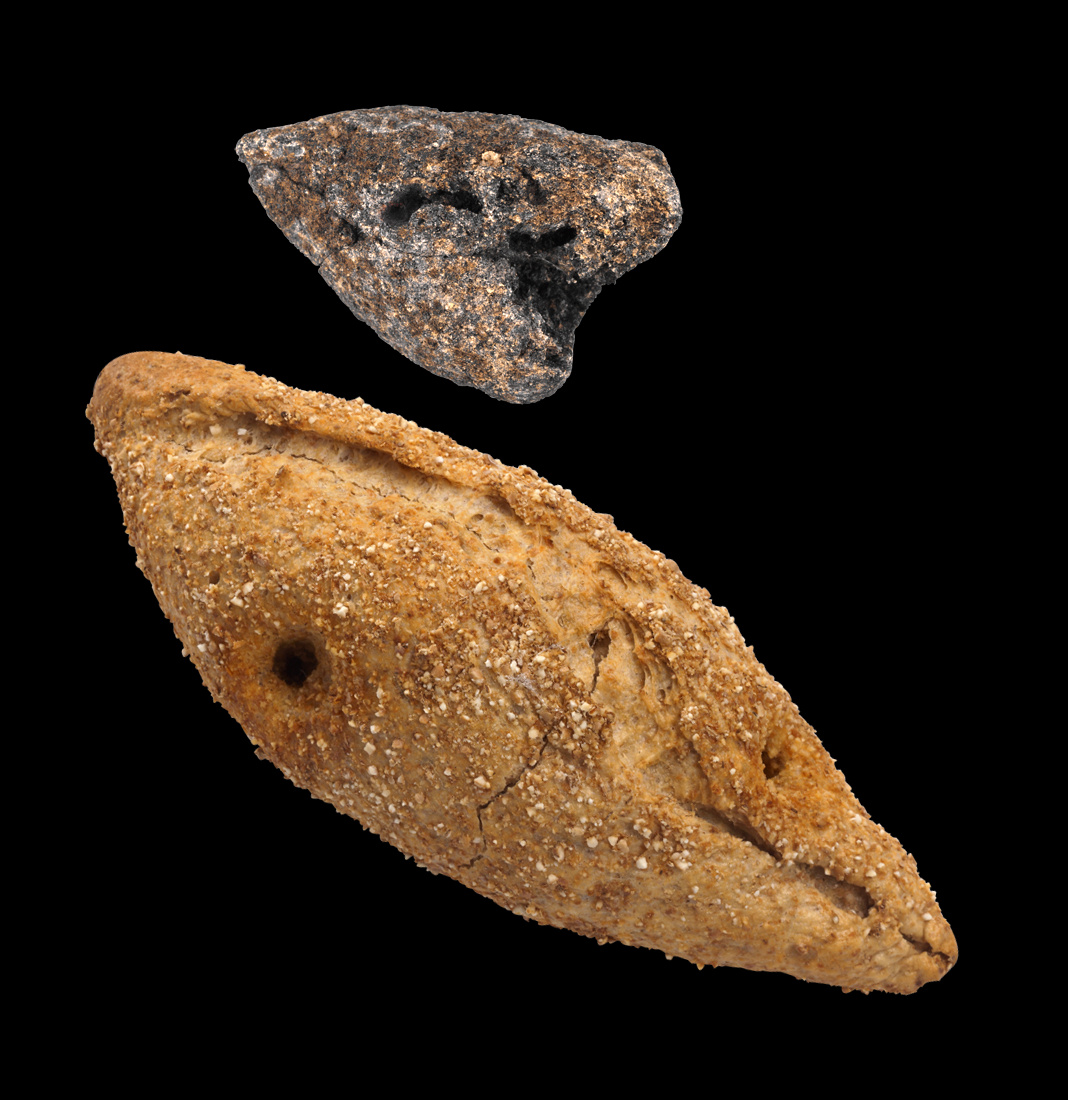
In 1952, a group of archaeologists were conducting routine excavations in a clay pit in the Buxtehude area of Lower Saxony. They did not expect to find something extraordinary: a piece of bread still in the shape of a roll, with an almost intact surface. This bread is known as the 'Ovelgönne bread roll' and quickly became the main focus of research. Carbon analysis showed that this bread originated from the Early Iron Age in Northern Europe, making it the oldest bakery product ever found on the continent.
Baking Technology: More Advanced Than Expected
The Ovelgönne bread is not just ordinary bread. It is made from a coarsely ground grain mixture, indicating that Iron Age societies had mastered complex grinding and baking techniques. Its tightly rolled shape suggests the use of specific tools or techniques, possibly using hot stones or earth ovens. This discovery proves that baking skills at that time were far more advanced than we ever imagined. They were not only able to produce long-lasting bread but also had an aesthetic sense in food shaping.
The Mystery of Preservation: How Did This Bread Survive?
One of the most surprising aspects of the Ovelgönne bread is its near-perfect condition. Normally, bread would rot within a few weeks, let alone after thousands of years. However, this bread was found in an air-tight clay layer, creating an anaerobic environment that prevented bacterial and mold growth. This suggests that ancient people may have used special storage techniques, such as burying bread in clay or dry places, to ensure their food supplies lasted longer. If understood, this technique could revolutionize the way we store food today.
Reconstruction and Exhibition at the Hamburg Archaeology Museum
Now, the Ovelgönne bread along with its reconstruction is displayed at the Hamburg Archaeology Museum in Harburg, Germany. Visitors can see this wonder for themselves and compare it with modern bread. The reconstruction was made based on scientific analysis, helping us understand the original appearance of the bread. This exhibition not only attracts historians but also inspires awe among the general public towards the wisdom of our ancestors.
Implications for Food History
This discovery changes our view of food history in Europe. Previously, it was believed that shaped bread only appeared after the Roman era. However, Ovelgönne proves that the tradition of baking existed much earlier. It also shows that Iron Age societies had stable trade and agricultural systems, allowing them to produce complex foods. This opens new research opportunities about the diet, technology, and culture of ancient societies.
Conclusion: A Bread That Tells a Story
The Ovelgönne bread roll is not just an artifact; it is a window into the past. From the surprising discovery in the clay pit to its exhibition in the museum, this bread continues to amaze and educate us. It reminds us that ancient technology is often more advanced than we think, and that every archaeological discovery has the potential to rewrite history. Who would have thought that a loaf of bread could hold secrets for thousands of years?
Reference: Ovelgönne bread roll — Wikipedia
Iron Age Bread Roll: The Surprising Ovelgönne That Shocked the Archaeological World. A bread roll found in Germany in 1952 has proven to be the oldest bakery product in Europe. This bread, from the Early Iron Age, was perfectly preserved, raising big questions about ancient food storage technology. This discovery is now on display at the Hamburg Archaeology Museum, captivating history scholars.. First Surprise: A 2,700-Year-Old Bread Roll Still Intact
When you imagine a bread roll, you might think of a fresh item from your favorite bakery. However, imagine a bread roll that has existed for 2,700 years, found in almost perfect condition in a clay pit in Ovelgönne, Germany. This discovery not only shocked the archaeological world but also questioned all our assumptions about food storage and preservation techniques in prehistoric times.
Discovery in the Clay Pit
In 1952, a group of archaeologists were conducting routine excavations in a clay pit in the Buxtehude area of Lower Saxony. They did not expect to find something extraordinary: a piece of bread still in the shape of a roll, with an almost intact surface. This bread is known as the 'Ovelgönne bread roll' and quickly became the main focus of research. Carbon analysis showed that this bread originated from the Early Iron Age in Northern Europe, making it the oldest bakery product ever found on the continent.
Baking Technology: More Advanced Than Expected
The Ovelgönne bread is not just ordinary bread. It is made from a coarsely ground grain mixture, indicating that Iron Age societies had mastered complex grinding and baking techniques. Its tightly rolled shape suggests the use of specific tools or techniques, possibly using hot stones or earth ovens. This discovery proves that baking skills at that time were far more advanced than we ever imagined. They were not only able to produce long-lasting bread but also had an aesthetic sense in food shaping.
The Mystery of Preservation: How Did This Bread Survive?
One of the most surprising aspects of the Ovelgönne bread is its near-perfect condition. Normally, bread would rot within a few weeks, let alone after thousands of years. However, this bread was found in an air-tight clay layer, creating an anaerobic environment that prevented bacterial and mold growth. This suggests that ancient people may have used special storage techniques, such as burying bread in clay or dry places, to ensure their food supplies lasted longer. If understood, this technique could revolutionize the way we store food today.
Reconstruction and Exhibition at the Hamburg Archaeology Museum
Now, the Ovelgönne bread along with its reconstruction is displayed at the Hamburg Archaeology Museum in Harburg, Germany. Visitors can see this wonder for themselves and compare it with modern bread. The reconstruction was made based on scientific analysis, helping us understand the original appearance of the bread. This exhibition not only attracts historians but also inspires awe among the general public towards the wisdom of our ancestors.
Implications for Food History
This discovery changes our view of food history in Europe. Previously, it was believed that shaped bread only appeared after the Roman era. However, Ovelgönne proves that the tradition of baking existed much earlier. It also shows that Iron Age societies had stable trade and agricultural systems, allowing them to produce complex foods. This opens new research opportunities about the diet, technology, and culture of ancient societies.
Conclusion: A Bread That Tells a Story
The Ovelgönne bread roll is not just an artifact; it is a window into the past. From the surprising discovery in the clay pit to its exhibition in the museum, this bread continues to amaze and educate us. It reminds us that ancient technology is often more advanced than we think, and that every archaeological discovery has the potential to rewrite history. Who would have thought that a loaf of bread could hold secrets for thousands of years?
Reference: Ovelgönne bread roll — Wikipedia https://en.wikipedia.org/wiki/Ovelg%C3%B6nne bread roll