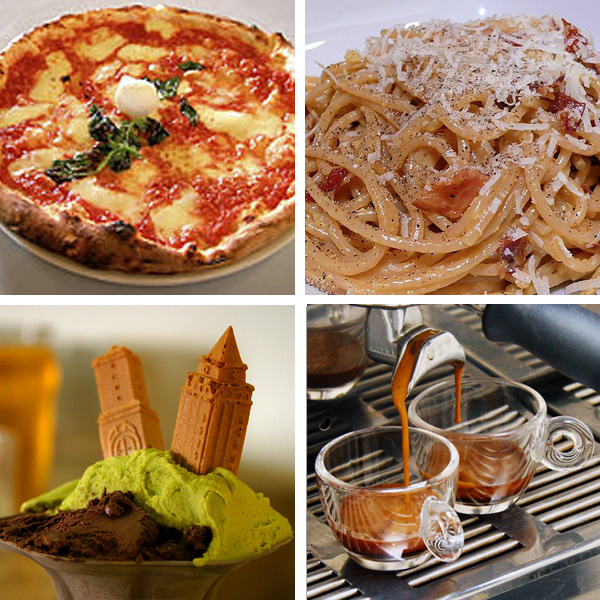
From Roman Kitchens to the World Table: The Evolution of Italian Cuisine
When we mention "Italian cuisine," our minds might immediately drift to a fragrant bowl of spaghetti aglio e olio or a warm slice of Margherita pizza. Yet, behind these seemingly simple dishes lies a long and complex history, evolving since the glory days of Ancient Rome. At that time, Italian kitchens were already rich with grains, olive oil, and wine – the three main pillars of the Mediterranean diet. However, the most drastic change occurred after the colonization of the Americas. Imagine a world without tomatoes in pasta sauce, without potatoes in gnocchi, or without corn in polenta. Before the 16th century, none of these existed in Italy. The arrival of tomatoes, bell peppers, corn, and potatoes truly revolutionized Italian kitchens, creating the flavor profiles we know today. Even the introduction of beet sugar in the 18th century changed how Italian desserts were made. This evolution proves that Italian cuisine is not static, but rather a living entity that continuously absorbs and adapts.
Simplicity as a Philosophy: The Humble Dish That Became an Icon
One of the most distinguishing features of Italian cuisine is its simplicity. Unlike French cuisine, which often uses complex sauces and intricate techniques, Italian cuisine tends to let high-quality ingredients shine on their own. Take a classic dish like
cacio e pepe – just pecorino cheese, black pepper, and pasta. Or
bruschetta – toasted bread rubbed with garlic, drizzled with olive oil, and topped with fresh tomatoes and basil. Nothing excessive. Each ingredient has a clear role, creating an elegant harmony. This philosophy not only makes Italian cuisine accessible for home cooking, but also teaches us a deeper understanding of life: that true happiness often lies in simple and genuine things. Have we ever wondered why the simplest dishes are often the most memorable? Perhaps because they hide nothing, instead revealing the true essence of flavor.
Regional Diversity: A Map of Different Flavors in Every Area
Another marvel of Italian cuisine is its regional diversity. What is eaten in Milan is not necessarily the same as what is eaten in Palermo. In the north, the influence of continental Europe is more evident, with the use of butter, cream, and richer cheeses. Polenta and risotto are queens in Lombardy and Piedmont. In contrast, southern Italy – such as Campania, Calabria, and Sicily – relies more on olive oil, tomatoes, and fresh vegetables. Dried pasta, which is durable and easy to store, becomes a staple. In central Italy, especially Tuscany, we find a cuisine known as
cucina povera or "poor people's cooking," which uses cheap ingredients like stale bread and legumes to create extraordinarily delicious dishes, such as
ribollita and
panzanella. These differences are not just about taste but also reflect the history, geography, and economy of each region. This is what makes every trip to Italy also a unique culinary journey – you will never stop learning about new flavors.
Global Influence: From Philadelphia to Asmara
Italian cuisine is not only popular, but it has also left a deep mark around the world. In the United States, the large Italian immigration in the 19th and 20th centuries gave birth to what we know as Italian-American cuisine. Dishes like spaghetti and meatballs, fettuccine Alfredo, and pepperoni pizza may not exist in Italy in the same form, but they are evidence of how food culture adapts and evolves in new lands. More interestingly, Italian influence is also felt in East Africa, particularly in Eritrea and parts of Ethiopia. During Italian colonization, many locals learned to cook pasta and prepare sauces. As a result, we can see dishes like
pasta al sugo eaten with injera bread – a unique fusion of Italian and African traditions. This phenomenon shows that food is not just about filling the stomach; it is a powerful medium of cultural exchange, crossing borders and generations.
Intangible Cultural Heritage: UNESCO Recognition 2025
In 2025, UNESCO officially recognized Italian cuisine as an Intangible Cultural Heritage of Humanity. This recognition is not surprising, given the depth of tradition, technique, and philosophy contained within it. It reinforces the view that Italian cuisine is more than just food; it is a cultural practice encompassing a way of life, social interaction, and the preservation of traditional knowledge. Imagine a nonna (grandmother) in a small village in Sicily teaching her granddaughter how to make fresh pasta by hand – that is living heritage. Or a family in Rome gathering every Sunday to enjoy
abbacchio alla scottadito (grilled lamb) – that is a ritual that binds family ties. This recognition also reminds us all of the importance of appreciating and preserving our own culinary heritage, no matter where we come from.
Reflection: What Can We Learn from the Italian Kitchen?
When we examine Italian cuisine, we are actually learning about life itself. Its simplicity teaches us not to complicate things. Its emphasis on fresh, seasonal ingredients reminds us of the importance of respecting nature. And the tradition of cooking together with family and friends highlights the value of community and togetherness. In a fast-paced and often alienating world, Italian cuisine offers a comforting escape – a call to slow down, appreciate the small moments, and enjoy authentic flavors. So, the next time you bite into a slice of pizza or twirl some spaghetti, think about the long journey that dish has taken. More than just food, it is a story – and that story belongs to all of us.
---
Reference: Italian cuisine — Wikipedia
Symphony of Flavors: Unveiling the Uniqueness and Heritage of Italian Cuisine from Rome to the Dining Table. Italian cuisine, recognized as an intangible cultural heritage by UNESCO in 2025, is more than just pasta and pizza. This article explores its evolution since Roman times, the influence of globalization and immigration, and the philosophy of simplicity that is the heart of every dish. From regional diversity to its impact in the United States and East Africa, we delve into how simple ingredients can create a timeless legacy of flavor.. From Roman Kitchens to the World Table: The Evolution of Italian Cuisine
When we mention "Italian cuisine," our minds might immediately drift to a fragrant bowl of spaghetti aglio e olio or a warm slice of Margherita pizza. Yet, behind these seemingly simple dishes lies a long and complex history, evolving since the glory days of Ancient Rome. At that time, Italian kitchens were already rich with grains, olive oil, and wine – the three main pillars of the Mediterranean diet. However, the most drastic change occurred after the colonization of the Americas. Imagine a world without tomatoes in pasta sauce, without potatoes in gnocchi, or without corn in polenta. Before the 16th century, none of these existed in Italy. The arrival of tomatoes, bell peppers, corn, and potatoes truly revolutionized Italian kitchens, creating the flavor profiles we know today. Even the introduction of beet sugar in the 18th century changed how Italian desserts were made. This evolution proves that Italian cuisine is not static, but rather a living entity that continuously absorbs and adapts.
Simplicity as a Philosophy: The Humble Dish That Became an Icon
One of the most distinguishing features of Italian cuisine is its simplicity. Unlike French cuisine, which often uses complex sauces and intricate techniques, Italian cuisine tends to let high-quality ingredients shine on their own. Take a classic dish like cacio e pepe – just pecorino cheese, black pepper, and pasta. Or bruschetta – toasted bread rubbed with garlic, drizzled with olive oil, and topped with fresh tomatoes and basil. Nothing excessive. Each ingredient has a clear role, creating an elegant harmony. This philosophy not only makes Italian cuisine accessible for home cooking, but also teaches us a deeper understanding of life: that true happiness often lies in simple and genuine things. Have we ever wondered why the simplest dishes are often the most memorable? Perhaps because they hide nothing, instead revealing the true essence of flavor.
Regional Diversity: A Map of Different Flavors in Every Area
Another marvel of Italian cuisine is its regional diversity. What is eaten in Milan is not necessarily the same as what is eaten in Palermo. In the north, the influence of continental Europe is more evident, with the use of butter, cream, and richer cheeses. Polenta and risotto are queens in Lombardy and Piedmont. In contrast, southern Italy – such as Campania, Calabria, and Sicily – relies more on olive oil, tomatoes, and fresh vegetables. Dried pasta, which is durable and easy to store, becomes a staple. In central Italy, especially Tuscany, we find a cuisine known as cucina povera or "poor people's cooking," which uses cheap ingredients like stale bread and legumes to create extraordinarily delicious dishes, such as ribollita and panzanella . These differences are not just about taste but also reflect the history, geography, and economy of each region. This is what makes every trip to Italy also a unique culinary journey – you will never stop learning about new flavors.
Global Influence: From Philadelphia to Asmara
Italian cuisine is not only popular, but it has also left a deep mark around the world. In the United States, the large Italian immigration in the 19th and 20th centuries gave birth to what we know as Italian-American cuisine. Dishes like spaghetti and meatballs, fettuccine Alfredo, and pepperoni pizza may not exist in Italy in the same form, but they are evidence of how food culture adapts and evolves in new lands. More interestingly, Italian influence is also felt in East Africa, particularly in Eritrea and parts of Ethiopia. During Italian colonization, many locals learned to cook pasta and prepare sauces. As a result, we can see dishes like pasta al sugo eaten with injera bread – a unique fusion of Italian and African traditions. This phenomenon shows that food is not just about filling the stomach; it is a powerful medium of cultural exchange, crossing borders and generations.
Intangible Cultural Heritage: UNESCO Recognition 2025
In 2025, UNESCO officially recognized Italian cuisine as an Intangible Cultural Heritage of Humanity. This recognition is not surprising, given the depth of tradition, technique, and philosophy contained within it. It reinforces the view that Italian cuisine is more than just food; it is a cultural practice encompassing a way of life, social interaction, and the preservation of traditional knowledge. Imagine a nonna grandmother in a small village in Sicily teaching her granddaughter how to make fresh pasta by hand – that is living heritage. Or a family in Rome gathering every Sunday to enjoy abbacchio alla scottadito grilled lamb – that is a ritual that binds family ties. This recognition also reminds us all of the importance of appreciating and preserving our own culinary heritage, no matter where we come from.
Reflection: What Can We Learn from the Italian Kitchen?
When we examine Italian cuisine, we are actually learning about life itself. Its simplicity teaches us not to complicate things. Its emphasis on fresh, seasonal ingredients reminds us of the importance of respecting nature. And the tradition of cooking together with family and friends highlights the value of community and togetherness. In a fast-paced and often alienating world, Italian cuisine offers a comforting escape – a call to slow down, appreciate the small moments, and enjoy authentic flavors. So, the next time you bite into a slice of pizza or twirl some spaghetti, think about the long journey that dish has taken. More than just food, it is a story – and that story belongs to all of us.
---
Reference: Italian cuisine — Wikipedia https://en.wikipedia.org/wiki/Italian cuisine