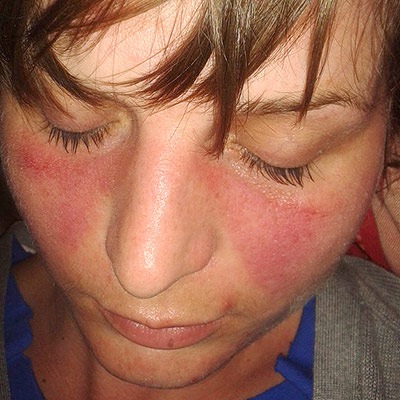
What Is Autoimmune Disease? Not a Small Mistake, But a Strategic Failure of the Immune System
Autoimmune disease is not merely an 'overactive immune system'—it is a profound failure in the fundamental principle of immunology:
self-tolerance. Under normal conditions, T and B cells (key components of the adaptive immune system) undergo rigorous maturation processes in the thymus and bone marrow to distinguish between 'self' and 'non-self'. When this process fails, immune cells begin producing autoantibodies or activating cellular responses against the body's own proteins, enzymes, or cellular structures. For example, in type 1 diabetes mellitus, cytotoxic T cells destroy insulin-producing pancreatic beta cells; in systemic lupus erythematosus (SLE), autoantibodies attack nuclear DNA and nucleoprotein complexes, causing widespread inflammation in the kidneys, skin, and joints. According to the
American Autoimmune Related Diseases Association (AARDA), over 80 diseases are officially recognized as autoimmune, and recent genomic studies—such as
Genome-Wide Association Studies (GWAS)—indicate that many clinical conditions previously classified as 'idiopathic' are now being re-evaluated as latent autoimmune forms.
Autoimmune vs. Autoinflammatory: Two Immune Worlds Often Misunderstood
Although often confused, autoimmune and autoinflammatory diseases are fundamentally different pathophysiological entities. Autoimmune diseases involve the
adaptive immune system: they require specific antigen recognition, formation of immune memory, and the presence of autoantibodies or autoreactive T cells. In contrast, autoinflammatory diseases—such as familial periodic fever syndromes or TRAPS syndrome—stem from genetic mutations in
innate immune signalling pathways, particularly in NLRP3 or TNFRSF1A proteins, causing excessive activation of interleukin-1β without external antigen stimulation. A creative comparison: if the adaptive immune system is like a special forces team operating on intelligence and precise enemy identification, then the innate immune system is like an automatic gatekeeper system—quick to act, but lacking memory or identification accuracy. Failure of the 'gatekeeper' results in spontaneous inflammatory bursts; failure of the 'special forces' leads to targeted attacks on one's own allies.
Deceptive Symptoms: Why Diagnosis Often Takes Years
Symptoms of autoimmune disease are heterogeneous and non-specific—chronic fatigue, joint pain, skin rashes, digestive disturbances, or blurred vision—often mistaken for stress, iron deficiency, or 'common age-related issues'. A study by the
European League Against Rheumatism (EULAR) found that the average time from symptom onset to definitive diagnosis for SLE is 5.7 years; for multiple sclerosis, that period reaches 6.2 years. This is compounded by the lack of a single test that can confirm all autoimmune diseases. Tests such as ANA (antinuclear antibody) have high sensitivity but low specificity—positive in 95% of SLE patients, but also positive in 10–15% of healthy individuals over 65. Therefore, diagnosis relies on a combination of clinical criteria (such as the SLICC criteria for SLE), serological tests, imaging, and tissue biopsy—a holistic process requiring specialists in rheumatology, endocrinology, or neurology.
Daily Impact: Beyond Medical Treatment, What Is Not Said?
Treatment of autoimmune disease is not just about immunosuppressive drugs. It involves comprehensive long-term management: monitoring organ function (e.g., thyroid function tests or serum creatinine), evidence-based dietary adjustments—such as gluten reduction in celiac disease or saturated fat reduction in rheumatoid arthritis—and psychosocial support. A longitudinal study in the
Journal of Autoimmunity (2023) showed that patients with autoimmune disease have twice the risk of developing clinical mood disorders, not only due to physical symptoms but also due to direct neuroinflammation affecting neurotransmitters. In Malaysia, access to specialists and specialized immunological tests remains limited outside major referral centers such as Hospital Kuala Lumpur or Hospital Universiti Sains Malaysia, making early awareness and community education more critical than ever.
Reflection Questions for Readers: What Can You Do Today?
If you or a loved one experience recurring symptoms that 'don't make sense'—such as fatigue that doesn't improve even after adequate sleep, rashes appearing after sun exposure, or swollen joints without a traumatic cause—do not dismiss them as 'normal'. Record symptom patterns: when they appear, how long they last, triggering factors (stress? infection? weather changes?), and their progression over time. This is not just a daily journal—it is a highly valuable clinical document for doctors. Additionally, consider baseline tests: thyroid function tests (TSH, fT4, anti-TPO), autoantibody profiles (ANA, RF, anti-CCP), and vitamin D—because vitamin D deficiency is associated with increased risk and severity of several autoimmune diseases. Finally, remember: autoimmune disease is not a punishment, not a weakness, and not the result of a 'wrong' lifestyle. It is the result of a complex interaction between genetics (such as HLA-DR4 alleles in rheumatoid arthritis), environment (Epstein-Barr virus linked to SLE and MS), and gut microbiome disruption—a scientific challenge being unraveled day by day.
Future of Diagnostics and Therapeutics: From Immunosuppression to Immune Tolerance
Recent innovations are no longer just about suppressing the immune system, but restoring its balance. Regulatory T cell (Treg) therapy, specific peptide vaccines, and microbiome modulators such as the probiotic bacterium
Bacteroides fragilis are being tested in phase II clinical trials. In Malaysia, collaboration between the Institute for Medical Research (IMR) and local universities has initiated genomic studies of the local population to identify unique autoimmune genetic biomarkers in Malay, Chinese, and Indian ethnic groups. This is important: because genetic profiles differ, responses to drugs such as rituximab or abatacept also vary between populations. Understanding autoimmune disease is not just medical science—it is a reflection of the depth of the relationship between genes, environment, and our biological identity. And in understanding the 'enemy within', we are actually learning how the human body fights—with subtlety, wisdom, and sometimes, confusion that touches the soul.
---
Reference: Autoimmune disease — Wikipedia
The Immune System That Turns Against Itself: Understanding Autoimmune Disease in Depth. Autoimmune disease occurs when the body's adaptive immune system mistakenly attacks healthy tissues and organs as if they were foreign threats. Over 80 conditions are clinically recognized, with current evidence suggesting more than 100 types. Although symptoms vary—from extreme fatigue to organ damage—the core mechanism is a failure of immune tolerance to self-antigens. The critical difference between autoimmune and autoinflammatory diseases lies in the immune system involved: adaptive versus innate.. What Is Autoimmune Disease? Not a Small Mistake, But a Strategic Failure of the Immune System
Autoimmune disease is not merely an 'overactive immune system'—it is a profound failure in the fundamental principle of immunology: self-tolerance . Under normal conditions, T and B cells key components of the adaptive immune system undergo rigorous maturation processes in the thymus and bone marrow to distinguish between 'self' and 'non-self'. When this process fails, immune cells begin producing autoantibodies or activating cellular responses against the body's own proteins, enzymes, or cellular structures. For example, in type 1 diabetes mellitus, cytotoxic T cells destroy insulin-producing pancreatic beta cells; in systemic lupus erythematosus SLE , autoantibodies attack nuclear DNA and nucleoprotein complexes, causing widespread inflammation in the kidneys, skin, and joints. According to the American Autoimmune Related Diseases Association AARDA , over 80 diseases are officially recognized as autoimmune, and recent genomic studies—such as Genome-Wide Association Studies GWAS —indicate that many clinical conditions previously classified as 'idiopathic' are now being re-evaluated as latent autoimmune forms.
Autoimmune vs. Autoinflammatory: Two Immune Worlds Often Misunderstood
Although often confused, autoimmune and autoinflammatory diseases are fundamentally different pathophysiological entities. Autoimmune diseases involve the adaptive immune system : they require specific antigen recognition, formation of immune memory, and the presence of autoantibodies or autoreactive T cells. In contrast, autoinflammatory diseases—such as familial periodic fever syndromes or TRAPS syndrome—stem from genetic mutations in innate immune signalling pathways, particularly in NLRP3 or TNFRSF1A proteins, causing excessive activation of interleukin-1β without external antigen stimulation. A creative comparison: if the adaptive immune system is like a special forces team operating on intelligence and precise enemy identification, then the innate immune system is like an automatic gatekeeper system—quick to act, but lacking memory or identification accuracy. Failure of the 'gatekeeper' results in spontaneous inflammatory bursts; failure of the 'special forces' leads to targeted attacks on one's own allies.
Deceptive Symptoms: Why Diagnosis Often Takes Years
Symptoms of autoimmune disease are heterogeneous and non-specific—chronic fatigue, joint pain, skin rashes, digestive disturbances, or blurred vision—often mistaken for stress, iron deficiency, or 'common age-related issues'. A study by the European League Against Rheumatism EULAR found that the average time from symptom onset to definitive diagnosis for SLE is 5.7 years; for multiple sclerosis, that period reaches 6.2 years. This is compounded by the lack of a single test that can confirm all autoimmune diseases. Tests such as ANA antinuclear antibody have high sensitivity but low specificity—positive in 95% of SLE patients, but also positive in 10–15% of healthy individuals over 65. Therefore, diagnosis relies on a combination of clinical criteria such as the SLICC criteria for SLE , serological tests, imaging, and tissue biopsy—a holistic process requiring specialists in rheumatology, endocrinology, or neurology.
Daily Impact: Beyond Medical Treatment, What Is Not Said?
Treatment of autoimmune disease is not just about immunosuppressive drugs. It involves comprehensive long-term management: monitoring organ function e.g., thyroid function tests or serum creatinine , evidence-based dietary adjustments—such as gluten reduction in celiac disease or saturated fat reduction in rheumatoid arthritis—and psychosocial support. A longitudinal study in the Journal of Autoimmunity 2023 showed that patients with autoimmune disease have twice the risk of developing clinical mood disorders, not only due to physical symptoms but also due to direct neuroinflammation affecting neurotransmitters. In Malaysia, access to specialists and specialized immunological tests remains limited outside major referral centers such as Hospital Kuala Lumpur or Hospital Universiti Sains Malaysia, making early awareness and community education more critical than ever.
Reflection Questions for Readers: What Can You Do Today?
If you or a loved one experience recurring symptoms that 'don't make sense'—such as fatigue that doesn't improve even after adequate sleep, rashes appearing after sun exposure, or swollen joints without a traumatic cause—do not dismiss them as 'normal'. Record symptom patterns: when they appear, how long they last, triggering factors stress? infection? weather changes? , and their progression over time. This is not just a daily journal—it is a highly valuable clinical document for doctors. Additionally, consider baseline tests: thyroid function tests TSH, fT4, anti-TPO , autoantibody profiles ANA, RF, anti-CCP , and vitamin D—because vitamin D deficiency is associated with increased risk and severity of several autoimmune diseases. Finally, remember: autoimmune disease is not a punishment, not a weakness, and not the result of a 'wrong' lifestyle. It is the result of a complex interaction between genetics such as HLA-DR4 alleles in rheumatoid arthritis , environment Epstein-Barr virus linked to SLE and MS , and gut microbiome disruption—a scientific challenge being unraveled day by day.
Future of Diagnostics and Therapeutics: From Immunosuppression to Immune Tolerance
Recent innovations are no longer just about suppressing the immune system, but restoring its balance. Regulatory T cell Treg therapy, specific peptide vaccines, and microbiome modulators such as the probiotic bacterium Bacteroides fragilis are being tested in phase II clinical trials. In Malaysia, collaboration between the Institute for Medical Research IMR and local universities has initiated genomic studies of the local population to identify unique autoimmune genetic biomarkers in Malay, Chinese, and Indian ethnic groups. This is important: because genetic profiles differ, responses to drugs such as rituximab or abatacept also vary between populations. Understanding autoimmune disease is not just medical science—it is a reflection of the depth of the relationship between genes, environment, and our biological identity. And in understanding the 'enemy within', we are actually learning how the human body fights—with subtlety, wisdom, and sometimes, confusion that touches the soul.
---
Reference: Autoimmune disease — Wikipedia https://en.wikipedia.org/wiki/Autoimmune disease