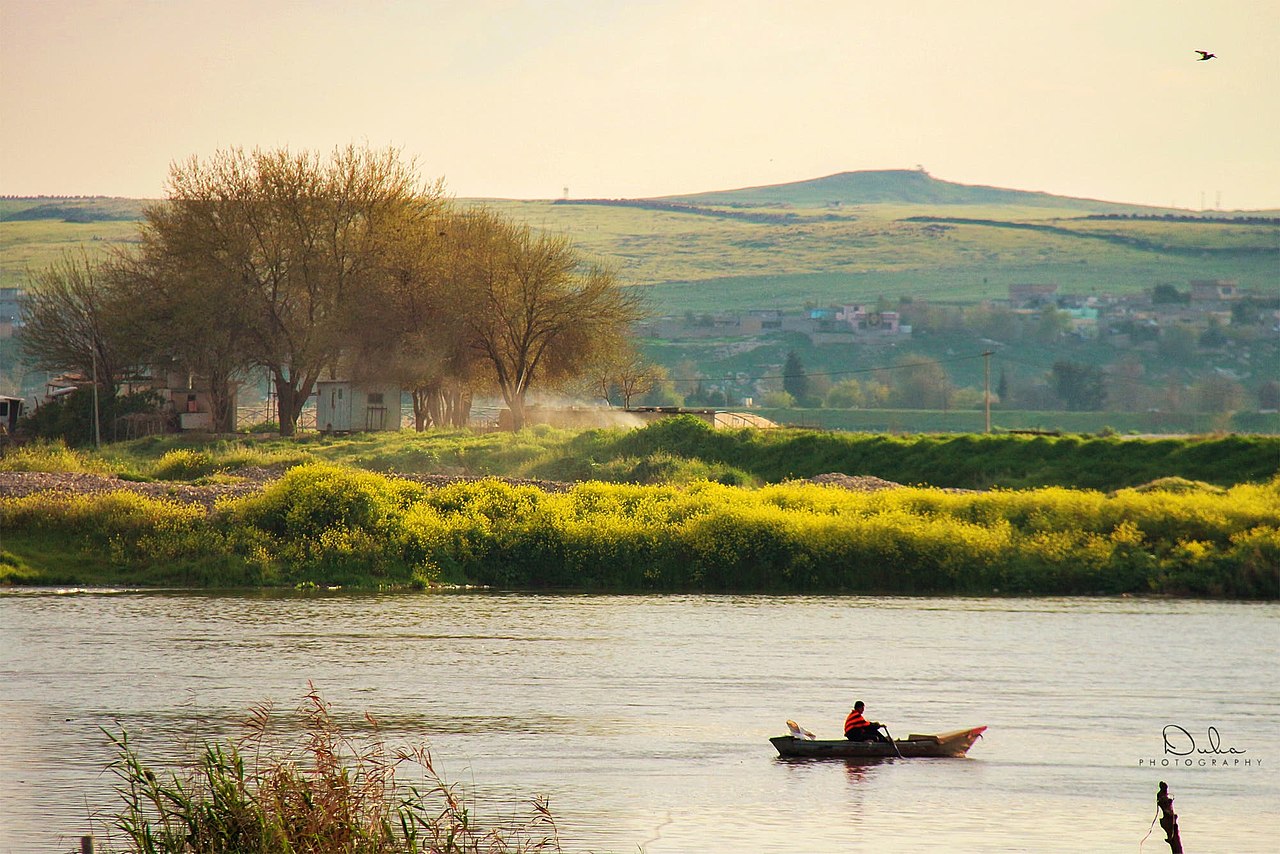
1. Sungai yang Menulis Sejarah Dunia — Sebelum Mesir & Yunani Ada
Tigris bukan sekadar aliran air. Ia adalah pena pertama dalam sejarah manusia. Di tepinya, di kota Uruk (kini wilayah selatan Iraq), sekitar 3400 SM, orang Sumeria mencipta cuneiform — sistem tulisan tertua yang diketahui, diukir pada tanah liat lembap dengan alat berbentuk baji. Tidak ada hieroglif Mesir, tidak ada aksara Cina, tidak ada abjad Fenisia — semua datang
setelah Tigris menyaksikan kelahiran tulisan. Di sini juga lahir Kodifikasi Ur-Nammu (1900 SM), undang-undang bertulis tertua di dunia — 300 tahun lebih awal daripada Kodifikasi Hammurabi yang terkenal. Fakta mengejutkan: lebih daripada 120,000 tablet tanah liat dari zaman Sumeria hingga Assyria telah ditemui di sepanjang lembah Tigris — dan kurang daripada 15% daripadanya telah diterjemahkan sepenuhnya hingga hari ini.
2. Empayar yang Dibina di Atas Air — Dan Musnah Kerana Air Itu Sendiri
Empayar Assyria, yang pusat kuasanya berada di Nineveh (kini Mosul), bukan hanya penakluk ganas — ia juga insinyur hidrolik paling maju di dunia abad ke-7 SM. Mereka membina saluran air bawah tanah sepanjang 50 km dari gunung Zagros untuk mengairi taman istana, sistem penapisan air menggunakan pasir dan batu kapur, serta sistem pengukuran banjir dengan tiang ukur bertulis. Namun, kejatuhan Nineveh pada 612 SM bukan disebabkan pedang musuh, tetapi banjir besar Tigris yang melimpah — menghanyutkan tembok kota dan melemahkan fondasi istana. Sejarah berulang: pada tahun 2023, banjir Tigris di Baghdad merosakkan 14 tapak arkeologi penting, termasuk bekas pelabuhan kuno Al-Qadisiyyah, yang sebelumnya tersembunyi di bawah tanah selama 1,200 tahun.
3. Komuniti Terakhir di Dunia yang Masih Membaptis di Sungai Purba — Setiap Hari Sejak Zaman Kristus
Mandaeans — komuniti monoteis kuno yang percaya bahawa Yohanes Pembaptis adalah nabi utama mereka — adalah satu-satunya kelompok di dunia yang masih menjalankan baptisan
masih di Tigris, bukan di gereja atau kolam buatan. Ritual ‘Masbuta’ dilakukan tiga kali seminggu di tempat-tempat suci seperti Qal’at Saleh (di timur laut Iraq), dengan air harus mengalir secara semula jadi, jernih, dan tidak tercemar. Mereka menolak penggunaan air paip atau empangan kerana ‘air yang dipenjara tidak dapat membersihkan jiwa’. Kini, hanya tinggal kurang daripada 5,000 Mandaeans di seluruh dunia — kebanyakan di Iraq dan Iran — dan mereka menghadapi ancaman ganda: pencemaran logam berat dari tambang lama di Kurdistan dan pengeringan sungai akibat empangan Turki (Ilısu Dam) yang mengurangkan aliran dasar Tigris hingga 40% di musim kemarau.
4. Empangan Asing yang ‘Mencuri’ 2.1 Bilion Meter Padu Air Setahun — Dan Tidak Satu Pun Perjanjian Formal
Turki, negara di hulu Tigris, membina 22 empangan dalam rangkaian Southeastern Anatolia Project (GAP). Salah satunya, empangan Ilısu, mampu menampung 10.4 bilion meter padu air — setara dengan 4,160 empangan Temengor. Yang lebih menghairankan: tidak wujud perjanjian pengagihan air antara Turki, Syria dan Iraq sejak 1990-an. Iraq, yang bergantung kepada 58% air Tigris dari hulu, kini mengalami penurunan aliran tahunan purata sebanyak 37% berbanding data 1970-an. Akibatnya, salinitas air di delta Tigris-Euphrates meningkat sehingga 6,800 mg/L — 3 kali had keselamatan WHO — menyebabkan tanaman padi dan barli gagal panen di provinsi Dhi Qar dan Maysan.
5. Kota-Kota Mati yang Bangkit Semula — Bukan Dari Tanah, Tapi Dari Air
Ketika paras air Tigris turun drastik pada musim kemarau 2021 dan 2023, sesuatu yang luar biasa berlaku: kota kuno ‘Adad-He’ — yang hilang sejak 2.700 tahun lalu — muncul kembali dari dasar sungai dekat Tikrit. Arkeolog Iraq menemui 21 struktur batu kapur, dua kuil kecil, dan lebih daripada 400 artefak termasuk silinder segel bertulis dalam bahasa Akkadia. Lebih mengejutkan, kajian georadar menunjukkan bahawa sekurang-kurangnya 7 kota lain — termasuk ibu kota kerajaan Gutium dan pusat perdagangan Aramea — masih terbenam di bawah dasar Tigris, menunggu paras air turun lagi. Ini bukan legenda: ia adalah arkib hidup yang terkubur — dan ia hanya akan terbuka apabila sungai itu sendiri memilih untuk berbicara.
---
Rujukan: Tigris — Wikipedia
Sungai Ini Mengalir Melalui 4 Empayar — Tapi 90% Orang Tak Tahu Namanya. Ia bukan Nil, bukan Sungai Huang He, bukan pula Amazon — tapi sungai ini melahirkan peradaban pertama dunia yang menulis, mengukir undang-undang, dan membangun ziggurat raksasa. Ia masih mengalir hari ini, tetapi dalam keadaan krisis mendalam: 75% alirannya telah dihalang oleh empangan asing, suhu airnya naik 2.3°C sejak tahun 1990, dan satu komuniti purba masih membaptis anak-anak mereka di sini — setiap pagi, tanpa gangguan, selama 1,800 tahun.. 1. Sungai yang Menulis Sejarah Dunia — Sebelum Mesir & Yunani Ada
Tigris bukan sekadar aliran air. Ia adalah pena pertama dalam sejarah manusia. Di tepinya, di kota Uruk kini wilayah selatan Iraq , sekitar 3400 SM, orang Sumeria mencipta cuneiform — sistem tulisan tertua yang diketahui, diukir pada tanah liat lembap dengan alat berbentuk baji. Tidak ada hieroglif Mesir, tidak ada aksara Cina, tidak ada abjad Fenisia — semua datang setelah Tigris menyaksikan kelahiran tulisan. Di sini juga lahir Kodifikasi Ur-Nammu 1900 SM , undang-undang bertulis tertua di dunia — 300 tahun lebih awal daripada Kodifikasi Hammurabi yang terkenal. Fakta mengejutkan: lebih daripada 120,000 tablet tanah liat dari zaman Sumeria hingga Assyria telah ditemui di sepanjang lembah Tigris — dan kurang daripada 15% daripadanya telah diterjemahkan sepenuhnya hingga hari ini.
2. Empayar yang Dibina di Atas Air — Dan Musnah Kerana Air Itu Sendiri
Empayar Assyria, yang pusat kuasanya berada di Nineveh kini Mosul , bukan hanya penakluk ganas — ia juga insinyur hidrolik paling maju di dunia abad ke-7 SM. Mereka membina saluran air bawah tanah sepanjang 50 km dari gunung Zagros untuk mengairi taman istana, sistem penapisan air menggunakan pasir dan batu kapur, serta sistem pengukuran banjir dengan tiang ukur bertulis. Namun, kejatuhan Nineveh pada 612 SM bukan disebabkan pedang musuh, tetapi banjir besar Tigris yang melimpah — menghanyutkan tembok kota dan melemahkan fondasi istana. Sejarah berulang: pada tahun 2023, banjir Tigris di Baghdad merosakkan 14 tapak arkeologi penting, termasuk bekas pelabuhan kuno Al-Qadisiyyah, yang sebelumnya tersembunyi di bawah tanah selama 1,200 tahun.
3. Komuniti Terakhir di Dunia yang Masih Membaptis di Sungai Purba — Setiap Hari Sejak Zaman Kristus
Mandaeans — komuniti monoteis kuno yang percaya bahawa Yohanes Pembaptis adalah nabi utama mereka — adalah satu-satunya kelompok di dunia yang masih menjalankan baptisan masih di Tigris, bukan di gereja atau kolam buatan. Ritual ‘Masbuta’ dilakukan tiga kali seminggu di tempat-tempat suci seperti Qal’at Saleh di timur laut Iraq , dengan air harus mengalir secara semula jadi, jernih, dan tidak tercemar. Mereka menolak penggunaan air paip atau empangan kerana ‘air yang dipenjara tidak dapat membersihkan jiwa’. Kini, hanya tinggal kurang daripada 5,000 Mandaeans di seluruh dunia — kebanyakan di Iraq dan Iran — dan mereka menghadapi ancaman ganda: pencemaran logam berat dari tambang lama di Kurdistan dan pengeringan sungai akibat empangan Turki Ilısu Dam yang mengurangkan aliran dasar Tigris hingga 40% di musim kemarau.
4. Empangan Asing yang ‘Mencuri’ 2.1 Bilion Meter Padu Air Setahun — Dan Tidak Satu Pun Perjanjian Formal
Turki, negara di hulu Tigris, membina 22 empangan dalam rangkaian Southeastern Anatolia Project GAP . Salah satunya, empangan Ilısu, mampu menampung 10.4 bilion meter padu air — setara dengan 4,160 empangan Temengor. Yang lebih menghairankan: tidak wujud perjanjian pengagihan air antara Turki, Syria dan Iraq sejak 1990-an. Iraq, yang bergantung kepada 58% air Tigris dari hulu, kini mengalami penurunan aliran tahunan purata sebanyak 37% berbanding data 1970-an. Akibatnya, salinitas air di delta Tigris-Euphrates meningkat sehingga 6,800 mg/L — 3 kali had keselamatan WHO — menyebabkan tanaman padi dan barli gagal panen di provinsi Dhi Qar dan Maysan.
5. Kota-Kota Mati yang Bangkit Semula — Bukan Dari Tanah, Tapi Dari Air
Ketika paras air Tigris turun drastik pada musim kemarau 2021 dan 2023, sesuatu yang luar biasa berlaku: kota kuno ‘Adad-He’ — yang hilang sejak 2.700 tahun lalu — muncul kembali dari dasar sungai dekat Tikrit. Arkeolog Iraq menemui 21 struktur batu kapur, dua kuil kecil, dan lebih daripada 400 artefak termasuk silinder segel bertulis dalam bahasa Akkadia. Lebih mengejutkan, kajian georadar menunjukkan bahawa sekurang-kurangnya 7 kota lain — termasuk ibu kota kerajaan Gutium dan pusat perdagangan Aramea — masih terbenam di bawah dasar Tigris, menunggu paras air turun lagi. Ini bukan legenda: ia adalah arkib hidup yang terkubur — dan ia hanya akan terbuka apabila sungai itu sendiri memilih untuk berbicara.
---
Rujukan: Tigris — Wikipedia https://en.wikipedia.org/wiki/Tigris